Okay so I’ve been working on this novel outline template system for like three years now and honestly it’s saved my butt more times than I can count when publishing fiction on KDP.
The thing about outlining is everyone makes it way more complicated than it needs to be. You don’t need some fancy software that costs $200, you literally just need a Google Doc or even a notebook if you’re old school like that.
The Basic Structure That Actually Works
Start with what I call the skeleton method. You’re gonna write down three things first:
- Your protagonist’s main goal (what they want)
- The main obstacle (what’s stopping them)
- The stakes (what happens if they fail)
That’s it. Don’t overthink this part. I see so many new authors spending like two weeks on character backstories before they even know what their book is about and then they wonder why they never finish anything.
Last week I was helping this romance author who had 47 pages of character notes but couldn’t tell me what her story was actually about. We stripped it down to these three elements and suddenly she had a workable outline in like two hours.
The Scene-by-Scene Breakdown
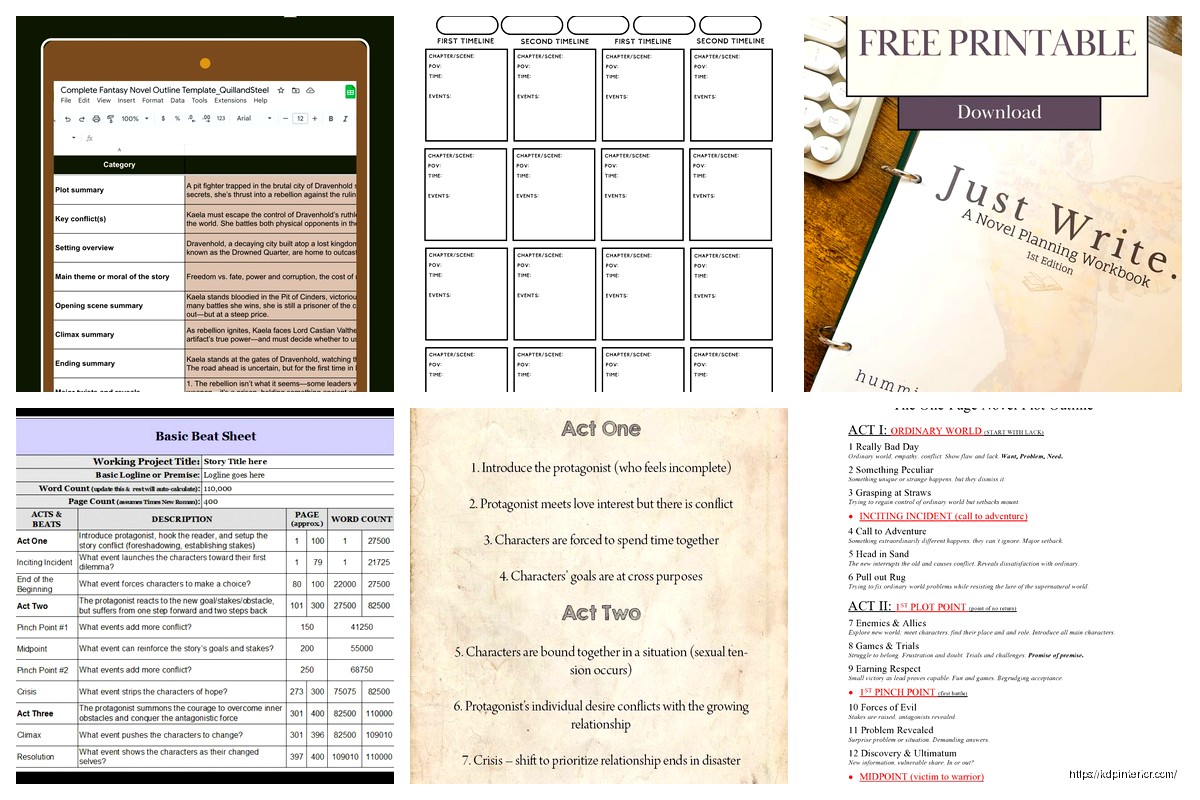
So once you have your skeleton you’re gonna build out scenes. I use a spreadsheet for this because I’m a nerd but you can use whatever. Each scene needs:
- Scene number
- POV character
- Location
- What happens (one sentence)
- Why it matters to the plot
The “why it matters” column is the one most people skip and it’s literally the most important one. If you can’t explain why a scene matters, cut it. Your readers won’t miss it and you’ll save yourself revision headaches later.
I learned this the hard way when I published my second thriller and got reviews saying the middle dragged. Went back and realized I had like 8 scenes that were just… there. They didn’t move anything forward. Cost me some rankings that month.
The Tent Pole Method
Okay so this is gonna sound weird but think of your outline like a tent. You need poles to hold it up, right? Those are your major plot points. Everything else hangs off them.
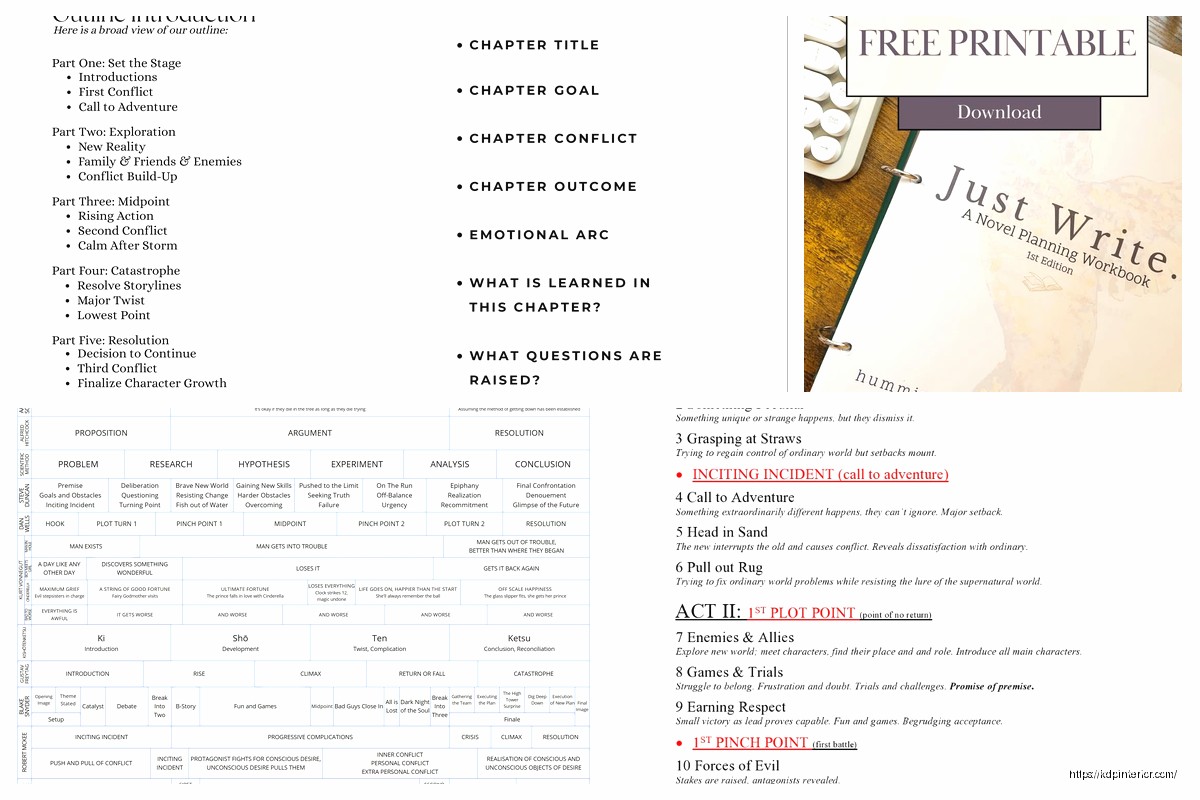
For a standard novel you want about 7-10 tent poles:
- Opening scene that shows the normal world
- Inciting incident (the thing that kicks off the story)
- First major decision/commitment
- Midpoint twist or revelation
- Everything falls apart moment
- Dark night of the soul
- Final confrontation setup
- Climax
- Resolution
You can add more or use fewer depending on your genre. Romance novels usually have specific beats that are different from thrillers or fantasy. But this framework works for like 90% of commercial fiction.
Chapter Planning vs Scene Planning
Here’s something nobody tells you – don’t plan by chapters initially. Plan by scenes. Chapters are just arbitrary breaks you add later for pacing.
I spent years trying to force scenes into chapter structures and it made everything harder. Now I outline all my scenes first, then I group them into chapters based on natural story beats and cliffhangers.
My cat just knocked over my coffee which is perfect timing because I need a refill anyway…
The One-Page Outline
Wait I forgot to mention this earlier but before you do the detailed scene breakdown, create a one-page outline. Literally one page. This is your north star when you’re writing and you get lost in the weeds.
Write it in present tense, keep it to about 500 words max. Just the major story beats. Pin it above your desk or keep it open in a tab. You’ll reference it constantly.
Mine looks something like: “Sarah discovers her husband is missing. She finds evidence he was investigating corruption at his company. She digs deeper despite warnings. Realizes the conspiracy goes higher than she thought. Her daughter gets threatened. She has to choose between exposing the truth and protecting her family. She finds a way to do both but loses her marriage in the process.”
That’s for a thriller I published last year that did pretty well. The actual outline was 30 pages but I could always come back to this paragraph when I got confused about what the story was really about.
Character Arcs Within Your Outline
So your plot outline is one thing but you gotta track character arcs separately. I use a different doc for this because mixing them gets messy.
For each major character write down:
- Who they are at the start (their beliefs, fears, strengths, weaknesses)
- What they need to learn or overcome
- Key moments where they change
- Who they are at the end
The character arc should mirror your plot structure. When your plot hits that midpoint twist, your character should also have a realization or change. When everything falls apart in the plot, your character should face their deepest fear or flaw.
This is where outlining gets fun honestly. You’re basically solving a puzzle – how do the external events force internal change?
Subplot Tracking
Oh and another thing – subplots. You need to track these in your outline or they’ll disappear for 100 pages and then suddenly reappear and readers will be like “wait who is this person again?”
I color-code subplots in my spreadsheet. Main plot is white, romance subplot is pink, mystery subplot is yellow, whatever. Then I can see at a glance if I’ve gone too long without touching a subplot thread.
Had a fantasy novel where I completely forgot about a secondary character for like 60 pages. Readers noticed. Not great.
Flexibility Within Structure
Here’s the thing though – your outline isn’t a prison. It’s a roadmap but you can take detours. Sometimes when you’re actually writing, better ideas emerge. That’s fine. That’s good actually.
I’d say I stick to about 70% of my original outline and change 30% as I write. The outline just makes sure I don’t write myself into a corner or forget what the story was supposed to be about.
The authors who struggle are the ones who either have NO outline and end up with a mess, or the ones who follow their outline so rigidly that the story feels mechanical. You gotta find the balance.
Genre-Specific Considerations
Different genres need different outline approaches. Romance has very specific beats – meet cute, first kiss, black moment, etc. If you’re writing romance you gotta hit those or readers will feel unsatisfied.
Thrillers need escalating tension with regular action beats. Fantasy needs world-building checkpoints where you reveal how magic or society works. Mystery needs clue placement and red herrings mapped out.
I published a cozy mystery last year and had to go back and add like 15 scenes to my outline because I realized I hadn’t planted enough clues. Would’ve been a disaster if I’d written the whole thing without outlining first.
The Discovery Writing Hybrid
Some people are discovery writers – they just start writing and see where it goes. That’s cool but it usually means way more revision. What I do now is a hybrid approach.
I outline the first act in detail, middle act with major beats only, and last act in detail. Then as I write the first act, I’m discovering details that help me flesh out the middle act outline. By the time I reach the midpoint, my outline for the second half is solid.
This gives you the structure you need but also room for discovery and creativity. Best of both worlds honestly.
Practical Tools and Templates
You asked about templates so here’s what I actually use. I have a Google Sheets template with tabs for:
- One-page overview
- Scene breakdown
- Character arcs
- Timeline (especially important for thrillers or anything where timing matters)
- Research notes
- Revision checklist
I sell a version of this template in my low-content catalog but honestly you can build your own in like an hour. The important thing isn’t the tool, it’s the process.
Some people love Scrivener, some use Notion, some use actual index cards on a cork board. Whatever works for your brain. I’m a spreadsheet guy because I like seeing everything in rows and being able to sort and filter.
Common Outlining Mistakes
Biggest mistake is outlining too much. You don’t need to know what color shirt your protagonist wears in scene 47. You need to know what happens and why it matters. Details come during the actual writing.
Second mistake is outlining too little. “Chapter 1: Beginning stuff. Chapter 2: Middle stuff. Chapter 3: End stuff” is not an outline, that’s wishful thinking.
Third mistake is not outlining the ending. So many authors are like “I’ll figure out the ending as I go” and then they write themselves into a corner and can’t figure out how to wrap it up. Outline your ending FIRST actually. Then you know where you’re going.
Testing Your Outline
Before you start writing, tell your outline to someone. Like literally say it out loud or type it in an email to a friend. If you can’t explain your story in a way that makes sense and sounds interesting, your outline needs work.
I do this with my wife who doesn’t even read my genre. If she’s confused or bored, I know I gotta rework something. She’s fallen asleep twice during my outline pitches which was… humbling. But those books would’ve bombed if I’d written them as outlined.
The outline phase is where you figure out if your story actually works. It’s way easier to fix plot holes and pacing issues in a 10-page outline than in a 80,000-word manuscript.
Anyway that’s basically my whole system. Start simple with the three core elements, build out your tent poles, break it into scenes, track character arcs and subplots, stay flexible. Don’t overthink it but don’t skip it either. The outline is what separates authors who finish books from authors who have 47 unfinished manuscripts on their hard drive.

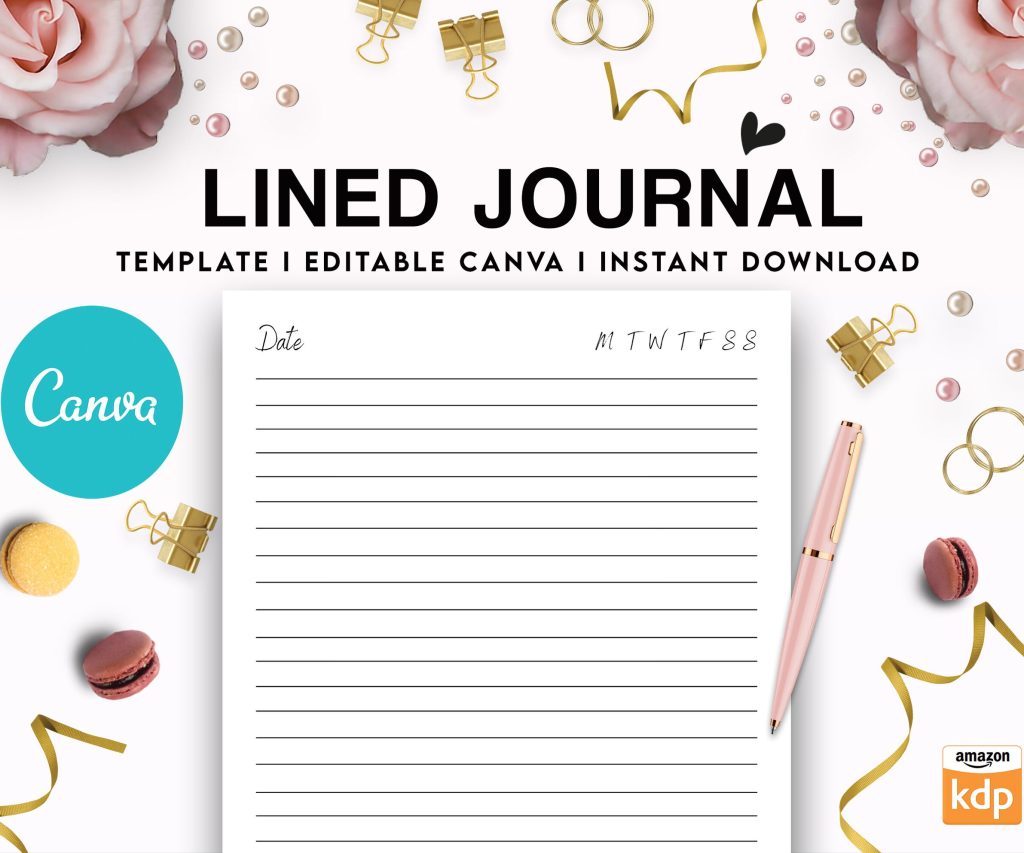 Editable Canva Lined Journal: Express Your Thoughts - KDP Template
1 × $0.00
Editable Canva Lined Journal: Express Your Thoughts - KDP Template
1 × $0.00 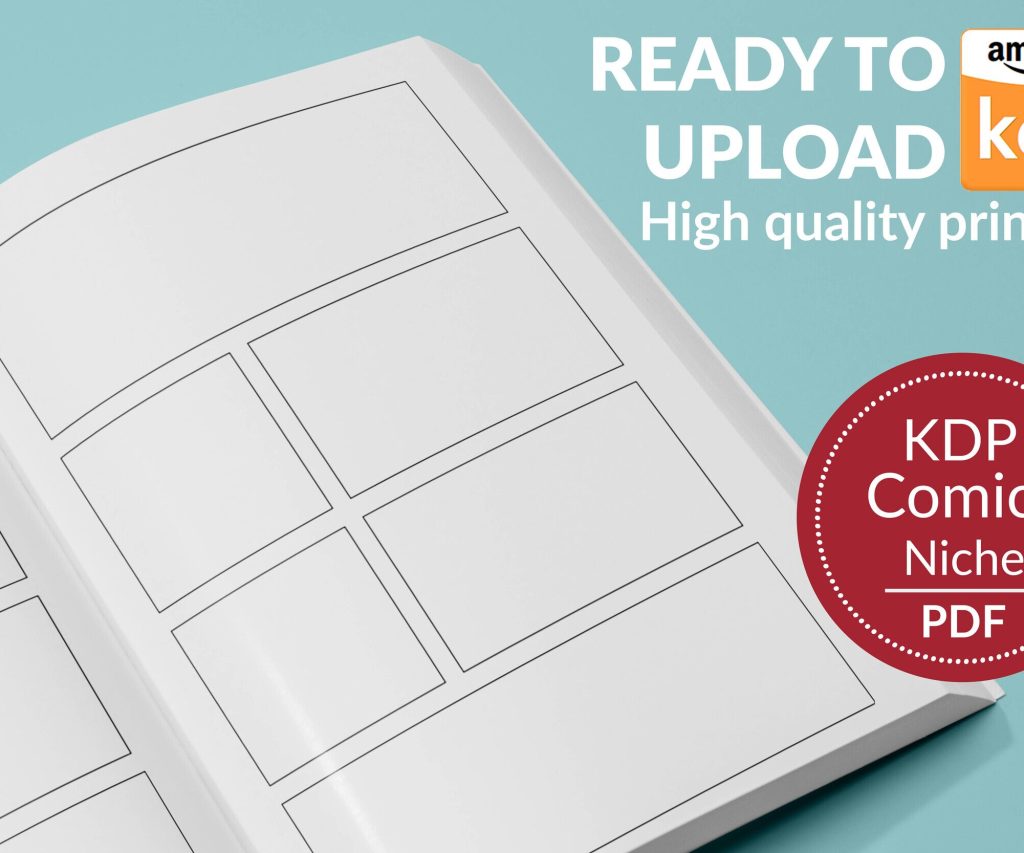 Printable Blank Comic Book Pages PDF : Create Your Own Comics - 3 Available Sizes
1 × $0.00
Printable Blank Comic Book Pages PDF : Create Your Own Comics - 3 Available Sizes
1 × $0.00 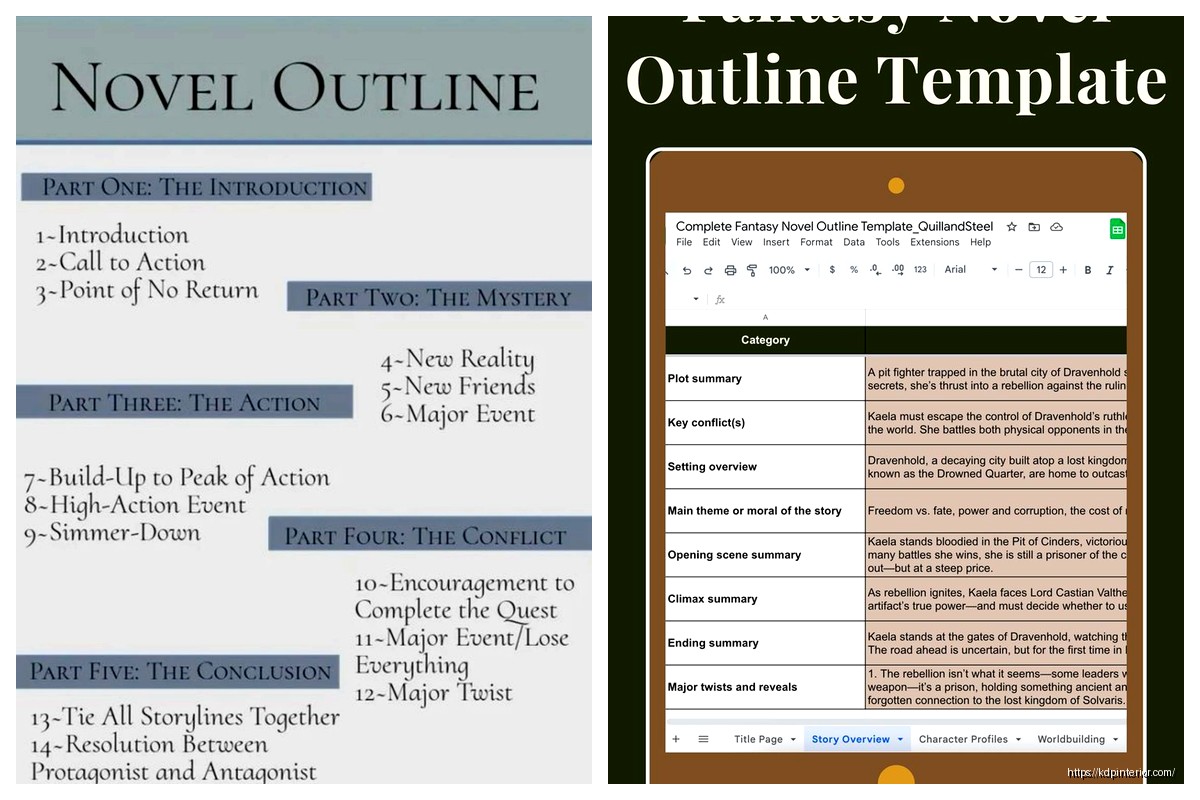
DISCOVER OUR FREE BEST SELLING PRODUCTS
Editable Canva Lined Journal: Express Your Thoughts – KDP Template
Lined Pages Journal 120 pages Ready to Upload PDF Commercial Use KDP Template 6×9 8.5×11 5×8 for Notebooks, Diaries, Low Content
Lined Pages Journal 120 pages Ready to Upload PDF Commercial Use KDP Template 6×9 8.5×11 5×8 for Notebooks, Diaries, Low Content
Cute Dogs Coloring Book for Kids | Activity Book | KDP Ready-To-Upload
Daily Planner Diary : Diary Planners for Everyday Productivity, 120 pages, 6×9 Size | Amazon KDP Interior
Wolf Coloring KDP interior For Adults, Used as Low Content Book, PDF Template Ready To Upload COMMERCIAL Use 8.5×11"
Coloring Animals Head Book for Kids, Perfect for ages 2-4, 4-8 | 8.5×11 PDF
Printable Blank Comic Book Pages PDF : Create Your Own Comics – 3 Available Sizes
Notes KDP interior Ready To Upload, Sizes 8.5×11 6×9 5×8 inch PDF FILE Used as Amazon KDP Paperback Low Content Book, journal, Notebook, Planner, COMMERCIAL Use
Black Lined Journal: 120 Pages of Black Lined Paper Perfect for Journaling, KDP Notebook Template – 6×9
Student Planner Journal 120 pages Ready to Upload PDF Commercial Use KDP Template 6×9" 8.5×11" for Low Content book
Recipe Journal Template – Editable Recipe Book Template, 120 Pages – Amazon KDP Interior