
-
×
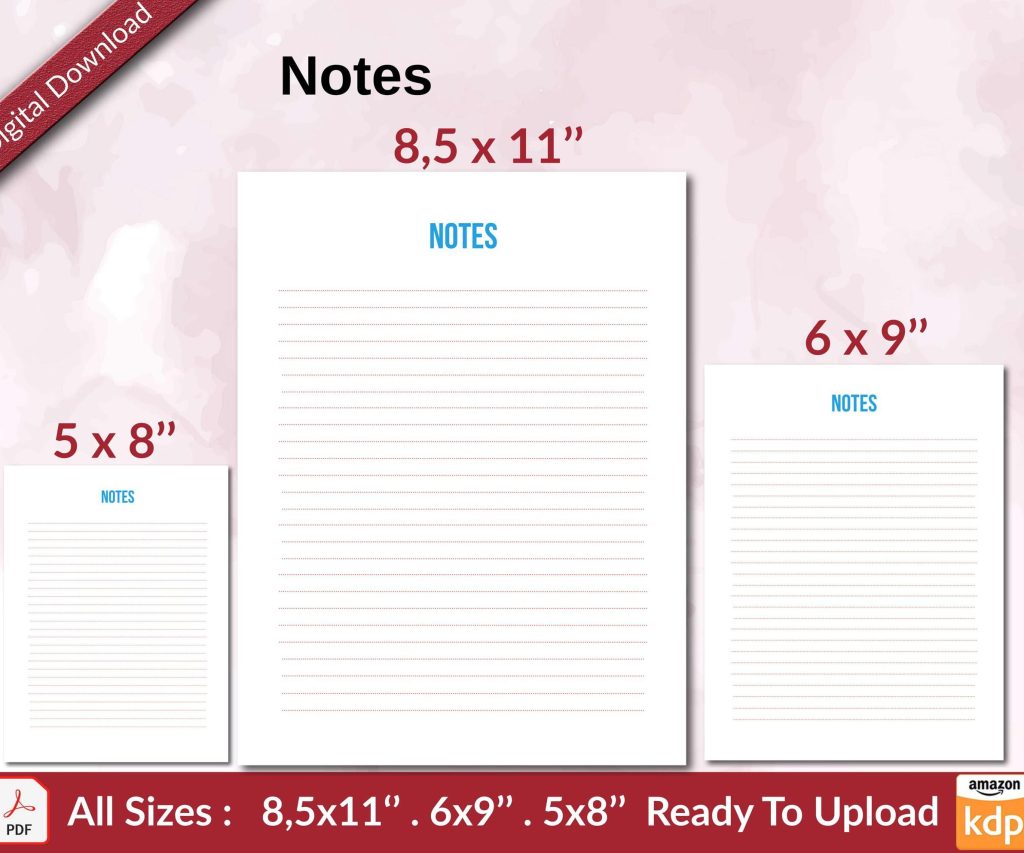 Notes KDP interior Ready To Upload, Sizes 8.5x11 6x9 5x8 inch PDF FILE Used as Amazon KDP Paperback Low Content Book, journal, Notebook, Planner, COMMERCIAL Use
1 × $0.00
Notes KDP interior Ready To Upload, Sizes 8.5x11 6x9 5x8 inch PDF FILE Used as Amazon KDP Paperback Low Content Book, journal, Notebook, Planner, COMMERCIAL Use
1 × $0.00
Subtotal: $0.00
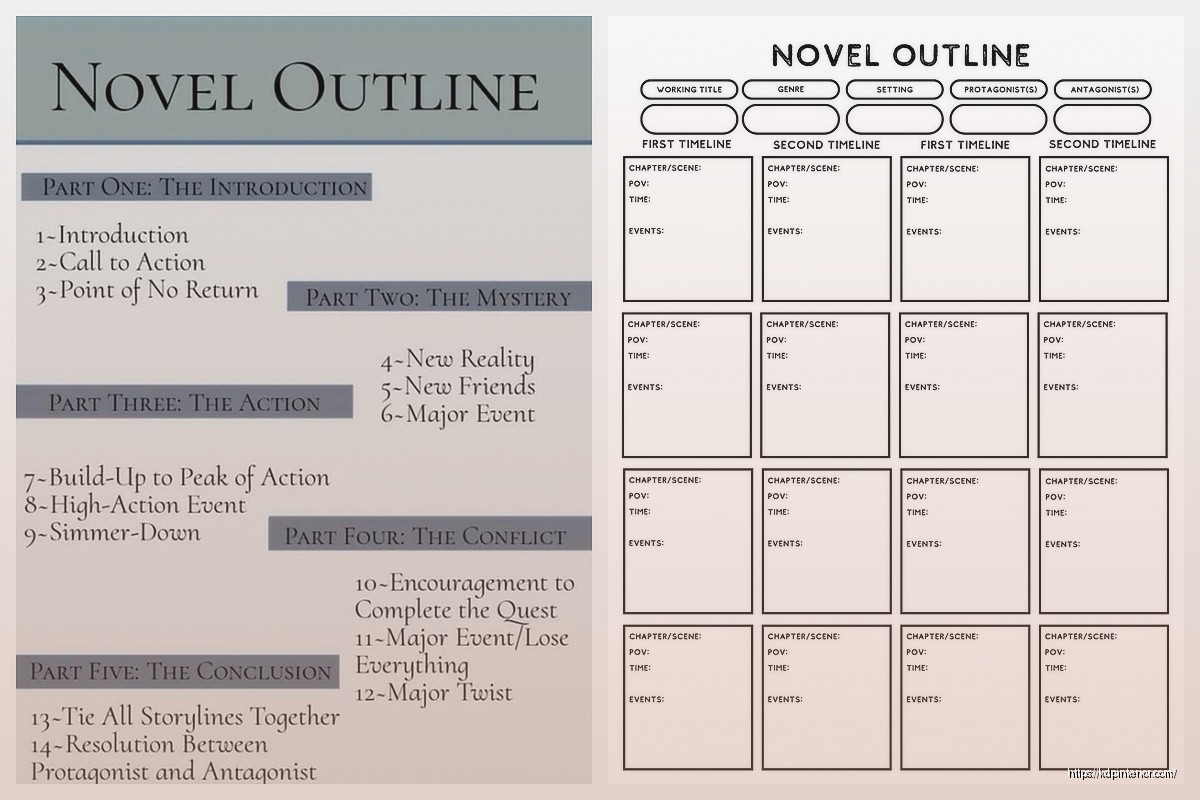
okay so I just spent like three hours last night reorganizing my plot templates because I had this thriller manuscript that completely fell apart at the 40k word mark and… yeah that’s when I realized most writers are using plot outlines totally wrong
here’s the thing about novel plot templates – they’re not supposed to be these rigid prison cells for your creativity but more like those ikea instruction sheets where you kinda follow them but also improvise when a piece doesn’t fit exactly right
so start with what I call the skeleton framework which is basically just three columns in a spreadsheet or even a google doc. Column one is “what happens” column two is “why it matters” and column three is “emotional beat” – that last one is the part everyone skips and then wonders why their beta readers say the pacing feels off
for the what happens part you’re literally just listing plot points but here’s where people mess up… they list like 47 plot points for a 70k word novel and then each scene is trying to accomplish too much. I learned this the hard way with a romance novel I was consulting on last year where the author had NINETY TWO scene cards and I was like dude this is gonna be a 200k word book if you write all this
aim for like 40-60 scenes max for a standard novel, maybe 30-40 if you’re writing something shorter
yeah yeah everyone talks about three act structure but lemme break down how I actually use it in my templates
Act One should be roughly 20-25% of your book and you need like maybe 10-12 major scenes here. Your job is basically:
but here’s what the templates don’t tell you – you gotta establish the RULES of your story world in act one. I was watching this show last night called The Diplomat and they do this perfectly where you immediately understand the stakes and constraints
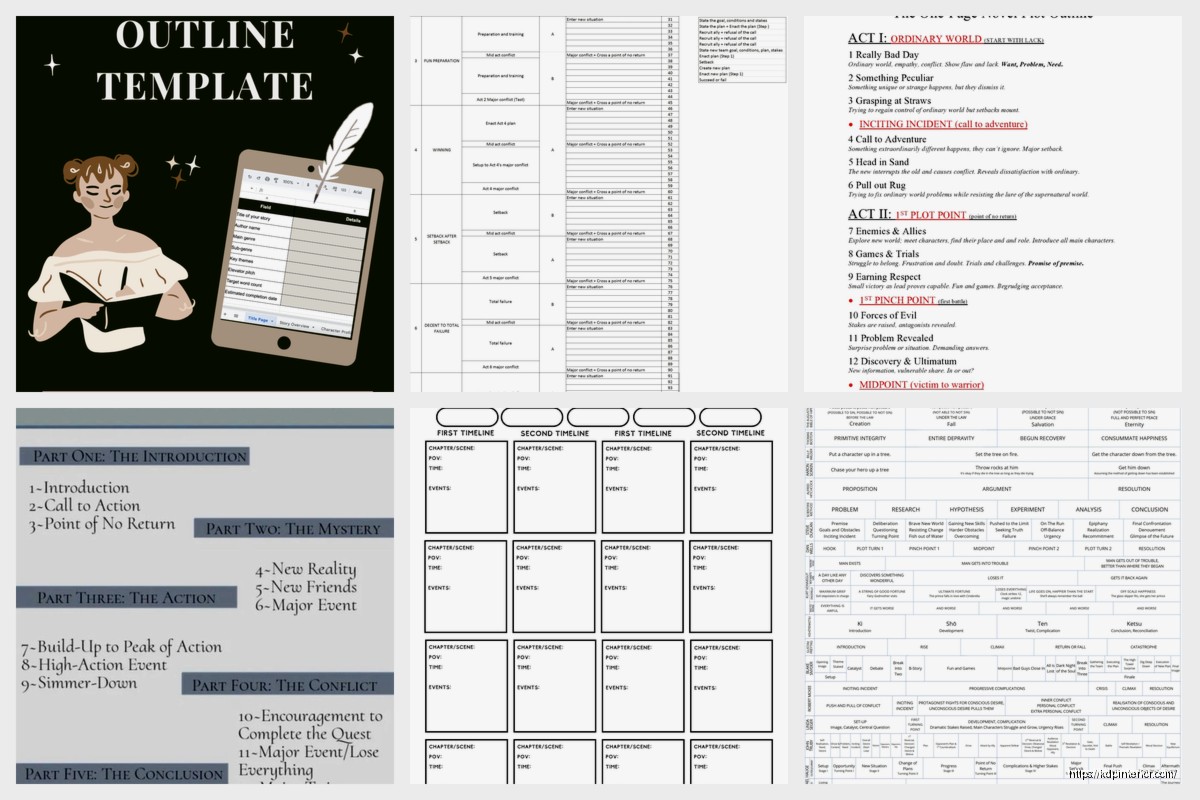
Act Two is like 50% of your book and honestly this is where most manuscripts I see just… wander around aimlessly. You need what I call “tentpole scenes” – maybe 5 or 6 BIG moments that you’re building toward, and then the scenes in between are either building up to those or dealing with consequences after
my template literally has a section that says “midpoint reversal – everything we thought we knew is wrong OR what we wanted becomes possible but at a cost we didn’t expect” because the midpoint is where you gotta shift something major
oh and another thing – act two needs rising tension which sounds obvious but you’d be surprised how many outlines I review where the stakes just… plateau. each scene should make things more complicated not less
this is gonna sound weird but the most useful thing I added to my templates is what I call “breather beats” – these are like mini-scenes or moments where you let characters (and readers) process what just happened
you can’t just go from explosion to car chase to betrayal to murder without giving people a second to feel something. my template has a column that asks “what does the protagonist think/feel about what just happened” and if I can’t answer that clearly then I know I’m moving too fast
I learned this from screwing up a mystery novel outline where literally every single scene was A CLUE or A SUSPECT and there was no space for the detective to actually be a human person who like… eats lunch or whatever
wait I forgot to mention earlier – your plot outline needs to track character development alongside external events otherwise you end up with what I call “stuff happens to a person” syndrome
in my template I have a separate row under each scene that asks “how does this scene change the protagonist internally” and if too many scenes in a row have the answer “it doesn’t” then those scenes probably need to be cut or combined
here’s a quick framework I use:
okay so funny story – I was outlining this fantasy novel for a client and we got to page 200 and realized two major characters had never actually interacted on page which made their climactic confrontation feel totally unearned
now my templates include a relationship matrix which sounds complicated but it’s just a simple grid where you track which characters have scenes together and what their dynamic is
you don’t need every character to interact with every other character but your protagonist should have meaningful scenes with each major secondary character, and those relationships should DEVELOP not just exist
main plot is usually pretty easy to outline – person wants thing, obstacles happen, resolution occurs. but subplots are where everything gets tangled
I use a color coding system in my spreadsheet templates (yeah I’m that person). Main plot is blue, romantic subplot is pink, internal character arc is yellow, secondary character subplot is green, etc
then when I look at my outline I can see visually if I’ve gone like 15 scenes without touching the romantic subplot or if the internal character arc disappears for the entire middle section
each subplot needs:
the thematic connection is key – if your subplot is just random stuff happening that could be cut without affecting anything else, it’s probably not pulling its weight
some people swear by detailed scene-by-scene outlines where you write like three paragraphs about what happens in each scene. other people prefer minimal bullet points
I’ve tried both and honestly what works best for me is this hybrid approach where I have:
this gives me enough structure to not get lost but enough flexibility to discover stuff while drafting. because here’s the truth – your outline WILL change once you start actually writing and that’s fine, that’s normal, that’s part of the process
wait this is something I literally just figured out like two months ago and it’s been a game changer
in your outline template add a column for estimated word count per scene. most scenes are gonna be 1500-3000 words depending on your genre and style. then add those up and see where you land
if your act one is coming out to 30k words for a 70k novel… you’ve got a pacing problem you can fix NOW instead of after you’ve written 30k words
I had my cat knock over my coffee while I was doing this for a sci-fi outline last week and I lost like an hour of work but whatever, the point is this simple math can save you so much revision time later
romance novels need specific beat sheets – meet cute, first kiss, black moment, grand gesture, etc. there are like a million versions of romance beat sheets online and they’re honestly pretty reliable
mystery/thriller needs clue placement tracked carefully. I add a column called “reader knowledge vs protagonist knowledge” because you gotta manage what information the reader has and when they get it
fantasy/sci-fi needs world building integration tracked so you’re not dumping all your cool magic system stuff in chapter one or hiding it all until chapter twenty
literary fiction cares less about plot points and more about emotional movements and thematic development so those templates look totally different – more focused on imagery patterns and symbolic moments
here’s the thing nobody tells you about outlines – they’re meant to be broken. I probably follow my outlines like 70% of the time because characters do unexpected things or better ideas emerge while drafting
but having that outline means when I deviate I’m making a CHOICE not just wandering around lost. there’s a difference between intentionally going off-road and not knowing where the road is
my template has a notes section for each scene where I jot down “alternative ideas” or “maybe this instead” so I don’t lose those random 2am thoughts but I also don’t have to commit to them immediately
once you’ve drafted your novel you can go back to your outline and mark which scenes accomplished what you intended vs which ones drifted. this becomes your revision roadmap
I use green highlight for “scene works as planned,” yellow for “scene needs tweaking,” and red for “scene is a disaster/missing entirely”
then revision is just systematically working through the yellow and red highlighted scenes instead of rereading your entire manuscript seventeen times trying to figure out what feels off
look I’m not saying templates are magic or that there’s one perfect way to outline. I’ve published over 200 books and consulted on probably 500+ more and the honest truth is every writer needs to frankenstein together their own system from pieces that work for them
but having SOME kind of roadmap before you write 80k words is just… it’s gonna save you so much time and frustration. even if you’re a discovery writer you can outline retroactively after your messy first draft to figure out what you actually wrote
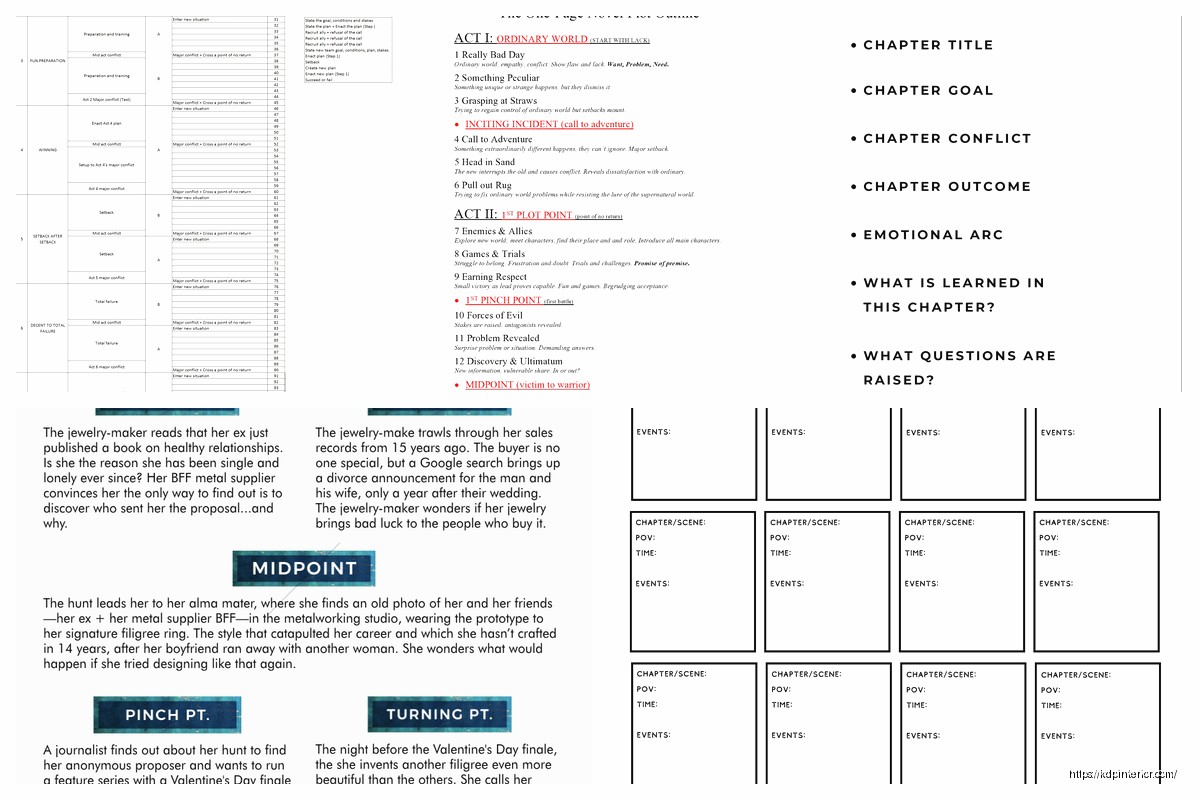
the template I use most is honestly pretty simple – it’s that spreadsheet thing I mentioned with scene number, POV, one-line description, scene goal/conflict/outcome, emotional beat, estimated word count, and notes. that’s it. that’s the whole thing. you could set it up in like ten minutes
anyway yeah that’s basically how I approach plot templates after doing this for seven years and making most of the possible mistakes already so you don’t have to
DISCOVER OUR FREE BEST SELLING PRODUCTS
Editable Canva Lined Journal: Express Your Thoughts – KDP Template
Lined Pages Journal 120 pages Ready to Upload PDF Commercial Use KDP Template 6×9 8.5×11 5×8 for Notebooks, Diaries, Low Content
Lined Pages Journal 120 pages Ready to Upload PDF Commercial Use KDP Template 6×9 8.5×11 5×8 for Notebooks, Diaries, Low Content
Cute Dogs Coloring Book for Kids | Activity Book | KDP Ready-To-Upload
Daily Planner Diary : Diary Planners for Everyday Productivity, 120 pages, 6×9 Size | Amazon KDP Interior
Wolf Coloring KDP interior For Adults, Used as Low Content Book, PDF Template Ready To Upload COMMERCIAL Use 8.5×11"
Coloring Animals Head Book for Kids, Perfect for ages 2-4, 4-8 | 8.5×11 PDF
Printable Blank Comic Book Pages PDF : Create Your Own Comics – 3 Available Sizes
Notes KDP interior Ready To Upload, Sizes 8.5×11 6×9 5×8 inch PDF FILE Used as Amazon KDP Paperback Low Content Book, journal, Notebook, Planner, COMMERCIAL Use
Black Lined Journal: 120 Pages of Black Lined Paper Perfect for Journaling, KDP Notebook Template – 6×9
Student Planner Journal 120 pages Ready to Upload PDF Commercial Use KDP Template 6×9" 8.5×11" for Low Content book
Recipe Journal Template – Editable Recipe Book Template, 120 Pages – Amazon KDP Interior