
 Editable Canva Lined Journal: Express Your Thoughts - KDP Template
 Subtotal: $0.00
Amazon KDP guide, KDP book publishing
Novel Review Format: Fiction Analysis Guide
12
Mar
Mar
Okay so here’s the thing about novel reviews – most people overthink them and end up with these generic “I liked this book” posts that don’t actually help anyone. I was literally up until 2am last week working on a review format for one of my clients who’s launching a fiction analysis blog, and I figured out what actually works.
The Basic Structure That Doesn’t Suck
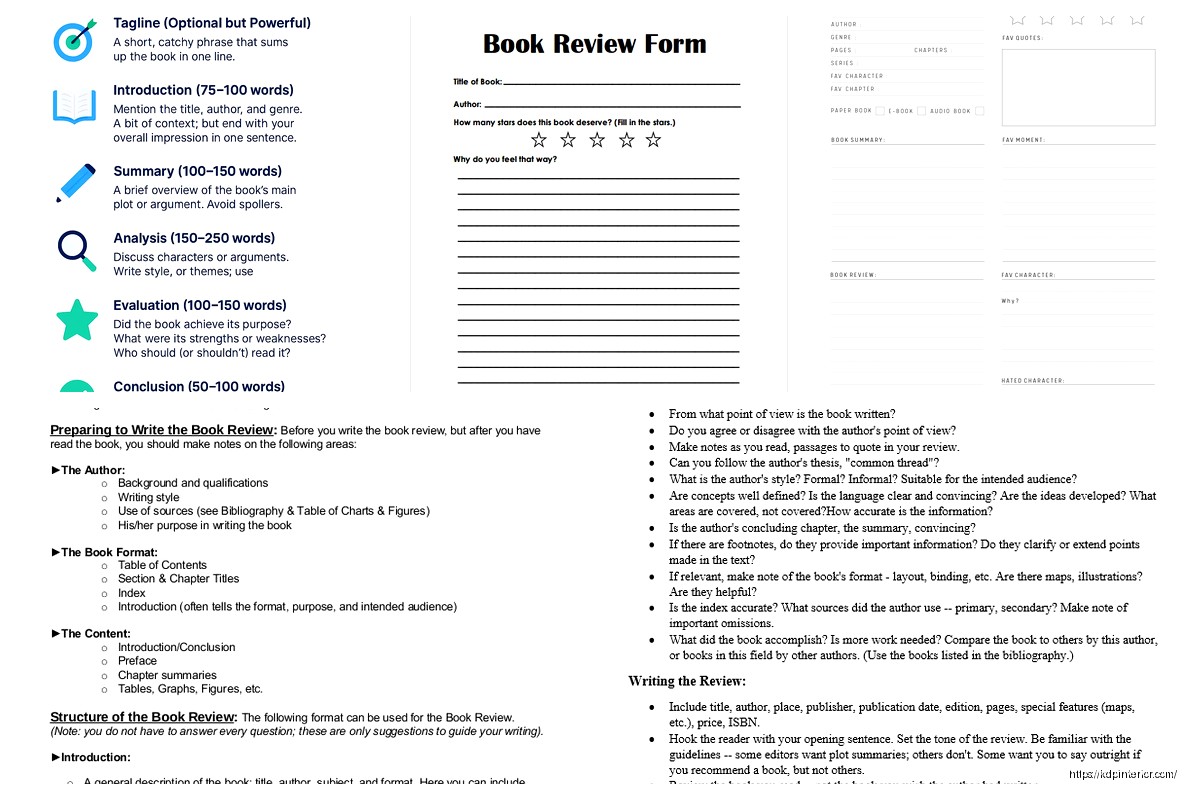
First off, you need like 5-6 main sections. Not because some writing teacher said so, but because that’s what keeps readers engaged AND gives search engines enough content to rank you. Here’s what I use:
- Opening hook (100-150 words)
- Plot overview without spoilers (200-250 words)
- Character analysis (300-400 words)
- Writing style breakdown (200-300 words)
- Themes and deeper stuff (250-350 words)
- Final verdict with rating (150-200 words)
The opening hook is where you gotta grab people immediately. Don’t start with “This book is about…” – literally no one cares yet. Start with WHY you picked it up or what surprised you. Like, “I almost DNF’d this at page 47 because the pacing felt off, but something made me push through and wow, glad I did.”
Plot Overview Without Being Boring
This part trips people up constantly. You want enough detail that someone knows what they’re getting into, but not so much that you spoil anything past maybe the first 20% of the book.
What I do is focus on the inciting incident and the main conflict setup. That’s it. If it’s a mystery, you describe the murder and the detective, not who did it. If it’s romance, you explain how they meet and what’s keeping them apart, not whether they end up together.
Oh and another thing – use the author’s genre conventions here. If you’re reviewing a thriller, your language should feel tense. If it’s cozy mystery, keep it lighter. This sounds obvious but I see people reviewing rom-coms in this super serious academic tone and it’s just… wrong.
I was watching Succession while working on this format stuff last month and realized good reviews are kinda like that show – you need to understand the power dynamics. What’s the book trying to DO, and does it succeed on its own terms?
The Spoiler Question
Real quick – never put spoilers in the main review body. If you absolutely need to discuss something spoilery, put it at the very end with a giant warning. Most of my reviews don’t include spoiler sections at all because honestly? They’re not necessary for a solid analysis.
Character Analysis Is Where You Actually Add Value
This is the section where you prove you actually read the book and thought about it. Don’t just list characters and describe them. Talk about their arcs, their motivations, whether they felt real or flat.
I break it down like this:
Protagonist deep-dive: What do they want vs what do they need? This is basic story structure stuff but it matters. A character wants to solve the murder (external goal) but needs to forgive themselves for past mistakes (internal need). Does the author handle both? Do they resolve by the end?
Supporting cast: Are they actual people or just plot devices? This is huge. In bad books, side characters only exist to move the protagonist’s story forward. In good books, they have their own shit going on.
Relationships: How do characters interact? Is the dialogue natural? Do relationships evolve or stay static?
Wait I forgot to mention – use specific examples from the text. Don’t say “the protagonist was well-developed.” Say “we see the protagonist’s growth in chapter 15 when she finally confronts her sister instead of avoiding conflict like she did throughout act one.” Specificity is everything.
Writing Style Breakdown
This section separates amateur reviews from professional ones. You’re analyzing HOW the author tells the story, not just what happens.
Look at:
- POV choice and whether it works (first person? third limited? multiple POVs?)
- Prose style (literary vs commercial, flowery vs sparse)
- Pacing and chapter structure
- Dialogue quality
- Descriptive passages – too much, too little, just right?
I’m gonna be real with you, this is where you can lose readers if you get too technical. Don’t write a college essay about narrative distance. Just explain in normal language whether the writing pulled you in or kept you at arm’s length.
Like, “The author uses really short chapters with cliffhanger endings, which kept me reading way past my bedtime. But sometimes the constant tension felt manipulative rather than earned.” That’s useful analysis without being pretentious.
The Prose Quality Thing
Okay so funny story – I reviewed a debut novel last year where the plot was incredible but the prose was… rough. Lots of filter words (he saw, she felt, they noticed), weak verbs, telling instead of showing. I had to figure out how to say this without being mean.
What worked: “The story hooked me immediately, though the writing itself could be tighter. There’s a tendency to tell us emotions rather than show them through action and dialogue. This is super common in debuts and didn’t ruin the experience, just something to note.”
That’s honest but not cruel. You’re helping potential readers set expectations while acknowledging the author’s strengths.
Themes and Deeper Analysis
This is where you get into what the book is REALLY about. Not the plot, but the underlying ideas and questions.
Every decent novel explores themes, even if the author didn’t consciously plan them. Your job is to identify and discuss them. Common themes in fiction:
- Identity and self-discovery
- Power and corruption
- Love and loss
- Family dynamics
- Social justice issues
- Coming of age
- Redemption and forgiveness
But don’t just list themes. Analyze how effectively the author explores them. Does the theme feel organic to the story or shoehorned in? Do characters embody different perspectives on the theme? Does the ending provide meaningful commentary or just surface-level resolution?
My cat literally just knocked over my coffee while I’m writing this, but anyway –
The key here is connecting themes to character arcs and plot developments. “The book explores generational trauma through the protagonist’s relationship with her mother, culminating in the confrontation scene in chapter 23 where both characters finally voice their hurt.” That’s the kind of analysis that makes readers go “oh damn, I didn’t even catch that.”
Rating Systems That Actually Make Sense
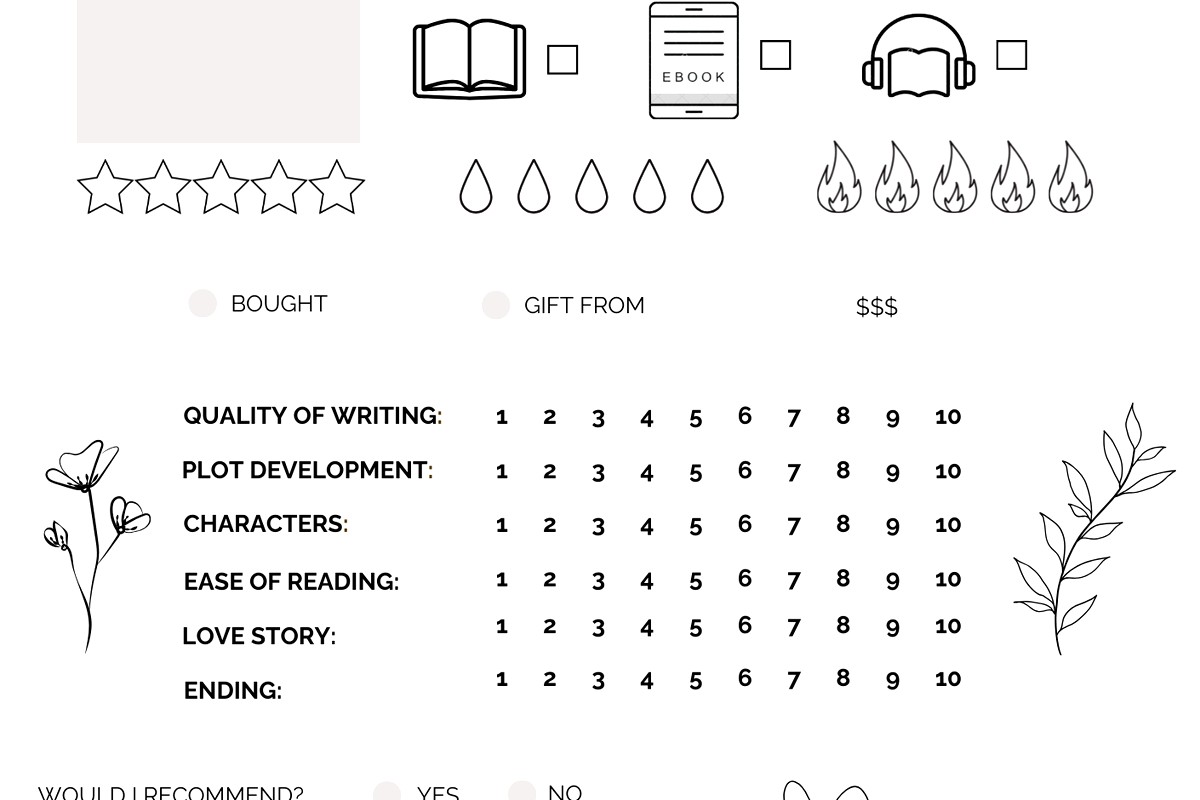
Okay so the final verdict section needs a clear rating. I use a 5-star system because it’s what everyone understands, but here’s my actual scale:
5 stars: Exceptional, will reread, recommending to everyone
4 stars: Really good, minor flaws, definitely recommend
3 stars: Solid, enjoyable but forgettable, recommend with caveats
2 stars: Significant issues, might work for some readers but not me
1 star: Did not work, cannot recommend
The important thing is being consistent with your ratings. Don’t give 5 stars to everything you liked – that makes your reviews meaningless. Save 5 stars for books that truly stood out.
The Recommendation Specificity
Always end with specific reader recommendations. “If you liked X book, you’ll love this” or “Perfect for readers who enjoy Y trope but want Z twist.” This helps people self-select and makes your review more useful.
I also include content warnings when relevant. Not to spoil anything, but to help readers avoid triggers. “Contains on-page depictions of violence and references to past abuse.” Simple, helpful, necessary.
Formatting For Readability
This is gonna sound weird but formatting matters as much as content. Break up paragraphs frequently. Use subheadings. Make it scannable.
People don’t read reviews linearly anymore – they jump around looking for specific information. Your formatting should accommodate this. I use:
- Bold text for book details (title, author, page count, genre)
- Subheadings for each major section
- Short paragraphs (3-5 sentences max)
- Bullet points for lists
- Pull quotes from the book to break up text
Oh wait, pull quotes – I should mention those. Including 2-3 short quotes from the book gives readers a taste of the author’s voice. Just make sure they’re representative and don’t spoil anything. I usually pull from the first quarter of the book.
Common Mistakes To Avoid
Real quick, here’s what tanks most novel reviews:
Too much summary, not enough analysis. Your review shouldn’t just be a book report. We can read the synopsis on Amazon for that.
Comparing everything to classics or bestsellers. “It’s like if Jane Austen wrote Game of Thrones” – these comparisons rarely work and often feel forced.
Letting personal preferences override objective quality assessment. You can hate romance novels but still recognize when one is well-written within its genre.
Being too nice or too harsh. Honesty matters, but so does fairness. Focus on craft and execution, not just whether you personally enjoyed it.
The Actually Helpful Part
Here’s my real process when I review a novel:
Take notes while reading. Just quick thoughts on phone – “chapter 7 pacing dragged,” “loved the dialogue here,” “this twist felt unearned.” These become the foundation of your review.
Let it sit for a day before writing. Your immediate reaction right after finishing isn’t always your final opinion. Sleep on it.
Draft the review in sections. I usually write the character analysis first because that’s easiest for me, then plot overview, then everything else. Don’t force yourself to write linearly.
Read it out loud before posting. If it sounds stiff or awkward when spoken, it’ll read that way too.
Check for spoilers. Seriously, read through one more time specifically looking for accidental spoilers. They sneak in so easily.
The whole process takes me about 2-3 hours for a thorough review, but I’ve been doing this for years. When you’re starting out, expect it to take longer. That’s fine. Quality over speed.
And honestly? The more reviews you write, the faster you’ll get at identifying what’s worth discussing and what’s not. You’ll develop your own voice and format preferences. This guide is just a starting point – adapt it to what works for you and your audience.
DISCOVER OUR FREE BEST SELLING PRODUCTS
Editable Canva Lined Journal: Express Your Thoughts – KDP Template
Lined Pages Journal 120 pages Ready to Upload PDF Commercial Use KDP Template 6×9 8.5×11 5×8 for Notebooks, Diaries, Low Content
Lined Pages Journal 120 pages Ready to Upload PDF Commercial Use KDP Template 6×9 8.5×11 5×8 for Notebooks, Diaries, Low Content
Cute Dogs Coloring Book for Kids | Activity Book | KDP Ready-To-Upload
Daily Planner Diary : Diary Planners for Everyday Productivity, 120 pages, 6×9 Size | Amazon KDP Interior
Wolf Coloring KDP interior For Adults, Used as Low Content Book, PDF Template Ready To Upload COMMERCIAL Use 8.5×11"
Coloring Animals Head Book for Kids, Perfect for ages 2-4, 4-8 | 8.5×11 PDF
Printable Blank Comic Book Pages PDF : Create Your Own Comics – 3 Available Sizes
Notes KDP interior Ready To Upload, Sizes 8.5×11 6×9 5×8 inch PDF FILE Used as Amazon KDP Paperback Low Content Book, journal, Notebook, Planner, COMMERCIAL Use
Black Lined Journal: 120 Pages of Black Lined Paper Perfect for Journaling, KDP Notebook Template – 6×9
Student Planner Journal 120 pages Ready to Upload PDF Commercial Use KDP Template 6×9" 8.5×11" for Low Content book
Recipe Journal Template – Editable Recipe Book Template, 120 Pages – Amazon KDP Interior