Okay so here’s the thing about book outlines – I was literally helping someone with this last Tuesday while my cat kept walking across my keyboard, and I realized most people overthink the hell out of it.
The Basic Framework That Actually Works
So you need a story outline example right? Let me show you what I use for fiction books because I’ve published like 47 romance novellas and probably 30-something thrillers at this point. The template I’m gonna share is basically what I used for a thriller that made me $8k in three months last year.
Start with these sections, nothing fancy:
- Story premise (one paragraph max)
- Main character arc
- Beginning setup (3-5 plot points)
- Middle complications (5-8 plot points)
- Climax and resolution (3-4 plot points)
- Subplots if you have them
That’s it. You don’t need 40 pages of worldbuilding or whatever those writing courses tell you.
Story Premise Section
This is literally 2-3 sentences max. I write something like: “Detective Maria Chen discovers her partner is selling evidence to a crime syndicate. She has 72 hours to expose him before he destroys her career and possibly kills her. Set in Seattle, contemporary thriller.”
That’s your north star. When you get lost in chapter 8 wondering why your character is doing something stupid, you come back to this.
Main Character Development
Okay so this part – you gotta know your protagonist’s deal before you start writing actual chapters. I use this format:
External goal: What do they want? (Maria wants to expose her corrupt partner)
Internal need: What do they actually need to grow as a person? (Maria needs to learn to trust her instincts instead of always following protocol)
Fatal flaw: What’s gonna make everything harder? (She’s too trusting of authority figures)
Character arc: Where do they start vs where do they end up? (Starts as by-the-book detective, ends as someone who knows rules sometimes need breaking)
I spent like three years not doing this character work upfront and wondering why my books felt flat. Then I started planning this stuff and boom – reviews started mentioning “great character development” and sales went up like 40%.
The Three Act Structure Breakdown
Wait I forgot to mention – you don’t have to use three act structure but honestly it’s the easiest for KDP books because readers expect certain beats at certain places. Fighting it just makes your life harder.
Beginning Setup (First 25% of Your Book)
This is roughly chapters 1-5 if you’re writing a 20 chapter book. Here’s what needs to happen:
- Introduce protagonist in their normal world
- Show what’s at stake for them personally
- Inciting incident that disrupts everything (usually around 10% mark)
- Initial resistance to the change/problem
- Acceptance and first attempt at solving the problem (end of Act 1)
Real example from that thriller I mentioned: Chapter 1 shows Maria at her daughter’s soccer game being a normal mom. Chapter 2 she’s at work, trusted partnership with her partner Jake. Chapter 3 she accidentally sees evidence room footage showing Jake pocketing a key piece of evidence. Chapter 4 she confronts him privately, he lies convincingly. Chapter 5 she finds proof he’s definitely dirty, decides she has to investigate.
See how that flows? Each plot point pushes into the next one naturally.
Middle Complications (Next 50% of Your Book)
This is the hard part where most people get stuck. I was watching this documentary about heist planning last month and realized story middles work exactly like… okay that’s gonna sound weird but hear me out. You need escalating obstacles where the character tries different approaches and fails in increasingly costly ways.
Your middle section needs:
- First attempt at solving the problem (fails but teaches something)
- Relationship complications (people don’t believe protagonist, or allies become enemies)
- Midpoint twist (around 50% – something big changes the game)
- Things get worse, stakes increase
- False victory or false defeat
- Everything falls apart (lowest point, usually around 75%)
For Maria’s story: She tries gathering evidence alone (fails, Jake notices). She tells her captain (captain doesn’t believe her, threatens her career). Midpoint twist – she discovers Jake isn’t working alone, there’s a whole network. She partners with an FBI agent (they find good evidence). Jake figures out what she’s doing and plants evidence making HER look corrupt. She’s suspended, loses custody of her daughter temporarily, FBI agent gets pulled off the case.
That’s your middle. It’s basically “and then things got worse” about six times.
Climax and Resolution (Final 25%)
Okay so funny story – I used to rush this part because I was tired of the book by the end. My reviews would say stuff like “great setup but rushed ending.” Don’t do that. Your climax section needs proper planning:
- Protagonist finds inner strength or learns the lesson they needed
- Final confrontation setup
- Climax scene (the big showdown)
- Immediate aftermath
- Resolution showing new normal
Maria realizes she has to break protocol completely to win. She sets up a sting operation outside official channels using Jake’s own methods against him. Big confrontation in a warehouse (yeah yeah, cliche, but it sold). Jake gets arrested, but so does the captain who was protecting him. Maria gets her daughter back, gets promoted, but now she’s changed – she’s not the naive rule-follower anymore.
Subplot Planning
Oh and another thing – subplots are what make your book feel rich instead of thin. But you gotta plan them or they just dangle there unresolved.
I usually have 2-3 subplots max:
Romantic subplot: Maria has a will-they-won’t-they thing with the FBI agent. It parallels the main plot – she has to learn to trust him just like she has to trust herself.
Family subplot: Her relationship with her daughter. Shows what she’s risking by pursuing this case.
Personal growth subplot: Her journey from rigid rule-follower to someone who understands nuance.
Each subplot needs its own mini arc with beginning, middle, and end. They should resolve by the time your main plot resolves, or readers feel cheated.
Scene-by-Scene Breakdown Method
This is gonna sound excessive but it’s actually a time-saver. Once I have my major plot points, I break each one into actual scenes. A scene is basically: character wants something, obstacle prevents it, outcome changes the situation.
I use a simple spreadsheet:
- Scene number
- POV character
- Goal of scene
- Conflict/obstacle
- Outcome
- Emotional shift
Example scene from the middle section:
Scene 23 – Maria POV – Goal: Get Jake’s phone records from the precinct IT department – Conflict: IT guy is loyal to Jake, won’t help – Outcome: Maria fails but learns IT guy is scared of Jake, not loyal – Emotional shift: Maria realizes how deep Jake’s corruption goes, feels more isolated
Takes me like 2 hours to map out 60-80 scenes this way, but then writing is SO much faster because I’m never staring at a blank page wondering what happens next.
Chapter Planning vs Scene Planning
Wait I should clarify – scenes and chapters aren’t the same thing. A chapter might have 2-4 scenes usually. I group scenes into chapters based on natural breaks in action or when the POV shifts if I’m doing multiple POV.
For KDP books I aim for chapters between 2000-3500 words. Shorter for thrillers and romance, longer for literary fiction or fantasy. Readers on Kindle tend to prefer shorter chapters they can read in one sitting.
The Outline Format I Actually Use
Okay so in practice, my outline document looks messy as hell but it works. It’s like:
Story Premise
[2-3 sentences]
Character Profiles
[Main character breakdown]
[2-3 supporting characters with goals and secrets]
Act 1 – Setup
Scene 1: [description]
Scene 2: [description]
[etc through scene 15 or whatever]
End of Act 1 turning point: [specific description]
Act 2 – Complications
[Scenes mapped out]
Midpoint: [specific twist description]
[More scenes]
Low point: [specific description]
Act 3 – Resolution
[Final scenes mapped]
Climax: [detailed description]
Resolution: [how things end]
Subplots
Romance arc: [key beats]
Family arc: [key beats]
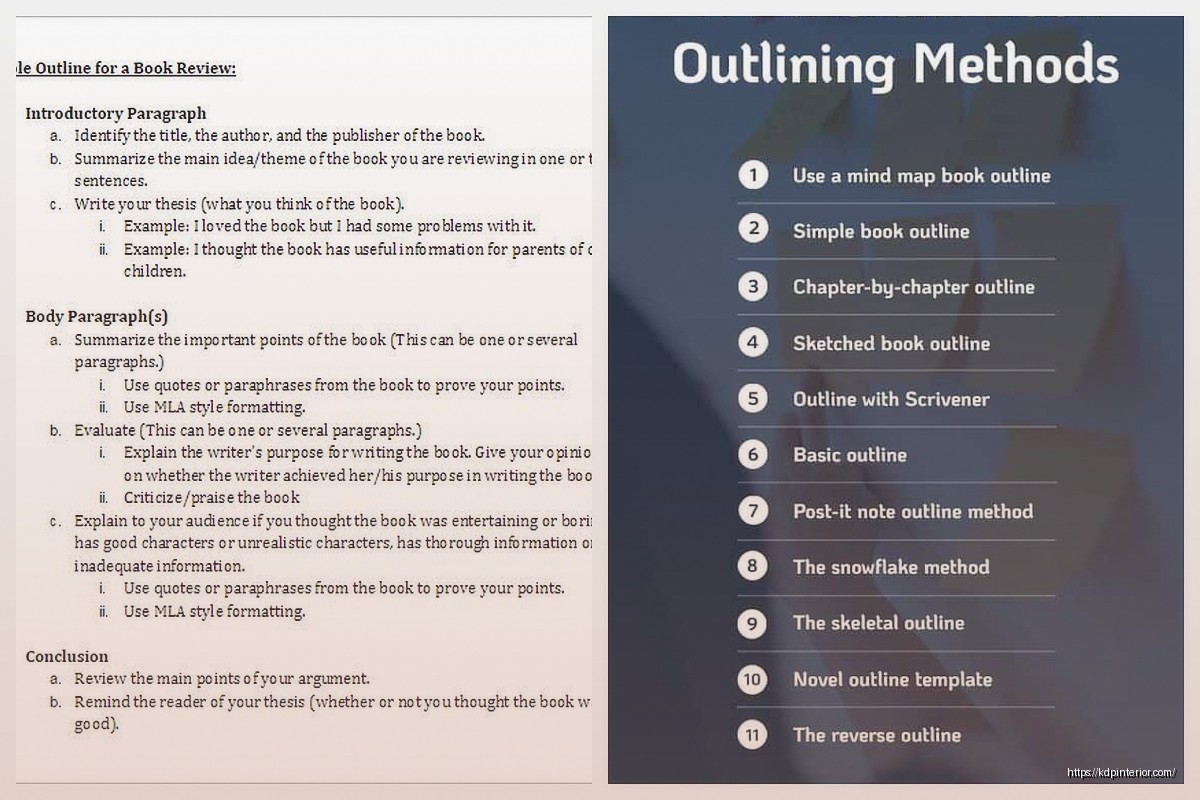
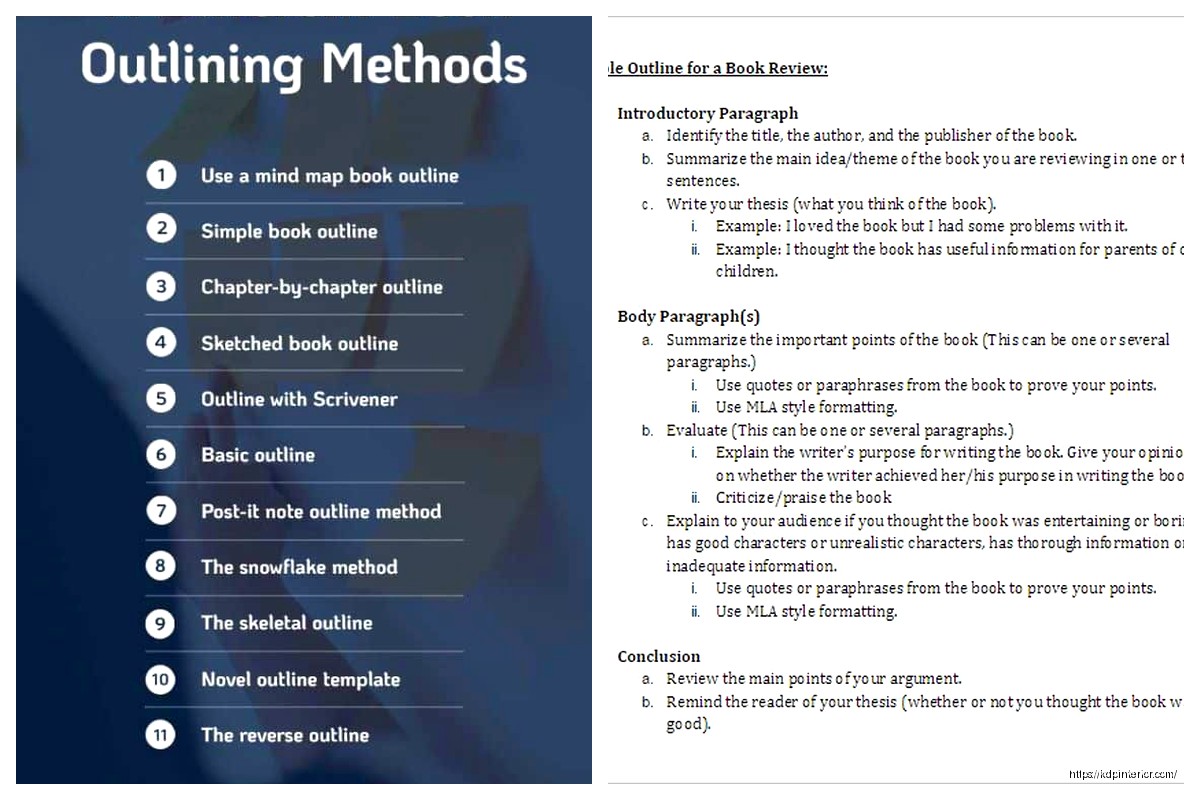
That’s literally it. Some people use Scrivener or fancy software but I just use Google Docs because it’s accessible everywhere and doesn’t crash.
How Detailed Should You Actually Get
This depends on how you write. I know pantsers who hate outlines, and that’s fine if it works for them. But for KDP publishing where you’re trying to produce consistently, outlines save your ass.
My outlines are usually 3000-5000 words for a 50,000 word novel. Detailed enough that I know what happens, loose enough that I can adjust if characters do something unexpected while writing.
Some people write one-sentence descriptions per scene. Some write full paragraph summaries. Find what works for you but make sure you at least know your major plot turns before you start writing chapter one.
Common Mistakes I See All the Time
Okay so people send me their outlines for feedback sometimes and here’s what usually goes wrong:
Too much backstory in the outline. Your outline isn’t the place for every detail of your character’s childhood. Just the relevant stuff.
No clear stakes. I need to know what happens if your protagonist fails. If there’s no real consequence, there’s no tension.
Saggy middle syndrome. The middle section just says “stuff happens” or has three plot points for 50% of the book. You need more structure there.
Subplots that don’t connect. Every subplot should somehow relate to or comment on your main theme.
Unclear character motivation. If you don’t know WHY your character is doing something, neither will your readers.
Testing Your Outline Before Writing
Here’s something I learned after publishing like 30 books that didn’t sell well – test your outline against successful books in your genre. Not to copy, but to see if you’re hitting the expected beats.
Take three bestselling books similar to yours. Map out their major plot points. See where things happen percentage-wise through the book. You’ll notice patterns. Romance has a forced proximity moment around 30%, a breakup around 75%. Thrillers have a major twist at 50%, everything falls apart at 70%.
Your outline should hit similar beats or readers will feel like something’s off even if they can’t articulate why.
When to Deviate from Your Outline
This is gonna sound contradictory after I just spent 2000 words telling you to outline, but… sometimes you gotta abandon the plan. If you’re writing chapter 12 and your character does something that makes way more sense than what you outlined, follow that instinct. Just make sure you then adjust the rest of your outline to account for the change.
I’d say I stick to about 80% of my original outline and adjust 20% while writing. The outline is a roadmap, not a prison sentence.
Alright that’s basically how I approach story planning. It’s not perfect but it’s gotten me through 200+ books so it works well enough. The key is just having enough structure that you don’t get stuck, but enough flexibility that the story can breathe.

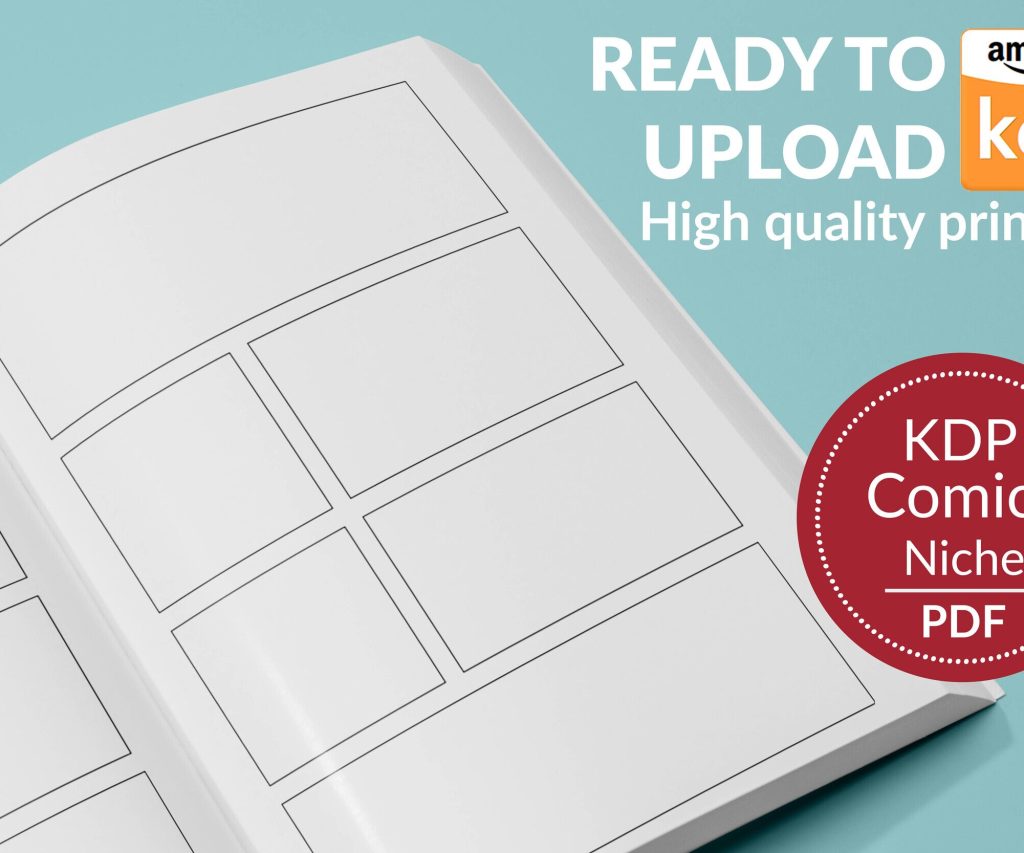 Printable Blank Comic Book Pages PDF : Create Your Own Comics - 3 Available Sizes
1 × $0.00
Printable Blank Comic Book Pages PDF : Create Your Own Comics - 3 Available Sizes
1 × $0.00 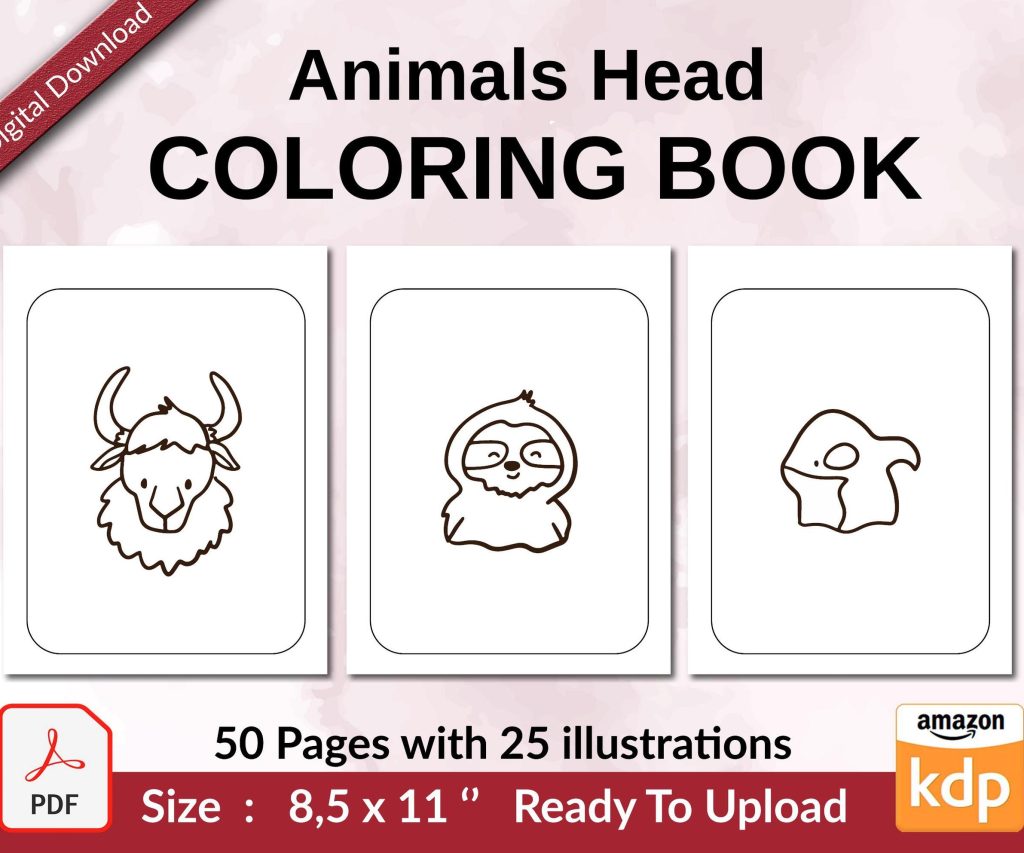 Coloring Animals Head Book for Kids, Perfect for ages 2-4, 4-8 | 8.5x11 PDF
1 × $0.00
Coloring Animals Head Book for Kids, Perfect for ages 2-4, 4-8 | 8.5x11 PDF
1 × $0.00 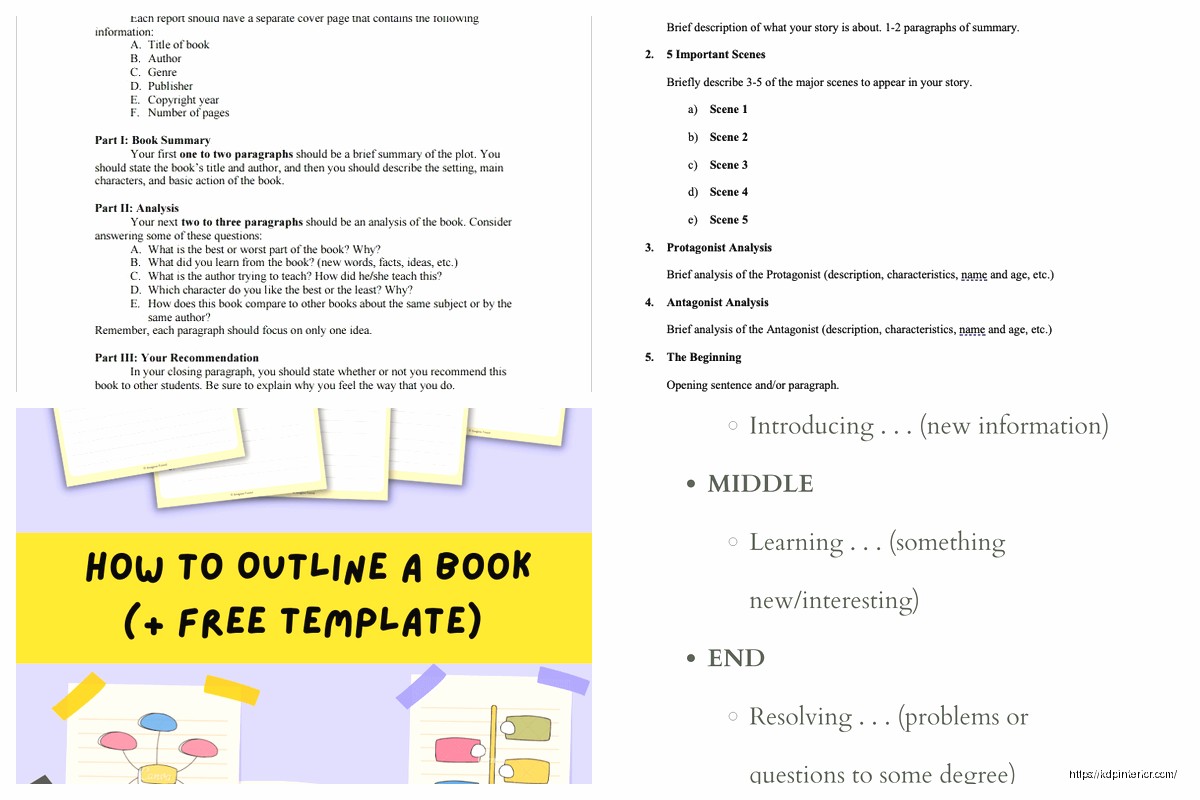
DISCOVER OUR FREE BEST SELLING PRODUCTS
Editable Canva Lined Journal: Express Your Thoughts – KDP Template
Lined Pages Journal 120 pages Ready to Upload PDF Commercial Use KDP Template 6×9 8.5×11 5×8 for Notebooks, Diaries, Low Content
Lined Pages Journal 120 pages Ready to Upload PDF Commercial Use KDP Template 6×9 8.5×11 5×8 for Notebooks, Diaries, Low Content
Cute Dogs Coloring Book for Kids | Activity Book | KDP Ready-To-Upload
Daily Planner Diary : Diary Planners for Everyday Productivity, 120 pages, 6×9 Size | Amazon KDP Interior
Wolf Coloring KDP interior For Adults, Used as Low Content Book, PDF Template Ready To Upload COMMERCIAL Use 8.5×11"
Coloring Animals Head Book for Kids, Perfect for ages 2-4, 4-8 | 8.5×11 PDF
Printable Blank Comic Book Pages PDF : Create Your Own Comics – 3 Available Sizes
Notes KDP interior Ready To Upload, Sizes 8.5×11 6×9 5×8 inch PDF FILE Used as Amazon KDP Paperback Low Content Book, journal, Notebook, Planner, COMMERCIAL Use
Black Lined Journal: 120 Pages of Black Lined Paper Perfect for Journaling, KDP Notebook Template – 6×9
Student Planner Journal 120 pages Ready to Upload PDF Commercial Use KDP Template 6×9" 8.5×11" for Low Content book
Recipe Journal Template – Editable Recipe Book Template, 120 Pages – Amazon KDP Interior