Okay so here’s the deal with author bios – I was literally rewriting mine last Tuesday at like 11pm because someone pointed out mine was way too stiff and formal, and I realized I’d been telling everyone else to write better bios while mine sucked.
The Basic Formula That Actually Works
The thing nobody tells you is that author bios follow this weird formula that changes depending on where you’re putting them. Your Amazon author page bio? Totally different from your book’s “About the Author” section. And both are different from what you’d put on a website or in a pitch email.
For Amazon specifically – and this is where most of my income comes from so I’ve tested this a lot – you want 150-300 words max. Anything longer and people just skim past it. I learned this the hard way after writing a 600-word bio that I thought was super impressive with all my credentials, and my conversion rate actually went DOWN.
What Goes in First
Start with what you write or what you’re known for. Not your life story, not where you were born. Just jump straight into: “Daniel Harper helps self-publishers navigate Amazon KDP without losing their minds” or whatever your thing is.
I see so many authors start with “Born in a small town…” and honestly? Nobody cares until they already like your work. Lead with the value you provide or the genres you write in.
For Fiction Authors
If you write fiction, mention your genre right away. Like:
Sarah Chen writes psychological thrillers that mess with your head. Her debut novel hit #1 in its category, and she’s currently working on her fourth book while drinking way too much coffee in Seattle.
See how that works? Genre, credibility marker, personal detail. Done.
For Non-Fiction
Non-fiction is different because people actually care about credentials. They wanna know why they should listen to you. So you flip it:
Marcus Rodriguez spent 15 years as a financial advisor before realizing most money advice is garbage. He’s helped over 2,000 clients build actual wealth, and now he writes books that cut through the BS.
The formula there is: experience, proof, current mission.
Real Examples That Converted Well
Let me show you some actual bios I’ve either written or helped clients with that performed well – meaning they correlated with better sales, though obviously bios aren’t the only factor.
Tom McKenzie creates low-content books that actually sell. After three years of trial and error (and a lot of rejected designs), he figured out what works on Amazon KDP. Now he runs a six-figure publishing business and teaches others to do the same. When he’s not designing planners, he’s probably hiking with his dog or pretending to understand cryptocurrency.
That last sentence? That’s the personality bit. You gotta have something human in there or you sound like a corporate press release.
Another One for Memoir Writers
Jessica Tam didn’t set out to write a memoir – she just started documenting her mother’s battle with dementia and couldn’t stop. Her writing has appeared in places she’s still surprised published her, and she’s currently working on her second book while teaching high school English in Portland.
Short, personal, establishes credibility without being braggy.
The Mistakes Everyone Makes
Okay so this is gonna sound harsh but I see these constantly:
Being too humble. “I’m just a writer trying to share stories” – nobody cares. You need to own what you do. You’re not “just” anything.
Listing every single thing you’ve ever done. Your bio isn’t a resume. I had a client who listed all 47 of her published short stories and wondered why people weren’t connecting with her brand. We cut it down to “over 40 published stories” and focused on her current project instead.
Third person when you’re self-published. This is controversial but hear me out – unless you’re traditionally published or have a publicist writing your materials, first person feels more authentic. “I write books about…” vs “She writes books about…” The third person thing makes sense for traditional pub because someone else IS writing about you. For self-pub, it just feels pretentious.
No personality whatsoever. Your bio can’t just be facts. It needs voice. The same voice as your books ideally.
Different Lengths for Different Places
Wait I forgot to mention this earlier – you actually need like three versions of your bio.
The 50-Word Version
For contributor bios, guest posts, really tight spaces:
Daniel Harper is an Amazon KDP consultant who’s published over 200 titles and generated six figures in royalties. He helps authors actually make money from self-publishing instead of just collecting rejection letters.
That’s 36 words. Bare essentials only.
The 150-Word Version
This is your main Amazon author page bio:
Daniel Harper has been self-publishing on Amazon KDP for seven years and has made every mistake possible – so you don’t have to. After publishing over 200 low-content books and ebooks, he’s figured out what actually works versus what gurus sell you in $997 courses.
His books have generated between $5k-$30k monthly, and he’s helped hundreds of authors build sustainable publishing businesses. He specializes in low-content books, keyword research that doesn’t suck, and teaching people to ignore 90% of the advice on YouTube.
When he’s not optimizing book listings, he’s probably testing new niches, arguing with his cat about whether she really needs a fifth meal, or rewatching The Office for the hundredth time.
See how there’s room for personality AND credentials?
The 300-Word Version
For your website or more detailed author pages, you can expand:
Add origin story, more specific achievements, maybe what you’re working on currently, links to other projects.
The Credibility Problem When You’re Starting
Okay so funny story – when I published my first book, I had literally nothing to put in my bio. No bestseller status, no massive following, no press mentions. And I spiraled for like two days trying to figure out what to write.
Here’s what you do when you have no traditional credentials:
Focus on why you’re qualified to write THIS book. Not your whole life, just this specific topic. “After spending three years figuring out dropshipping, I wrote the book I wish I’d had when starting out.”
Use your unique angle. “Most productivity books are written by people who’ve never had ADHD. This one isn’t.”
Be honest about being new. “This is my first published book, but I’ve been researching medieval history for fifteen years because I’m apparently fun at parties.”
The self-deprecating humor works when you’re new. It’s disarming.
Adding Numbers and Specifics
This is something I didn’t figure out until year three – specific numbers convert better than vague claims.
Instead of: “I’ve helped many authors succeed”
Write: “I’ve consulted with over 150 authors”
Instead of: “My books have sold well”
Write: “My books have generated over $200k in royalties” (if true, obviously)
Instead of: “I’ve been writing for years”
Write: “I’ve published 47 books in the last 18 months”
Numbers feel real. Adjectives feel like marketing fluff.
What About Social Proof
If you’ve got testimonials, awards, or media mentions, you gotta decide how to work them in without sounding like you’re bragging. This is actually really hard to balance.
Good way: “Her work has been featured in places like Forbes and Entrepreneur, which still surprises her every time.”
Bad way: “An award-winning, internationally acclaimed, bestselling author whose groundbreaking work has been featured in…”
The second one reads like you wrote it yourself while staring at your own reflection. The first one acknowledges the achievement while staying humble.
Updating Your Bio Regularly
I’m terrible at this but you’re supposed to update your bio every time something significant changes. New book release? Update it. Hit a milestone? Update it. Changed your focus? Update it.
I still have bios floating around the internet from 2019 that mention books I don’t even sell anymore. Don’t be like me.
The Call to Action Part
Some people end their bios with “Connect with me at…” or “Find out more at…” and I’m honestly mixed on this. On Amazon, it doesn’t matter as much because there’s already a follow button. But on your website or in guest posts? Yeah, tell people where to find you.
Just don’t make it desperate. “I’d love to connect” feels better than “Follow me on all platforms and subscribe to my newsletter and buy my books and…”
Platform Links
If you’re gonna link to social media, pick one or two platforms you actually use. Don’t list seven different social networks where you posted once in 2020 and never again. I see this constantly and it just makes you look inactive.
Testing What Works
Last thing – and this matters way more than people think – you gotta test different versions. I’ve A/B tested bios by changing them every few months and tracking whether my conversion rate changes. It’s not scientific because there are too many variables, but you can get a sense of what resonates.
The bio I’m using now is actually my third major revision, and it performs way better than my original “professional consultant” version. Turns out people respond better to “I’ve made every mistake so you don’t have to” than “expert strategist with proven methodologies.”
Who knew, right? Except probably everyone who’s been doing this longer than me, but whatever.
The main thing is just write something authentic that you don’t cringe at when rereading it six months later. If it sounds like you’re trying too hard to impress people or like you hired a corporate copywriter, start over. Your bio should sound like you actually wrote it, not like it came from a template.

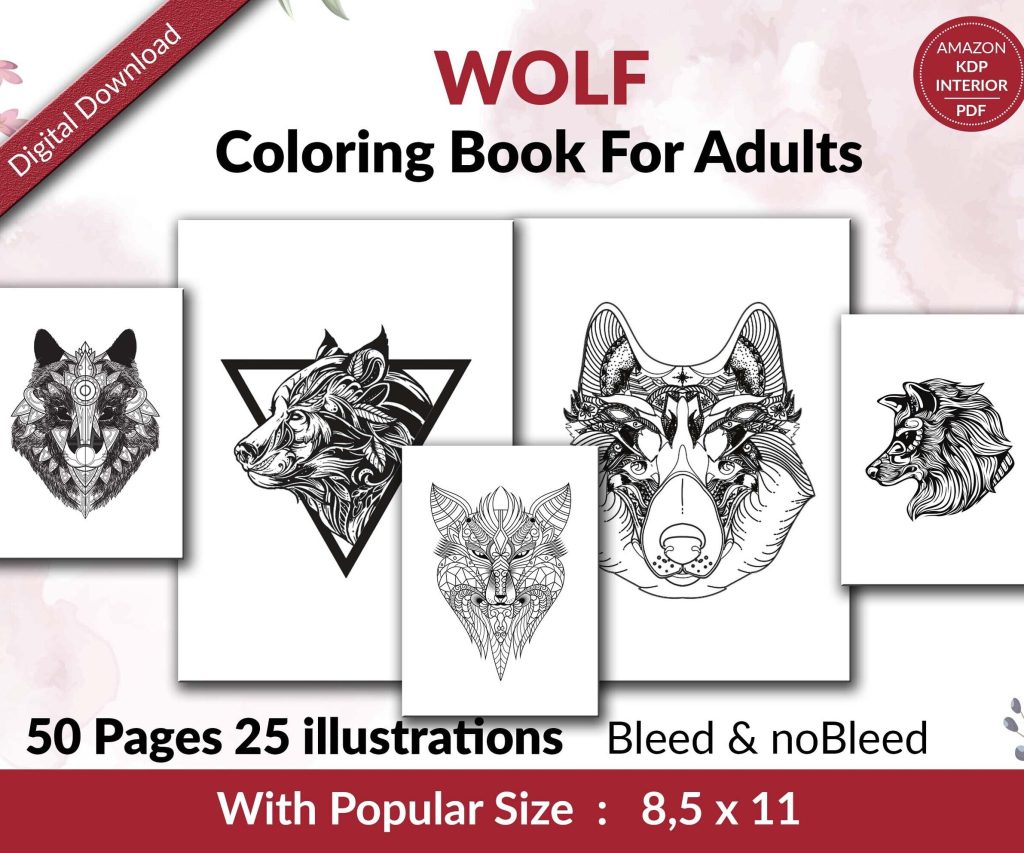 Wolf Coloring KDP interior For Adults, Used as Low Content Book, PDF Template Ready To Upload COMMERCIAL Use 8.5x11"
1 × $0.00
Wolf Coloring KDP interior For Adults, Used as Low Content Book, PDF Template Ready To Upload COMMERCIAL Use 8.5x11"
1 × $0.00 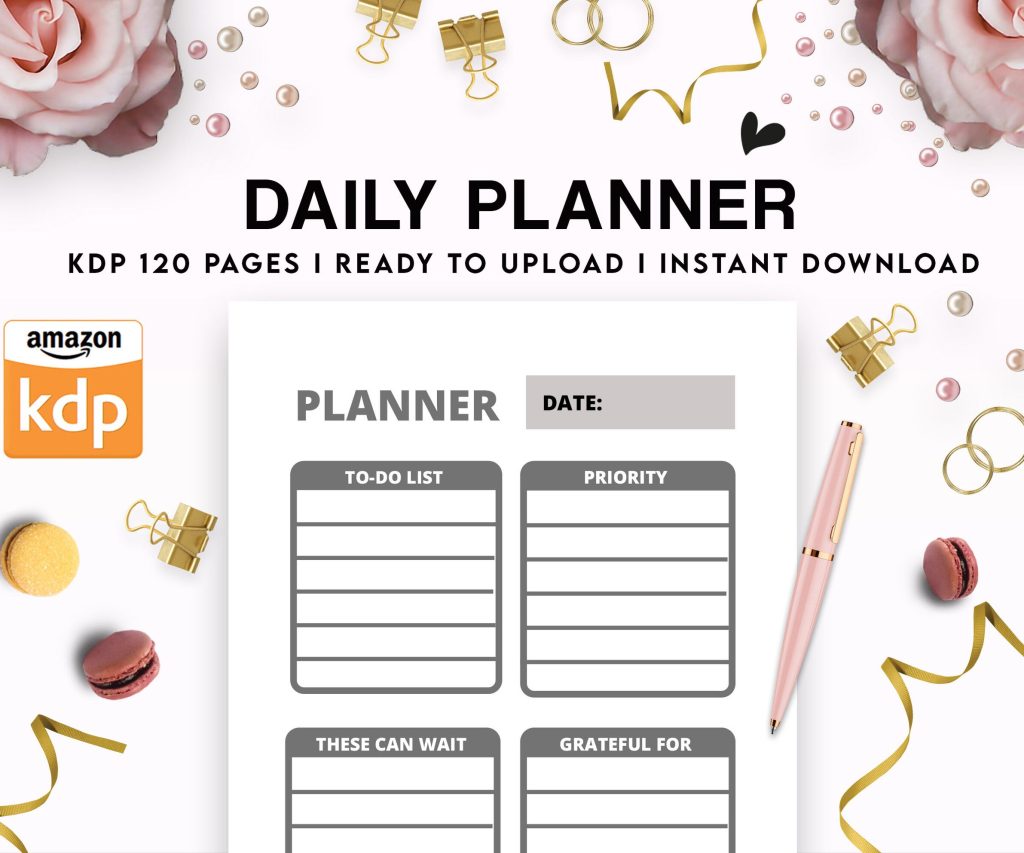 Daily Planner Diary : Diary Planners for Everyday Productivity, 120 pages, 6×9 Size | Amazon KDP Interior
1 × $0.00
Daily Planner Diary : Diary Planners for Everyday Productivity, 120 pages, 6×9 Size | Amazon KDP Interior
1 × $0.00 
DISCOVER OUR FREE BEST SELLING PRODUCTS
Editable Canva Lined Journal: Express Your Thoughts – KDP Template
Lined Pages Journal 120 pages Ready to Upload PDF Commercial Use KDP Template 6×9 8.5×11 5×8 for Notebooks, Diaries, Low Content
Lined Pages Journal 120 pages Ready to Upload PDF Commercial Use KDP Template 6×9 8.5×11 5×8 for Notebooks, Diaries, Low Content
Cute Dogs Coloring Book for Kids | Activity Book | KDP Ready-To-Upload
Daily Planner Diary : Diary Planners for Everyday Productivity, 120 pages, 6×9 Size | Amazon KDP Interior
Wolf Coloring KDP interior For Adults, Used as Low Content Book, PDF Template Ready To Upload COMMERCIAL Use 8.5×11"
Coloring Animals Head Book for Kids, Perfect for ages 2-4, 4-8 | 8.5×11 PDF
Printable Blank Comic Book Pages PDF : Create Your Own Comics – 3 Available Sizes
Notes KDP interior Ready To Upload, Sizes 8.5×11 6×9 5×8 inch PDF FILE Used as Amazon KDP Paperback Low Content Book, journal, Notebook, Planner, COMMERCIAL Use
Black Lined Journal: 120 Pages of Black Lined Paper Perfect for Journaling, KDP Notebook Template – 6×9
Student Planner Journal 120 pages Ready to Upload PDF Commercial Use KDP Template 6×9" 8.5×11" for Low Content book
Recipe Journal Template – Editable Recipe Book Template, 120 Pages – Amazon KDP Interior