
-
×
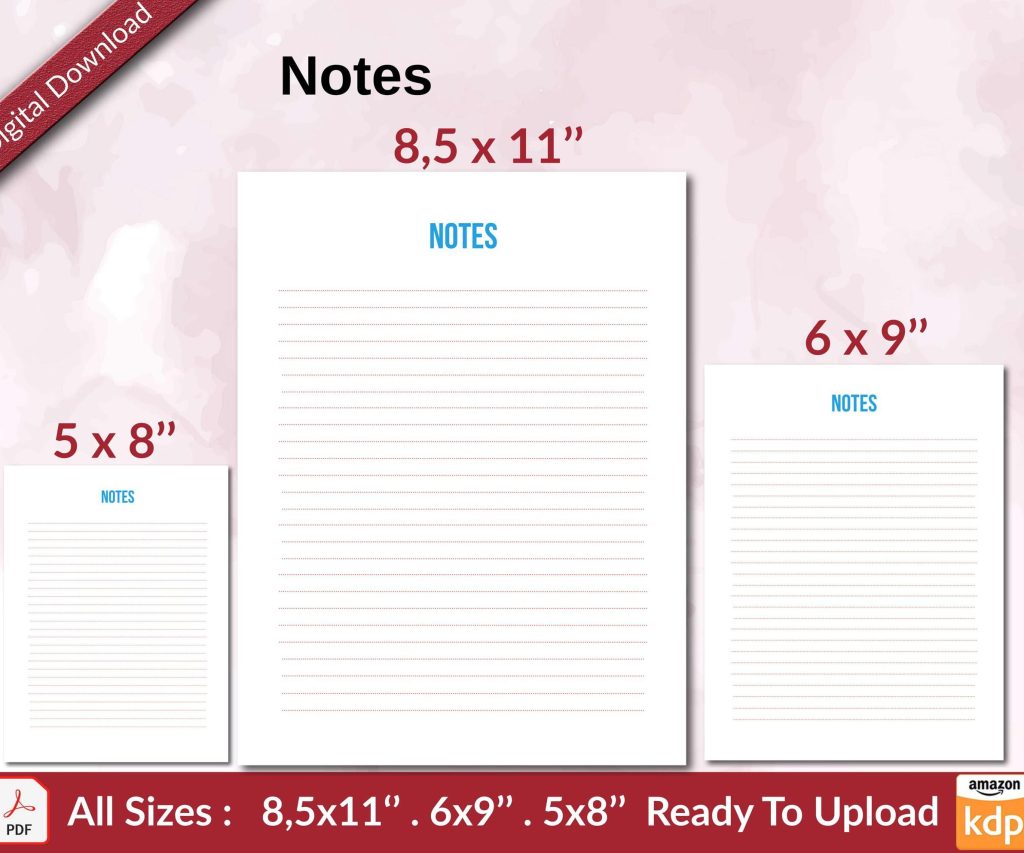 Notes KDP interior Ready To Upload, Sizes 8.5x11 6x9 5x8 inch PDF FILE Used as Amazon KDP Paperback Low Content Book, journal, Notebook, Planner, COMMERCIAL Use
1 × $0.00
Notes KDP interior Ready To Upload, Sizes 8.5x11 6x9 5x8 inch PDF FILE Used as Amazon KDP Paperback Low Content Book, journal, Notebook, Planner, COMMERCIAL Use
1 × $0.00
Subtotal: $0.00
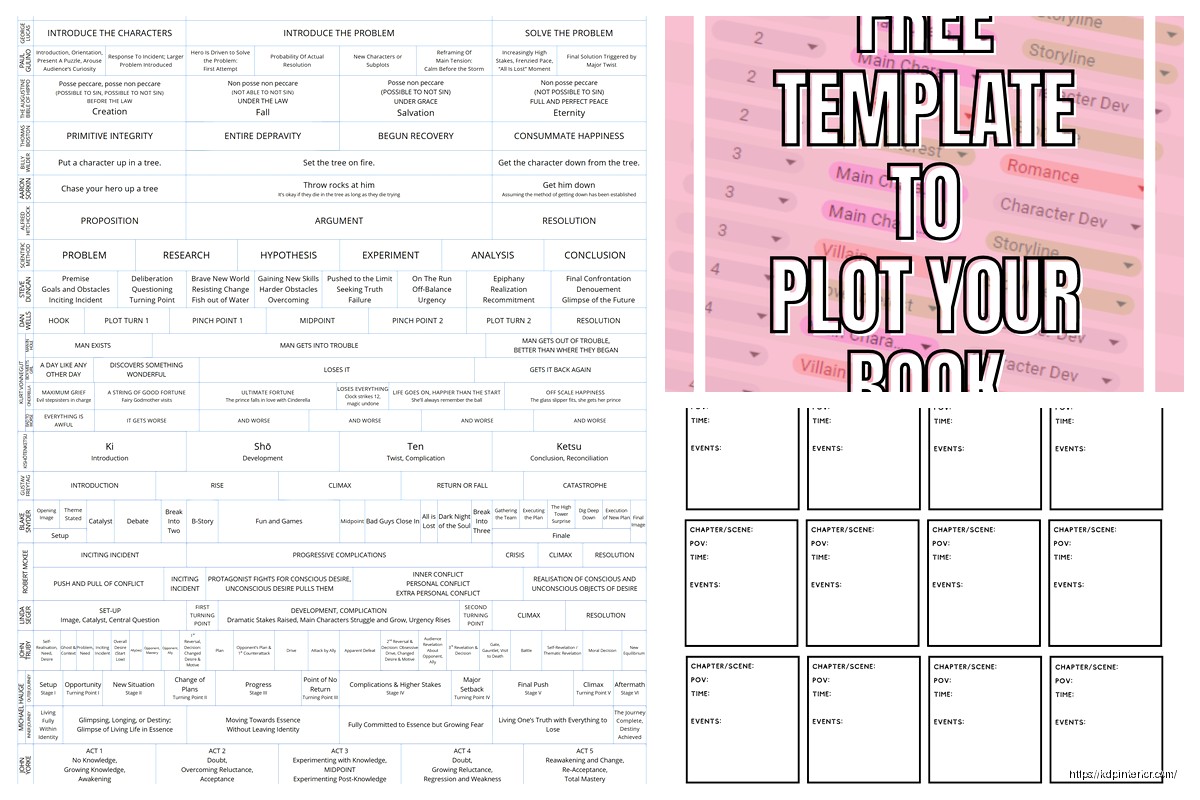
Okay so here’s the thing about plot templates – most people overthink them completely and then wonder why their novels feel mechanical. I spent like three months last year analyzing bestselling fiction across different genres to figure out what actually works versus what writing gurus just repeat from each other.
The basic story arc framework isn’t rocket science but you gotta understand WHY it works before you just plug in scenes like some kind of paint-by-numbers thing.
So every story needs these beats, right? But not because some screenwriting book from the 80s said so – because readers expect certain emotional rhythms. Your brain is literally wired to anticipate rising tension followed by release. When you mess with that too much people get frustrated and leave reviews saying “it dragged” or “the ending felt rushed.”
The basic template I use for everything:
But here’s what nobody tells you – these percentages are guidelines for PACING not rigid rules. I’ve published romance novels where the midpoint hit at 45% because the genre moves faster. Literary fiction can stretch that rising action way longer.
The opening 10-15% is where you establish normal life before everything goes sideways. This is NOT boring backstory time though. You’re showing your protagonist in their regular world while also planting the seeds of what’s gonna blow up later.
I see so many manuscripts that spend 30 pages describing the main character’s daily routine and childhood trauma. Your reader doesn’t care yet. They need a reason to care first.
What actually works – drop us into a scene with movement and decision-making. Your character is DOING something that reveals who they are. Maybe they’re making a choice that shows their fatal flaw. Maybe they’re in their element before that element gets destroyed.
When I wrote this thriller last spring I opened with my protagonist lying to her boss about why she missed a meeting. Tiny scene, maybe 800 words, but it established she’s a liar AND she’s got something to hide AND she’s not very good at hiding it. That’s efficient setup.
Oh and another thing – your opening should hint at the genre and tone. If you start with quiet domestic scenes and then suddenly pivot to a zombie invasion at 20%, readers feel betrayed. The opening sets a contract with your audience about what kind of story this is gonna be.
This is the event that disrupts normal life and forces your protagonist into the main story. It should happen pretty early – definitely before 15% of your book is done.
Common inciting incidents:
The key thing is – this event should be big enough that your protagonist CAN’T just ignore it and go back to normal life. That’s the test. If they could reasonably just shrug and move on, your inciting incident is too weak.
I messed this up in one of my early novels… my cat was literally walking across my keyboard while I was trying to write this scene and I got distracted and ended up with this wimpy inciting incident where the main character just gets a mysterious email. Like okay? Delete it and move on with your life? I had to rewrite the whole thing to make it an actual threat she couldn’t ignore.
This middle section from about 15% to 50% is where your protagonist is actively pursuing their goal while obstacles keep popping up. Each obstacle should be bigger or more complicated than the last one.
Think of it like a video game where each level gets harder. Your character learns something, applies that knowledge, faces a new challenge that requires them to level up again.
What makes this section work is COMPLICATIONS not just obstacles. An obstacle is “the door is locked” – boring. A complication is “the door is locked and the person with the key is your ex who you betrayed five years ago and now you have to convince them to help you while the building is filling with water.”
See the difference? Complications force character development and emotional stakes.
I usually map out 5-7 major complications for this section. Each one should:
Wait I forgot to mention – this is also where you’re weaving in subplots. Romance subplot, friendship dynamics, internal character arcs. These should complicate the main plot, not just exist separately.
Okay so this is gonna sound weird but the midpoint is probably the most important beat in your entire novel and most people just… skip right past it without realizing.
At the 50% mark something should SHIFT fundamentally. This isn’t just another obstacle. This is where:
In romance this is often when the couple actually gets together (then the second half is about whether they can STAY together). In mysteries it’s when the detective realizes they’ve been investigating the wrong person. In fantasy it’s when the mentor dies or betrays them.
The midpoint should make your reader go “oh SHIT” and immediately want to keep reading to see how this changes things.
I tested this across like 50 bestselling thrillers last year and literally every single one had a major midpoint reveal or shift. The ones that felt saggy in the middle? Those were the ones where nothing significant happened at the center.
From 50% to 75% things should be getting progressively worse for your protagonist even as they’re fighting harder. They’re active now, making decisions, taking risks – but those risks aren’t paying off the way they hoped.
This is where you pile on the pressure. Allies betray them. Plans fail. Sacrifices are required. The antagonist (whether that’s a person, society, nature, or internal demons) is pushing back harder.
Your protagonist should be changing during this section. They’re not the same person they were in the beginning. They’re learning hard lessons and being forced to confront their flaws or fears.
For pacing you want each scene to end with a new question or concern that propels into the next scene. Don’t let things settle. Keep that tension ratcheting up.
Around 75-80% your protagonist should hit rock bottom. Everything seems lost. This is their darkest moment where it looks like they’ve failed completely.
This beat is crucial because it forces your character to make a final transformation or decision. They can’t rely on their old ways anymore. They have to change or accept defeat.
In my romance novels this is the breakup or big fight. In thrillers it’s when the villain seems to have won. In literary fiction it’s the moment of ultimate despair or clarity.
The dark moment should feel EARNED though. If random bad stuff just happens to your character that’s not satisfying. The dark moment should be a consequence of their earlier choices and flaws coming home to roost.
I gotta say this is the hardest part to write emotionally because you’re putting characters you care about through hell. But readers need this moment to feel cathartic when the climax resolves things.
From about 80-90% is where everything comes together for the final confrontation. Your protagonist uses everything they’ve learned, faces their biggest fear, makes the hardest choice.
This should be the most intense and fast-paced section of your book. Short scenes, high action, emotional peaks. Whether it’s a literal battle or a conversation that resolves emotional conflict – this is where the main story question gets answered.
Key things for the climax:
Don’t drag this out too long though. I’ve read manuscripts where the climax goes on for like 60 pages and it just loses steam. Hit hard and move to resolution.
The final 10% is where you show the new normal. How has the world changed? How has your protagonist changed? What are the consequences of everything that happened?
This should be relatively brief. Answer the remaining questions, give readers emotional closure, maybe hint at future possibilities. But don’t go on forever explaining everything.
I usually aim for one or two scenes maximum in the resolution. Maybe an epilogue if the genre expects it (romance readers love epilogues, thriller readers often don’t need them).
Okay so when I’m plotting a new novel here’s literally what I do:
First I figure out my target word count. Let’s say 80,000 words. Then I multiply by those percentages to get actual page markers. So my midpoint needs to hit around 40,000 words. My climax should start around 64,000 words. Etc.
Then I brainstorm what happens at each major beat. I don’t outline every scene yet – just the big turning points. What’s the inciting incident? What’s the midpoint shift? What’s the dark moment?
Once I have those anchors I can fill in the scenes between them. Usually I aim for scenes of 1500-2500 words each, so I know roughly how many scenes I need between each beat.
This is gonna sound scattered but I also keep a separate document for subplots and make sure they have their own arcs that align with the main plot beats. Like the romance subplot should have its own midpoint and crisis that echoes the main story structure.
The beautiful thing about understanding this framework is you can break it intentionally once you know what you’re doing. Literary fiction often plays with structure. Experimental novels might fragment the timeline. But you gotta know the rules before you break them effectively.
When I’m revising I literally check my manuscript against these percentages. If my midpoint is happening at 60% I know my first half is probably dragging and needs tightening. If my climax starts at 70% the ending might feel rushed.
This template has saved me so much time in revisions because I can diagnose pacing problems quickly instead of just having this vague sense that something’s wrong somewhere.
DISCOVER OUR FREE BEST SELLING PRODUCTS
Editable Canva Lined Journal: Express Your Thoughts – KDP Template
Lined Pages Journal 120 pages Ready to Upload PDF Commercial Use KDP Template 6×9 8.5×11 5×8 for Notebooks, Diaries, Low Content
Lined Pages Journal 120 pages Ready to Upload PDF Commercial Use KDP Template 6×9 8.5×11 5×8 for Notebooks, Diaries, Low Content
Cute Dogs Coloring Book for Kids | Activity Book | KDP Ready-To-Upload
Daily Planner Diary : Diary Planners for Everyday Productivity, 120 pages, 6×9 Size | Amazon KDP Interior
Wolf Coloring KDP interior For Adults, Used as Low Content Book, PDF Template Ready To Upload COMMERCIAL Use 8.5×11"
Coloring Animals Head Book for Kids, Perfect for ages 2-4, 4-8 | 8.5×11 PDF
Printable Blank Comic Book Pages PDF : Create Your Own Comics – 3 Available Sizes
Notes KDP interior Ready To Upload, Sizes 8.5×11 6×9 5×8 inch PDF FILE Used as Amazon KDP Paperback Low Content Book, journal, Notebook, Planner, COMMERCIAL Use
Black Lined Journal: 120 Pages of Black Lined Paper Perfect for Journaling, KDP Notebook Template – 6×9
Student Planner Journal 120 pages Ready to Upload PDF Commercial Use KDP Template 6×9" 8.5×11" for Low Content book
Recipe Journal Template – Editable Recipe Book Template, 120 Pages – Amazon KDP Interior