
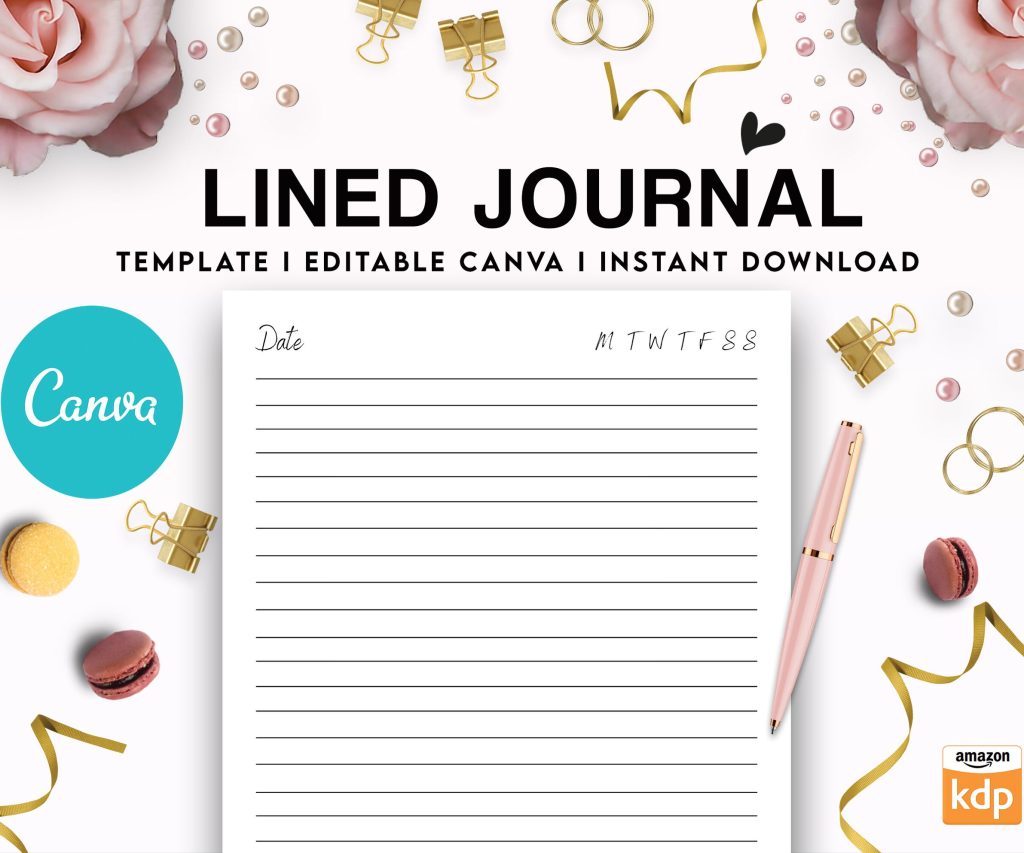
 Editable Canva Lined Journal: Express Your Thoughts - KDP Template
 Subtotal: $0.00
Amazon KDP guide, KDP book publishing
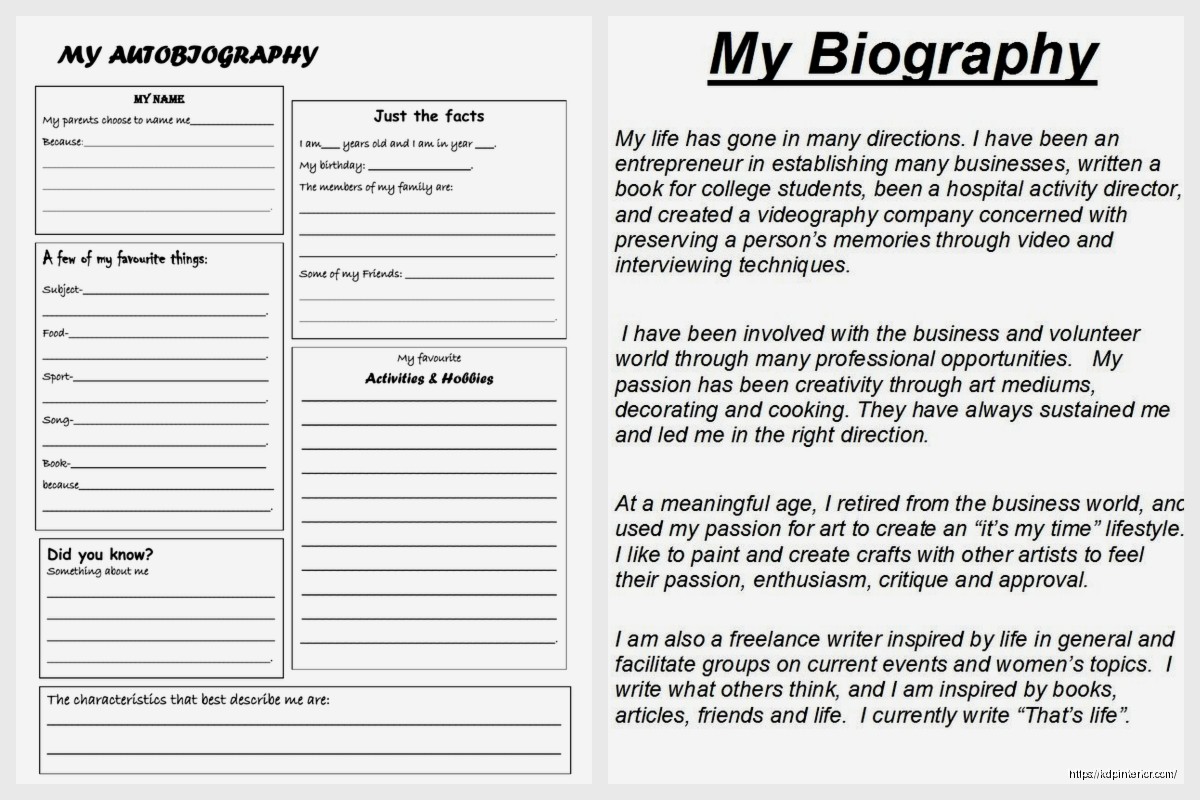
Sample Biographies: Life Story Examples
03
May
May
Okay so you wanna write sample biographies and honestly I’ve been helping people with these for years on their Amazon books and let me tell you, most people overthink the hell out of this. Just finished working with a client last night who was stuck on this exact thing and I’m gonna give you the breakdown that actually works.
The Basic Structure Nobody Tells You About
So here’s the deal – every decent biography follows this pattern whether it’s 100 words or 5000 words. You start with who they are NOW, then loop back to where they came from, hit the major turning points, and connect it all back to why anyone should care. Sounds obvious but like 80% of the bios I see on Amazon author pages just… don’t do this.
Example: “Sarah Mitchell teaches watercolor techniques to over 50,000 students through her online courses. Growing up in rural Montana with barely any art supplies, she learned to paint using coffee and beet juice before discovering traditional materials in college.”
See what happened there? Present relevance, then the hook that makes you wanna know more. I use this exact structure for my own author bios and it’s pulled way better than the chronological stuff I used to do.
Short Bio Format (100-200 words)
This is your LinkedIn summary, book jacket, conference program type situation. You’ve got maybe three paragraphs max and you gotta make them count.
Paragraph 1: Current identity and main accomplishment
Paragraph 2: Credibility markers – education, experience, notable achievements
Paragraph 3: Personal touch or current project
Real example I wrote for someone last month:
“Marcus Chen is a cybersecurity consultant who has protected over 200 Fortune 500 companies from data breaches. With fifteen years in network security and certifications from MIT and SANS Institute, he specializes in zero-trust architecture for financial institutions. When not teaching corporations about threat prevention, Marcus mentors underprivileged teens in coding through his nonprofit TechBridge. He lives in Seattle with his rescue dog Bailey and an embarrassing collection of mechanical keyboards.”
That’s 78 words and it tells you everything. The keyboard thing? Totally unnecessary but it makes him human. People remember that stuff.
Medium-Length Biography (300-500 words)
This is where you’ve got room to actually tell a story. I use this length for Amazon author pages, professional websites, speaking engagements. You can breathe here.
Start with a scene or moment if possible. Like instead of “Dr. Jennifer Lopez has been a marine biologist for 20 years,” try “Dr. Jennifer Lopez still remembers the first time she saw a sea turtle tangled in fishing nets off the coast of Costa Rica. She was nineteen, on a volunteer trip, and completely unprepared for how that moment would redirect her entire career.”
Then you build out from there – her education, the specific work she’s done, major publications or discoveries, where she is now, what’s next. But that opening scene is your hook.
Oh and another thing – people always ask me about third person vs first person. For professional stuff, stick with third person even if it feels weird writing about yourself that way. First person works for personal blogs or creative projects but if you want to be taken seriously in most industries, third person is the move.
What to Actually Include
- Specific numbers and achievements (not “many clients” but “127 clients across 14 countries”)
- Notable institutions, publications, or companies you’ve worked with
- One unexpected personal detail that shows personality
- Current project or focus area
- Location (people connect with this more than you’d think)
Skip the generic stuff like “passionate about” or “dedicated to excellence” – everybody says that and it means nothing. Show it through what you’ve actually done.
Long-Form Biography (800-1500 words)
Alright so this is where it gets fun because you can actually develop a narrative arc. I wrote one of these for my own Amazon author profile when I was launching my publishing course and it converted like crazy.
The structure I use:
Opening: Start with a defining moment or the “why” behind everything (150-200 words)
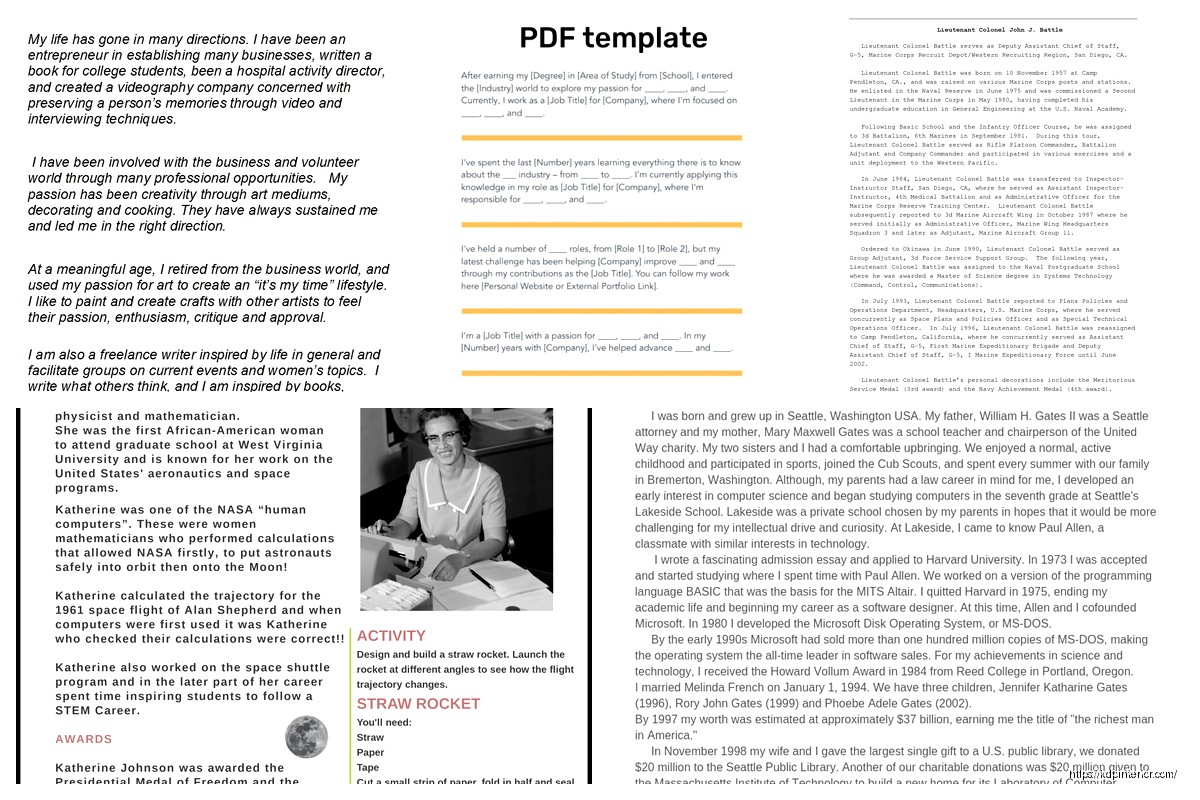
Early Background: Where you came from, formative experiences, what shaped your path (200-300 words)
Professional Journey: Career progression, major milestones, challenges overcome (300-400 words)
Current Work: What you’re doing now, your approach, your impact (200-300 words)
Personal Elements: Life outside work, values, what drives you (100-150 words)
Real talk – the middle section is where most people get boring. They just list jobs chronologically and you lose the reader. Instead, focus on transitions and turning points. “After three failed product launches, I realized I was approaching Amazon publishing completely wrong” is way more interesting than “In 2018 I worked at Company X.”
The Examples That Actually Work
Gonna share some frameworks I give my clients:
The Underdog Story
“Started from unlikely beginnings → faced specific obstacles → discovered unique approach → achieved measurable results → now helping others”
This works crazy well for coaches, consultants, course creators. People love a comeback story.
The Expert Path
“Traditional credentials → extensive experience → recognized authority → innovative contribution → current leadership position”
Better for academics, corporate professionals, technical specialists. You’re establishing credibility through the conventional route.
The Pivot Story
“Successful in Field A → dissatisfaction or revelation → bold change to Field B → application of unique perspective → new level of impact”
I see this work great for career changers, especially when the two fields seem unrelated. Like “former Wall Street analyst turned pottery instructor” – that contrast is inherently interesting.
Common Mistakes I See Constantly
Look, I’ve reviewed probably thousands of author bios at this point and here’s what kills them:
Being too humble. This isn’t the time for modesty. If you’ve done something notable, say it clearly. “Published in The New York Times” not “had some articles appear in various publications.”
Too much backstory nobody cares about. I don’t need to know about every job you had since college unless it’s relevant to your current authority.
Wait I forgot to mention – dates can be tricky. For older achievements, sometimes you wanna leave off the year because it can age you out of relevance. “Graduated from Stanford in 1987” might make people think you’re out of touch, but “Stanford graduate with an MBA in Economics” is timeless.
Generic language that could describe anyone. If I can copy your bio and paste someone else’s name in and it still works, you’ve failed.
No personality whatsoever. The mechanical keyboard detail I mentioned earlier? That’s the kind of stuff that makes bios memorable.
The Personal Touch Problem
This is gonna sound weird but you want exactly ONE personal detail that feels human. Not five. Not zero. One good one.
“Lives in Portland with her wife and two chaotic rescue cats” – good
“Enjoys hiking, reading, traveling, cooking, and spending time with family” – useless, everyone says this
“Has visited 47 countries and counting” – interesting if travel relates to your work
“Collects vintage typewriters” – quirky and memorable
My cat just knocked over my coffee which is honestly on-brand for how my work sessions go, but anyway…
Industry-Specific Adjustments
Creative fields (writers, artists, designers): Lead with your unique voice or style, include exhibitions or publications, mention influences sparingly
Business/Corporate: Emphasize results and metrics, include company names people recognize, keep it more formal
Academic: Publications and research are your currency, include institutional affiliations, grants, speaking engagements
Entrepreneurship: Focus on companies built, revenue generated, problems solved, exit strategies if applicable
The Amazon Author Bio Specifically
Since that’s my world, lemme break this down separately. You’ve got 2500 characters max and most people waste them. Here’s what actually sells books:
Lead with your authority on the book’s topic. If you wrote a book about sourdough bread, your bio better establish why you’re the sourdough expert immediately.
Include social proof – “featured in,” “consulted for,” “taught over X students”
End with a call to action or where to find you. “Visit her website at…” or “Connect with him on Instagram @whatever”
Keep it updated. I see authors with bios saying “upcoming book releasing 2019” and it’s 2025. Come on.
Templates You Can Actually Use
[Name] is a [current title/role] who [main achievement or impact]. With [number] years of experience in [field], [he/she/they] has [specific accomplishment]. [Name]’s work has been featured in [notable publications/companies/institutions]. Originally from [place], [Name] now [current location and situation]. When not [main work], you’ll find [him/her/them] [interesting personal detail].
That’s your basic 100-word formula. Plug in your details and adjust the tone for your industry.
For longer versions, expand each element into its own paragraph and add the narrative transitions I talked about earlier.
The thing is, writing about yourself feels awkward and most people either undersell or oversell. Get someone else to interview you about your work and record it – you’ll naturally tell better stories out loud than you will staring at a blank page trying to write about yourself.
Alright that’s pretty much the framework. Test different versions and see what resonates with your audience. I split-test my Amazon author bios constantly and the results are wild – sometimes a tiny change in emphasis doubles your conversion rate.
DISCOVER OUR FREE BEST SELLING PRODUCTS
Editable Canva Lined Journal: Express Your Thoughts – KDP Template
Lined Pages Journal 120 pages Ready to Upload PDF Commercial Use KDP Template 6×9 8.5×11 5×8 for Notebooks, Diaries, Low Content
Lined Pages Journal 120 pages Ready to Upload PDF Commercial Use KDP Template 6×9 8.5×11 5×8 for Notebooks, Diaries, Low Content
Cute Dogs Coloring Book for Kids | Activity Book | KDP Ready-To-Upload
Daily Planner Diary : Diary Planners for Everyday Productivity, 120 pages, 6×9 Size | Amazon KDP Interior
Wolf Coloring KDP interior For Adults, Used as Low Content Book, PDF Template Ready To Upload COMMERCIAL Use 8.5×11"
Coloring Animals Head Book for Kids, Perfect for ages 2-4, 4-8 | 8.5×11 PDF
Printable Blank Comic Book Pages PDF : Create Your Own Comics – 3 Available Sizes
Notes KDP interior Ready To Upload, Sizes 8.5×11 6×9 5×8 inch PDF FILE Used as Amazon KDP Paperback Low Content Book, journal, Notebook, Planner, COMMERCIAL Use
Black Lined Journal: 120 Pages of Black Lined Paper Perfect for Journaling, KDP Notebook Template – 6×9
Student Planner Journal 120 pages Ready to Upload PDF Commercial Use KDP Template 6×9" 8.5×11" for Low Content book
Recipe Journal Template – Editable Recipe Book Template, 120 Pages – Amazon KDP Interior