
-
×
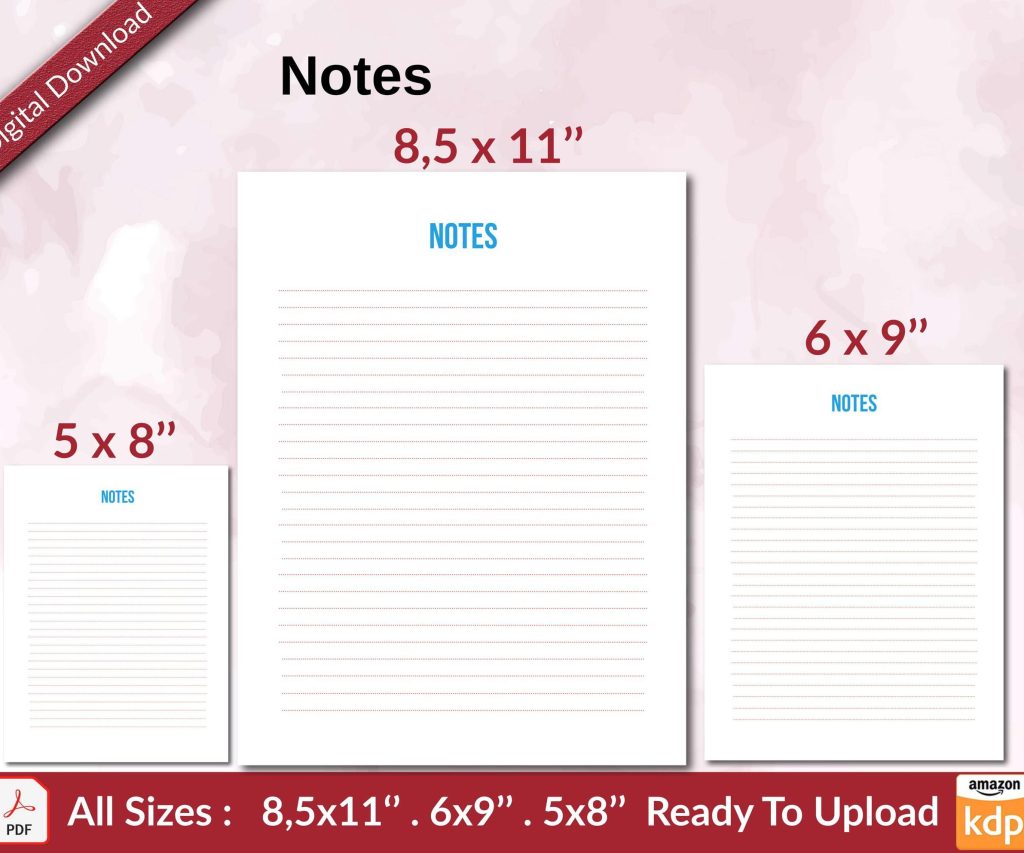 Notes KDP interior Ready To Upload, Sizes 8.5x11 6x9 5x8 inch PDF FILE Used as Amazon KDP Paperback Low Content Book, journal, Notebook, Planner, COMMERCIAL Use
1 × $0.00
Notes KDP interior Ready To Upload, Sizes 8.5x11 6x9 5x8 inch PDF FILE Used as Amazon KDP Paperback Low Content Book, journal, Notebook, Planner, COMMERCIAL Use
1 × $0.00
Subtotal: $0.00
Okay so I just finished helping someone outline their third romance novel last week and honestly the whole “how do I even structure this thing” question comes up literally every time I talk to new authors, so let me just dump everything I know about book outlines because you’re gonna need different approaches depending on what you’re writing.
Look, everyone acts like the three-act structure is too simple or whatever but like… it works? I’ve used it for probably 80% of my own books and it’s basically:
I know it sounds stupidly simple but when you’re staring at a blank document at 11pm wondering why you thought you could write a book, this structure literally saves you. I use it as my foundation then layer other stuff on top.
So I wrote this psychological thriller about a woman who finds old letters in her new house, right? My outline looked like:
Act 1: Sarah moves into house (chapter 1-3), finds letters in wall during renovation (end of chapter 3), realizes letters describe a murder that happened in her house (chapter 4)
Act 2: Sarah investigates (chapters 5-12), discovers the murder was never solved, starts getting threatening messages, realizes someone doesn’t want her digging into this, her marriage starts falling apart from the stress, finds evidence the killer might still be alive
Act 3: Confrontation with killer (chapters 13-14), twist reveal about who it actually was, resolution with her marriage (chapter 15)
That’s literally how basic I keep my initial outlines. Details come later.
Oh and another thing – if you’re writing anything commercial (thriller, romance, mystery), you gotta know about the Save The Cat beat sheet. It’s originally from screenwriting but works perfectly for novels. Blake Snyder broke story structure into 15 specific beats and honestly? It’s almost formulaic how well this works.
The beats are:
I used this for a romantic comedy I published in 2019 and it was probably the easiest outline I’ve ever done. Each beat became a chapter or scene cluster.
Wait I forgot to mention – the rom-com was about a wedding planner who hates weddings (ironic, I know). Here’s how I beat-sheeted it:
Opening Image: Maya faking enthusiasm at a bridezilla’s wedding while internally dying
Catalyst: Her ex-boyfriend announces he’s getting married and wants her to plan it
Break Into Two: She accepts the job to prove she’s over him (she’s not)
Midpoint: She realizes she’s falling for the best man instead
All Is Lost: Best man finds out she was using the wedding to get back at her ex, feels betrayed
Finale: She confesses her real feelings during the actual wedding ceremony (chaos ensues)
The book did pretty well actually, made about $3k in its first year which isn’t amazing but for a random rom-com I wrote in like six weeks? I’ll take it.
Okay so funny story, I tried the Snowflake Method exactly once and it nearly made me lose my mind BUT some people swear by it. My friend Jessica uses it exclusively and her books are incredibly tight plot-wise.
Basically you start with a one-sentence summary, then expand it to a paragraph, then expand that to a page, then character sketches, then scene lists… it’s this whole iterative process where you keep adding layers of detail. It’s like… you know those fractal patterns that keep zooming in forever? That’s the idea.
If you’re someone who needs to know every single detail before you write, this might be your thing. Me? I got through step 4 and was like “I could’ve written three chapters by now” and abandoned it. But again – Jessica loves it and she’s published like 15 books so clearly it works for some people.
This is gonna sound weird but this is actually my favorite method now after years of trying everything else. I just… list out chapters and write 2-3 sentences about what happens in each one.
Super straightforward. No fancy structure names. Just:
Chapter 1: Introduce protagonist at their job, show their main flaw/problem, end with something that hints at the conflict coming
Chapter 2: Inciting incident happens, protagonist’s world gets disrupted
Chapter 3: Protagonist reacts to the incident, makes first decision
And so on. I usually plan about 15-20 chapters for a novel (depends on genre – my thrillers are more like 25 chapters, romance novels I keep around 15).
The beauty of this method is you can rearrange chapters super easily. I use Scrivener and just drag the chapter cards around until the flow feels right. Sometimes I’m writing chapter 8 and realize “wait this should actually happen in chapter 5” and I just… move it.
Here’s the thing nobody tells you about outlines – they’re gonna change. Like, definitely. I’ve never once followed my outline exactly as written. My dog just knocked over my coffee, hang on…
Okay back – yeah so outlines are more like guidelines. I had this mystery novel where my outline said the killer was the victim’s business partner, but when I got to chapter 10 I realized it made way more sense for it to be the sister and I just… changed it. The outline isn’t the boss of you.
If you like seeing your whole story laid out physically, get a pack of index cards and write one scene per card. Then lay them all out on your floor or pin them to a corkboard.
I did this for a fantasy novel (which honestly didn’t do great on KDP because fantasy is so saturated but whatever) and it helped me visualize the three different POV storylines I was juggling. I used different colored cards for each POV character:
Then I could literally see where the storylines intersected and make sure each character had roughly equal page time. It was super helpful for tracking when characters met up or when information from one POV affected another POV.
The downside is my cat absolutely destroyed my card layout one night and I had to reconstruct the whole thing from memory. So maybe… don’t have cats. Or do this digitally in something like Trello or Notion.
Wait I forgot to mention this one and it’s actually really useful if you’re more of a pantser (someone who writes by the seat of their pants) but want SOME structure.
Basically you only outline your major scenes – the tentpole moments that hold up your whole story. Usually this is like 8-12 big scenes. Then you just… write your way from one tentpole to the next, figuring out the connective tissue as you go.
For me these are usually:
I’ll write detailed descriptions of these scenes – like a full paragraph each – but everything in between? That’s discovery writing territory. This method has saved me SO much time because I’m not outlining scenes that end up getting cut anyway.
Oh and another thing – different genres need different outline approaches. Like, romance novels have pretty specific beat requirements:
Romance Structure:
Mystery novels need to plant clues at specific intervals, red herrings, and usually a reveal about 3/4 through where the detective figures it out (then proves it in the climax).
Thrillers need escalating tension with no breaks – each scene should end with a hook that makes you wanna keep reading.
I’ve got templates for all these saved in Scrivener that I just duplicate and fill in when I start a new project. Saves so much time vs starting from scratch every time.
So after trying everything, here’s what I actually do these days: I combine methods. I start with Save The Cat beats to get my major plot points, then I do a chapter-by-chapter breakdown, then I identify my tentpole scenes within those chapters.
It looks messy in my Scrivener file but it gives me enough structure to not get lost while leaving room to discover stuff as I write. Usually takes me 2-3 days to outline a full novel this way.
The biggest thing I’ve learned is that your outline needs to match your writing style. If you’re someone who needs every detail planned, go detailed. If you’re more intuitive, keep it loose. There’s no right way – just what works for you.
And honestly? Your first outline is gonna suck. Your second one will be better. By your fifth book you’ll have figured out what works for your brain. I’m on book 200+ and I’m still tweaking my process.
Just start somewhere and adjust as you go. The outline isn’t the book anyway – it’s just the roadmap to help you get there without getting completely lost in the woods.
DISCOVER OUR FREE BEST SELLING PRODUCTS
Editable Canva Lined Journal: Express Your Thoughts – KDP Template
Lined Pages Journal 120 pages Ready to Upload PDF Commercial Use KDP Template 6×9 8.5×11 5×8 for Notebooks, Diaries, Low Content
Lined Pages Journal 120 pages Ready to Upload PDF Commercial Use KDP Template 6×9 8.5×11 5×8 for Notebooks, Diaries, Low Content
Cute Dogs Coloring Book for Kids | Activity Book | KDP Ready-To-Upload
Daily Planner Diary : Diary Planners for Everyday Productivity, 120 pages, 6×9 Size | Amazon KDP Interior
Wolf Coloring KDP interior For Adults, Used as Low Content Book, PDF Template Ready To Upload COMMERCIAL Use 8.5×11"
Coloring Animals Head Book for Kids, Perfect for ages 2-4, 4-8 | 8.5×11 PDF
Printable Blank Comic Book Pages PDF : Create Your Own Comics – 3 Available Sizes
Notes KDP interior Ready To Upload, Sizes 8.5×11 6×9 5×8 inch PDF FILE Used as Amazon KDP Paperback Low Content Book, journal, Notebook, Planner, COMMERCIAL Use
Black Lined Journal: 120 Pages of Black Lined Paper Perfect for Journaling, KDP Notebook Template – 6×9
Student Planner Journal 120 pages Ready to Upload PDF Commercial Use KDP Template 6×9" 8.5×11" for Low Content book
Recipe Journal Template – Editable Recipe Book Template, 120 Pages – Amazon KDP Interior