-
×
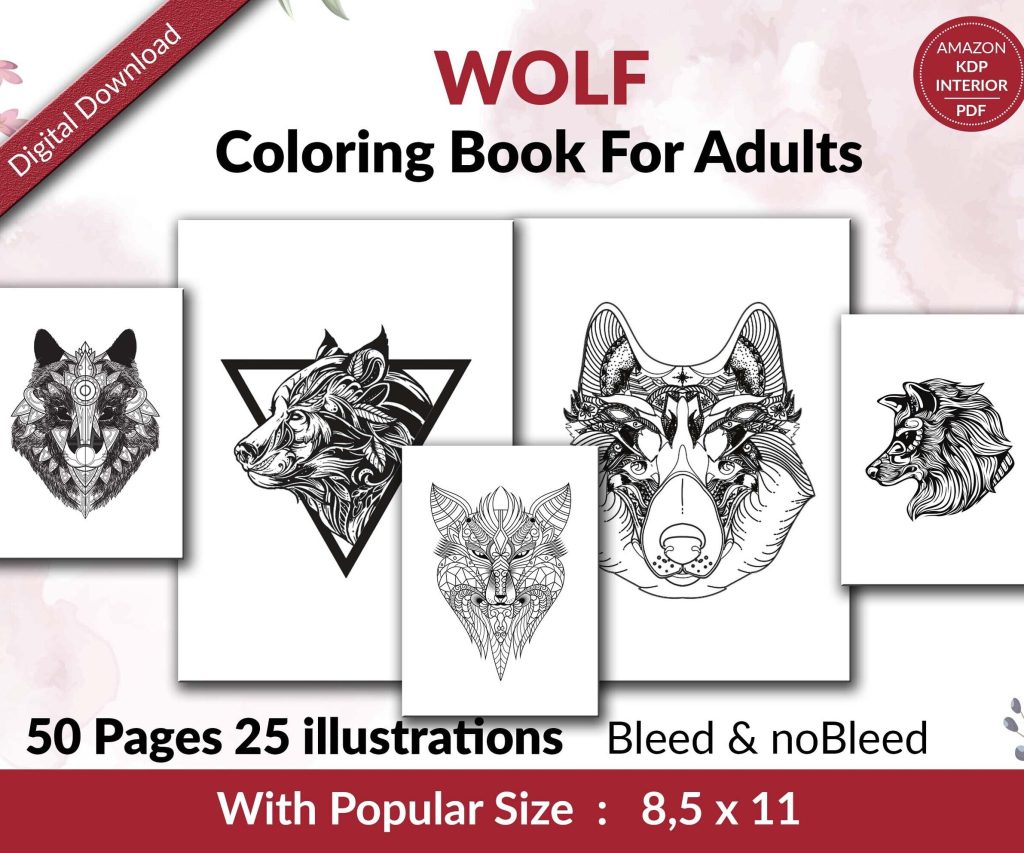 Wolf Coloring KDP interior For Adults, Used as Low Content Book, PDF Template Ready To Upload COMMERCIAL Use 8.5x11"
1 × $0.00
Wolf Coloring KDP interior For Adults, Used as Low Content Book, PDF Template Ready To Upload COMMERCIAL Use 8.5x11"
1 × $0.00
Subtotal: $0.00

Okay so here’s the deal with book proposals – they’re basically your audition tape for traditional publishers, and I’ve seen way too many people mess these up because they think it’s just like uploading to KDP. It’s absolutely not.
First thing you gotta understand is that traditional publishers want to see if you can actually sell books before they invest in you. So a proposal for nonfiction is like this whole business plan mixed with writing samples. Fiction is different but we’ll get to that.
The standard nonfiction proposal has about 8-10 sections and yeah it’s gonna take you weeks to write a good one. I learned this the hard way when I tried pivoting from self-publishing to trad about three years ago because I thought it’d give me more credibility. Spoiler: it’s way more work than just writing the actual book sometimes.
This is where you hook them in one page. Think of it like your Amazon description but way more sophisticated. You need to explain what your book is about, why it matters RIGHT NOW, and why you’re the perfect person to write it.
Here’s a real example structure I used when pitching a productivity book:
Start with a compelling statement or statistic. Like “Every year, 73% of professionals say they’re burned out, yet productivity books keep telling them to just work harder.” Then pivot to what YOUR book does differently. “The Sustainable Hustle shows readers how to achieve more by strategically doing less – a counterintuitive approach backed by behavioral psychology and real-world case studies from Fortune 500 executives.”
You want about 300-500 words here. Keep it punchy.
Oh man this is where most self-publishers trip up because we’re used to just checking BSR and calling it a day. Traditional publishers want you to prove there’s a market but ALSO that the market isn’t oversaturated.
You need to list 5-7 comparable titles. Not just any books – books published in the last 3-5 years that sold well. Include the title, author, publisher, publication date, and a paragraph about how your book is similar BUT different.
Like if you’re writing a book about minimalism you might say: “The Life-Changing Magic of Tidying Up by Marie Kondo (Ten Speed Press, 2014) sold over 11 million copies worldwide and introduced readers to the concept of intentional decluttering. However, Kondo’s approach focuses primarily on physical possessions, while my book extends these principles to digital life, relationships, and career choices – addressing the reality that modern clutter exists far beyond our closets.”
The trick is showing you understand the market without making it seem like there’s no room for your book. It’s a balance.
Don’t just say “anyone who likes self-help” because that tells publishers nothing. Get specific with demographics and psychographics.
I usually break this into primary and secondary audiences. Primary might be “Women aged 28-45 who work in corporate environments and are experiencing career stagnation despite outward success. They read Harvard Business Review, listen to podcasts like How I Built This, and spend $200+ annually on professional development.”
Secondary audience could be “Career coaches and HR professionals looking for frameworks to recommend to clients.”
See how specific that is? Publishers can actually market to that. They know where those people hang out.
This is gonna be the bulk of your proposal – usually 10-15 pages. You need to outline every single chapter with a summary that’s about 150-300 words each.
Don’t just list topics. Show the narrative arc and the value readers get from each chapter.
Example format:
Chapter 3: The Myth of Perfect Balance
This chapter dismantles the popular notion that work-life balance means equal distribution of time and energy. Through interviews with twelve successful entrepreneurs who initially failed at balance, readers discover that sustainable success comes from intentional imbalance – knowing when to sprint and when to recover. The chapter introduces the “Seasons Framework,” a tool for planning intense work periods followed by restoration phases. Readers will complete an exercise mapping their natural energy cycles and designing a 90-day sprint-and-recover calendar. Key takeaway: Balance isn’t about every day being equal; it’s about every season having purpose.
Wait I forgot to mention – you don’t have to have the whole book written for nonfiction. Usually just 1-2 sample chapters. Fiction is totally different though, you need the complete manuscript.
Include your two strongest chapters. Not necessarily chapters 1 and 2 – your BEST chapters. The ones that show your voice and expertise.
These should be fully edited, polished, ready-to-publish quality. This is what the acquisitions editor is gonna read to decide if you can actually write. I spent like three weeks revising my sample chapters and had two professional editors look at them because this is your one shot.
Okay so funny story – I originally thought this section didn’t matter much because publishers have marketing departments right? Wrong. They want to know what YOU bring to the table.
List your platform specifics:
Then outline what you’ll actually DO to market the book. Will you commit to 20 podcast interviews? Do you have corporate training clients who could bulk order? Can you teach workshops based on the content?
Publishers in 2025 expect authors to do like 80% of their own marketing anyway, especially for debut authors. My friend just got a deal with HarperCollins and they basically told her “we’ll get you into bookstores but you need to get people into bookstores.”
This isn’t your LinkedIn profile. Focus on credentials that specifically relate to THIS book.
If you’re writing about productivity and you have a PhD in psychology, lead with that. If you’ve been featured in Forbes for your time management system, definitely include it. That random award you won in college? Probably skip it unless it’s directly relevant.
Keep it to one page max. Third person, professional but not stuffy.
Oh and another thing – if you’re doing fiction, the whole game changes. Most publishers won’t even look at fiction proposals unless you have an agent, and they want the complete manuscript.
Your fiction proposal is usually:
The synopsis is brutal to write. You gotta summarize your entire plot including the ending in like 500 words. No cliffhangers, no “you’ll have to read to find out.” Just straight facts about what happens.
I’m gonna share what actually got responses when I was querying. This is from a proposal that got me three publisher meetings (didn’t end up signing because the advances were too low but whatever):
The Async Advantage: How Remote Teams Outperform Through Asynchronous Communication
In an era where 68% of knowledge workers report Zoom fatigue and companies are mandating return-to-office policies, a quiet revolution is happening. The most productive remote teams aren’t the ones with the most meetings – they’re the ones with almost none.
The Async Advantage reveals the frameworks used by companies like GitLab, Basecamp, and Automattic to build high-performing distributed teams through asynchronous communication. Unlike existing remote work books that simply digitize office culture, this book provides a complete system for rethinking how work happens when not everyone is online at the same time.
That opening grabbed attention because it had current data, acknowledged the problem, and positioned the solution as counterintuitive.
For that same proposal, here’s how I structured one comp:
Remote: Office Not Required by Jason Fried and David Heinemeier Hansson (Crown Business, 2013)
This bestselling book made the case for remote work and sold over 500,000 copies. However, it was published before the pandemic fundamentally changed how we think about distributed teams. The Async Advantage builds on Remote’s philosophy but provides specific tactical frameworks for the post-2020 workplace, including tools for async decision-making, documentation standards, and team rituals that work across time zones. Where Remote convinced readers that remote work was possible, The Async Advantage shows them exactly how to make it exceptional.
See how that works? You’re showing respect for what came before while carving out your unique angle.
People submit proposals that read like they spent an afternoon on them. Publishers can tell. The average proposal should take you 40-80 hours to create if you’re doing it right.
Another thing – don’t trash other books in your comp titles section. It’s so tempting to be like “unlike Book X which is outdated garbage…” but that just makes you look unprofessional. Be diplomatic.
Also, proofread like your career depends on it because it kinda does. One typo in a query letter might slide but a proposal full of errors tells publishers you’re gonna be a nightmare to edit.
If you don’t have a platform yet, build it BEFORE querying. I know that sounds backwards but publishers are businesses. They want authors who already have audiences.
You don’t need a million followers but you need something. A 5,000-person email list is way more valuable than 50,000 Instagram followers with no engagement. Show you can actually reach your target readers.
My cat just jumped on my keyboard but anyway – the point is that traditional publishing is a business transaction. Your proposal needs to prove you understand the market, can write well, and will actually help sell books.
Use standard manuscript format. Times New Roman or Garibaldi, 12pt, double-spaced for sample chapters. The proposal itself can be single-spaced.
Include a table of contents at the beginning so editors can jump around. Number your pages. Save as a PDF unless they specifically ask for Word docs.
File name should be professional: LastName_BookTitle_Proposal.pdf (not like “MY AMAZING BOOK final FINAL v3.docx”)
Most agents and publishers want you to follow their specific submission guidelines exactly. If they say email only, don’t mail a physical copy trying to stand out. You’ll just annoy them.
From proposal to book deal takes forever in traditional publishing. Like 6-12 months if everything goes perfectly, which it won’t. Then another 18-24 months until your book actually comes out.
This is why I mostly stick with KDP – I can have a book live in 72 hours. But traditional publishing gives you bookstore placement, media credibility, and potentially subsidiary rights deals that self-publishing doesn’t really offer.
The advance money sounds great until you realize it’s split into like three payments over two years and you gotta earn it out before seeing royalties. My friend got a $50k advance which sounds amazing but she got $25k on signing, $12.5k on manuscript delivery, and $12.5k on publication. That $25k took her eight months to actually receive after signing the contract.
Just manage your expectations about the business side because it’s gonna move slower than you think possible.
DISCOVER OUR FREE BEST SELLING PRODUCTS
Editable Canva Lined Journal: Express Your Thoughts – KDP Template
Lined Pages Journal 120 pages Ready to Upload PDF Commercial Use KDP Template 6×9 8.5×11 5×8 for Notebooks, Diaries, Low Content
Lined Pages Journal 120 pages Ready to Upload PDF Commercial Use KDP Template 6×9 8.5×11 5×8 for Notebooks, Diaries, Low Content
Cute Dogs Coloring Book for Kids | Activity Book | KDP Ready-To-Upload
Daily Planner Diary : Diary Planners for Everyday Productivity, 120 pages, 6×9 Size | Amazon KDP Interior
Wolf Coloring KDP interior For Adults, Used as Low Content Book, PDF Template Ready To Upload COMMERCIAL Use 8.5×11"
Coloring Animals Head Book for Kids, Perfect for ages 2-4, 4-8 | 8.5×11 PDF
Printable Blank Comic Book Pages PDF : Create Your Own Comics – 3 Available Sizes
Notes KDP interior Ready To Upload, Sizes 8.5×11 6×9 5×8 inch PDF FILE Used as Amazon KDP Paperback Low Content Book, journal, Notebook, Planner, COMMERCIAL Use
Black Lined Journal: 120 Pages of Black Lined Paper Perfect for Journaling, KDP Notebook Template – 6×9
Student Planner Journal 120 pages Ready to Upload PDF Commercial Use KDP Template 6×9" 8.5×11" for Low Content book
Recipe Journal Template – Editable Recipe Book Template, 120 Pages – Amazon KDP Interior