-
×
 Wolf Coloring KDP interior For Adults, Used as Low Content Book, PDF Template Ready To Upload COMMERCIAL Use 8.5x11"
1 × $0.00
Wolf Coloring KDP interior For Adults, Used as Low Content Book, PDF Template Ready To Upload COMMERCIAL Use 8.5x11"
1 × $0.00
Subtotal: $0.00

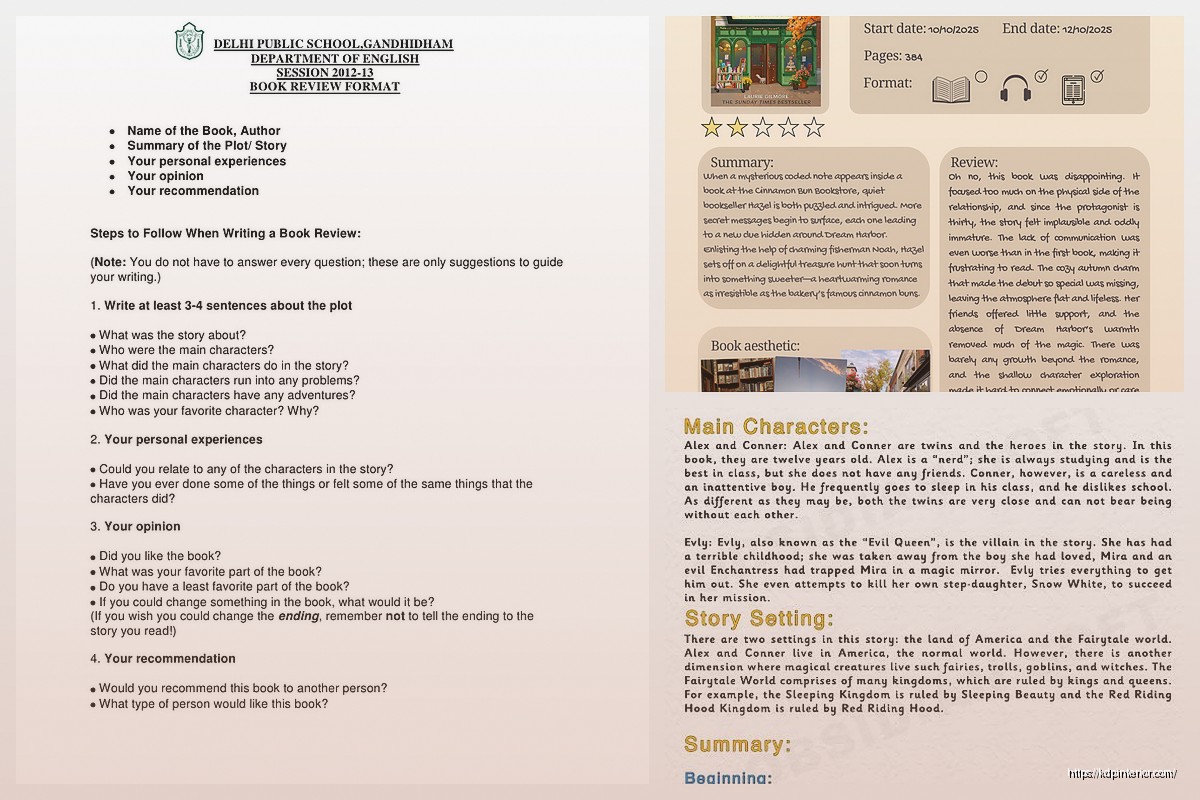
okay so I just finished reviewing like three different book reviews last week for a client who’s trying to break into the children’s book market and here’s what actually matters when you’re looking at sample critiques…
First thing – most book reviews you see on Amazon or Goodreads are basically useless as learning tools because they’re either “loved it 5 stars!!!” or someone ranting about shipping damage. What you actually need when you’re studying reviews is the middle ground stuff, the 3-4 star reviews where people actually THINK about what they’re saying.
I keep a swipe file of like 50+ reviews that I’ve pulled from successful books in different niches. Mystery thrillers, cookbooks, self-help, whatever. And the pattern you start seeing is that good critical reviews hit on specific elements rather than vague feelings.
When I’m breaking down a review to understand what worked or didn’t, I look for mentions of:
Here’s an example from a productivity book review I analyzed last month: “The first three chapters moved so slowly I almost quit, but chapter 4 finally got into actionable steps. Wish the author had front-loaded the practical stuff instead of making me wade through theory.”
That’s GOLD because it tells you exactly where the structure failed. The reviewer wanted practical > theory, and the author delivered theory > practical.
oh and another thing – when you’re reading through sample critiques, pay attention to what people say about the actual content depth. I was watching The Bear the other night (so good btw) and thinking about how book reviews kinda work like restaurant reviews… people want to know if they’re getting value for money.
Content-focused critiques usually mention:
I saw this brutal but fair review on a marketing book: “Every single tip in here can be found in a 5-minute YouTube video. The author added nothing new, just compiled existing free information and charged $19.99 for it.”
That review probably tanked sales but it’s a perfect example of what happens when you don’t add unique value. When I’m publishing anything on KDP now, I literally ask myself “would someone feel ripped off if they could find this info in 10 minutes of Googling?”
People notice voice more than authors realize. I’ve gotten reviews on my own stuff that mentioned tone, word choice, readability level… things I didn’t even consciously think about while writing.
Common writing style complaints in reviews:
There’s this memoir I reviewed as practice and the critique wrote itself: “The author switches between past and present tense randomly, sometimes in the same paragraph. Made it hard to follow the timeline.” That’s a technical writing issue but it directly impacted reader experience.
wait I forgot to mention – the whole point of studying these isn’t just to read them, it’s to reverse-engineer what works and what doesn’t for YOUR genre.
I keep different folders for different book categories because a valid critique for a romance novel might be completely irrelevant for a technical manual. Like, someone complaining about “lack of emotional depth” in a book about Excel formulas is missing the point entirely.
gonna walk you through what I actually do when I’m preparing to publish something new:
Step 1: Find 10-15 books similar to what you’re publishing. Not just topic-similar but format and price-point similar too.
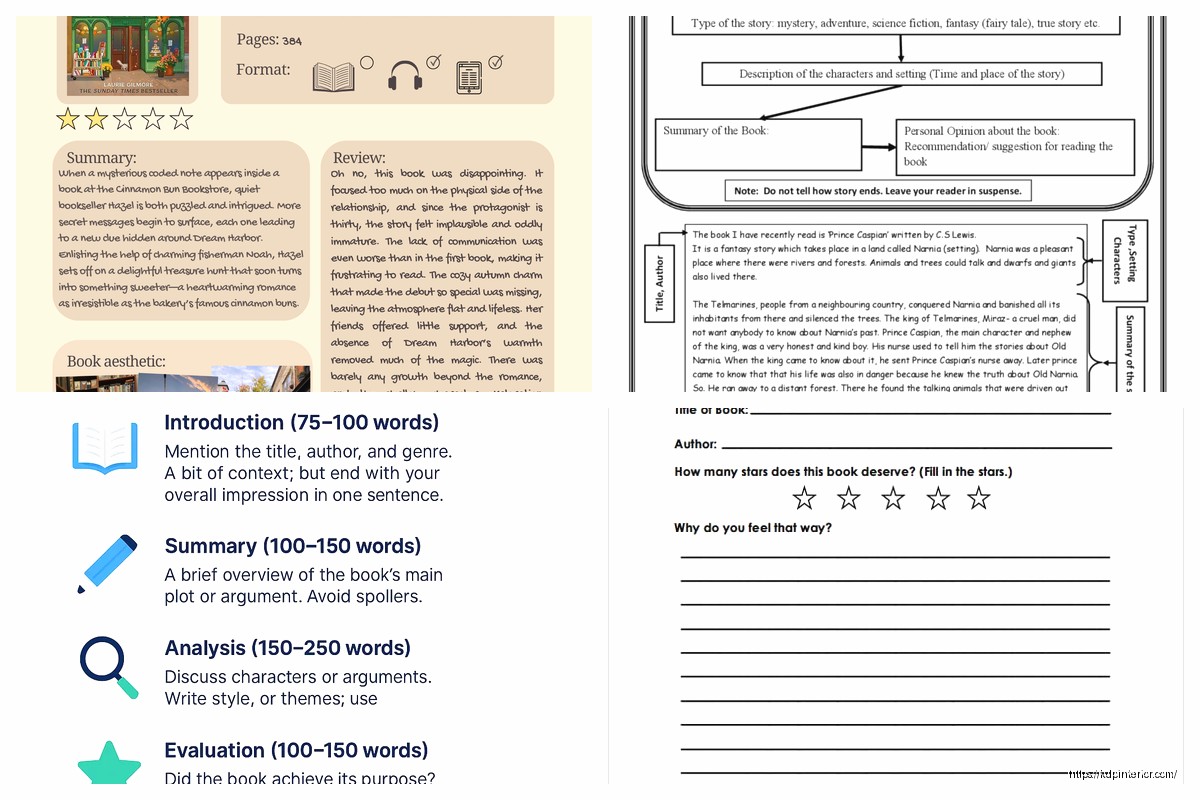
Step 2: Read through their 2-4 star reviews specifically. Skip the 5s and 1s mostly because they’re usually emotional extremes.
Step 3: Make a spreadsheet (yeah I know, but it works) with columns for: Book Title, Review Rating, Complaint Type, Was It Valid, Could I Avoid This.
The “Was It Valid” column is important because sometimes reviewers are just wrong or had unrealistic expectations. I saw someone give a coloring book 2 stars because “the pages are too thin” when the book description LITERALLY said it was single-sided pages for markers. That’s a reading comprehension fail, not a book fail.
this is gonna sound weird but after analyzing hundreds of reviews, certain complaints are death sentences for future sales:
I published a social media marketing guide in 2019 that mentioned Instagram chronological feeds and someone rightfully called it out in 2021 as outdated. Had to pull it down and update because that kind of review kills credibility.
Different genres get different types of critiques and you gotta know what matters for yours:
Non-fiction/How-to books: People want actionable steps, clear instructions, real examples. Reviews will destroy you for being too theoretical or vague. “Not enough practical application” is the kiss of death.
Fiction: Character development, plot holes, pacing, dialogue authenticity. I don’t publish much fiction but my wife does and she says the most common valid critique is “characters felt flat” or “ending was rushed.”
Low-content books (planners, journals, etc): Layout, paper quality perception, uniqueness of prompts/design. People will complain if your journal prompts are too generic or if the layout isn’t intuitive.
Children’s books: Age-appropriateness, illustration quality, message/lesson clarity, length. Parents are BRUTAL in reviews if your age recommendation is off.
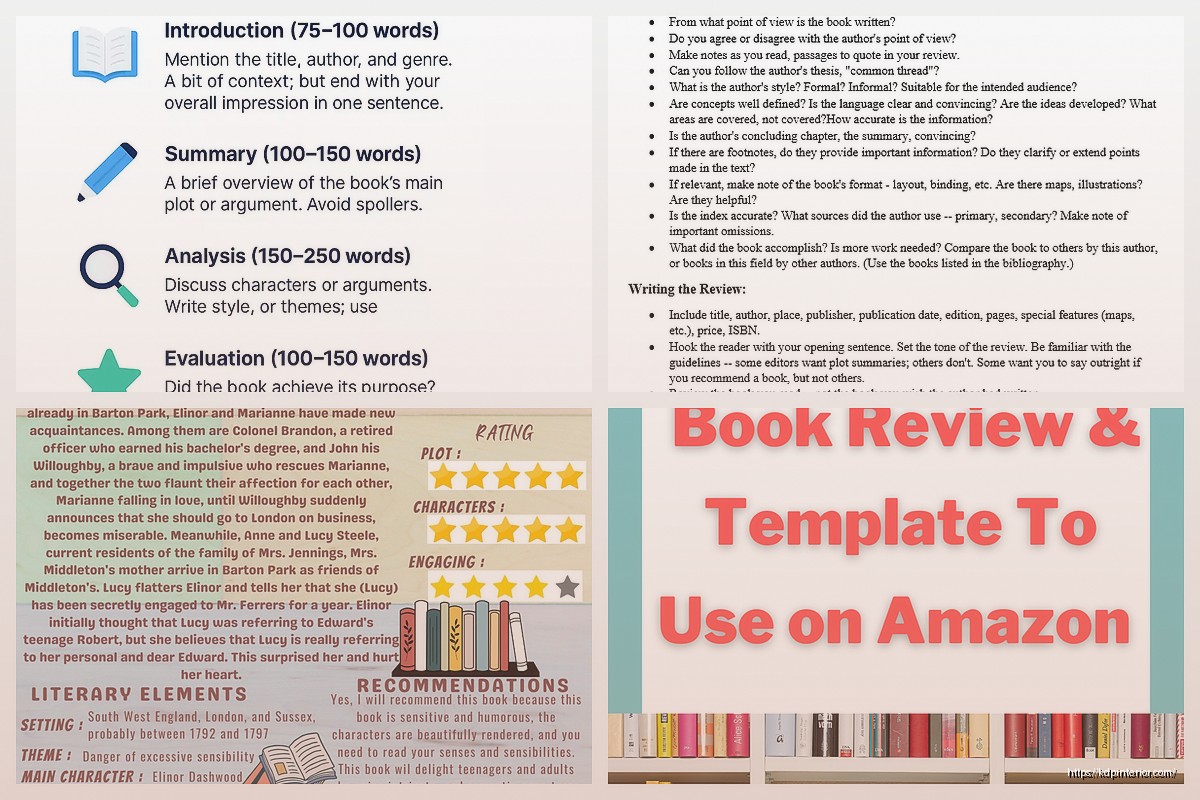
okay so funny story – I was teaching someone this method last month and she was like “just show me an actual example” so here’s one I use in my consulting:
“Bought this book hoping to learn advanced Excel techniques but it spent the first 50 pages on basics like how to open a spreadsheet and save files. The ‘advanced’ content was maybe 20 pages and covered stuff I already knew from the intermediate level. Felt like a bait and switch with the title. The actual writing was clear and screenshots were helpful, but the content level was completely misrepresented.”
Breaking this down:
See how that works? You extract the actionable feedback from the emotional response.
I see people make these errors ALL the time when studying reviews:
Taking every complaint personally instead of objectively – not every critique means your book sucks, sometimes it means it reached the wrong reader
Ignoring patterns – if ONE person says your book is disorganized, maybe they’re picky. If FIVE people say it, you have a problem
Focusing only on your own genre – I’ve learned tons from reading cookbook reviews that I applied to my business books
Dismissing all negative reviews as “haters” – yeah some people are just negative but many have valid points
Not looking at the reviewer’s other reviews – if someone gives everything 1 star, their review of your book matters less than someone who thoughtfully reviews across the rating spectrum
wait I should mention – this isn’t a one-time thing, you gotta make it ongoing. I spend like 30 minutes every week just reading reviews in my target categories.
My dog just knocked over my coffee while I’m writing this but anyway…
Set up alerts for new releases in your category and check their reviews after they’ve been out for a month or two. That’s when you get the honest feedback after the initial friend/family 5-star burst.
I use a simple note-taking system:
Sounds tedious but it takes like 2 minutes per review and over time you build this knowledge base of what works and what tanks.
here’s where it gets practical – before I publish ANYTHING now, I run through a checklist based on common critique patterns I’ve identified:
This checklist literally came from reading negative reviews and thinking “how could the author have avoided this?”
oh and another thing – when you’re looking at sample critiques, compare reviews of successful books vs unsuccessful ones in the same niche. The patterns are WILD.
Successful books get critiques about personal preference stuff: “I wanted more focus on X topic” or “Not my favorite writing style but informative.” These are subjective and unavoidable.
Unsuccessful books get critiques about objective failures: “Full of errors,” “Misleading title,” “Poorly organized,” “Not worth the price.” These are fixable problems.
I did this comparison with time management books last year – the bestsellers had reviews averaging 4.2-4.5 stars with complaints mostly about wanting different prioritization of topics. The low-sellers had 3.1-3.8 stars with complaints about basic quality issues.
The lesson? Quality baseline matters more than perfect content for everyone.
DISCOVER OUR FREE BEST SELLING PRODUCTS
Editable Canva Lined Journal: Express Your Thoughts – KDP Template
Lined Pages Journal 120 pages Ready to Upload PDF Commercial Use KDP Template 6×9 8.5×11 5×8 for Notebooks, Diaries, Low Content
Lined Pages Journal 120 pages Ready to Upload PDF Commercial Use KDP Template 6×9 8.5×11 5×8 for Notebooks, Diaries, Low Content
Cute Dogs Coloring Book for Kids | Activity Book | KDP Ready-To-Upload
Daily Planner Diary : Diary Planners for Everyday Productivity, 120 pages, 6×9 Size | Amazon KDP Interior
Wolf Coloring KDP interior For Adults, Used as Low Content Book, PDF Template Ready To Upload COMMERCIAL Use 8.5×11"
Coloring Animals Head Book for Kids, Perfect for ages 2-4, 4-8 | 8.5×11 PDF
Printable Blank Comic Book Pages PDF : Create Your Own Comics – 3 Available Sizes
Notes KDP interior Ready To Upload, Sizes 8.5×11 6×9 5×8 inch PDF FILE Used as Amazon KDP Paperback Low Content Book, journal, Notebook, Planner, COMMERCIAL Use
Black Lined Journal: 120 Pages of Black Lined Paper Perfect for Journaling, KDP Notebook Template – 6×9
Student Planner Journal 120 pages Ready to Upload PDF Commercial Use KDP Template 6×9" 8.5×11" for Low Content book
Recipe Journal Template – Editable Recipe Book Template, 120 Pages – Amazon KDP Interior