
Amazon KDP guide, KDP book publishing
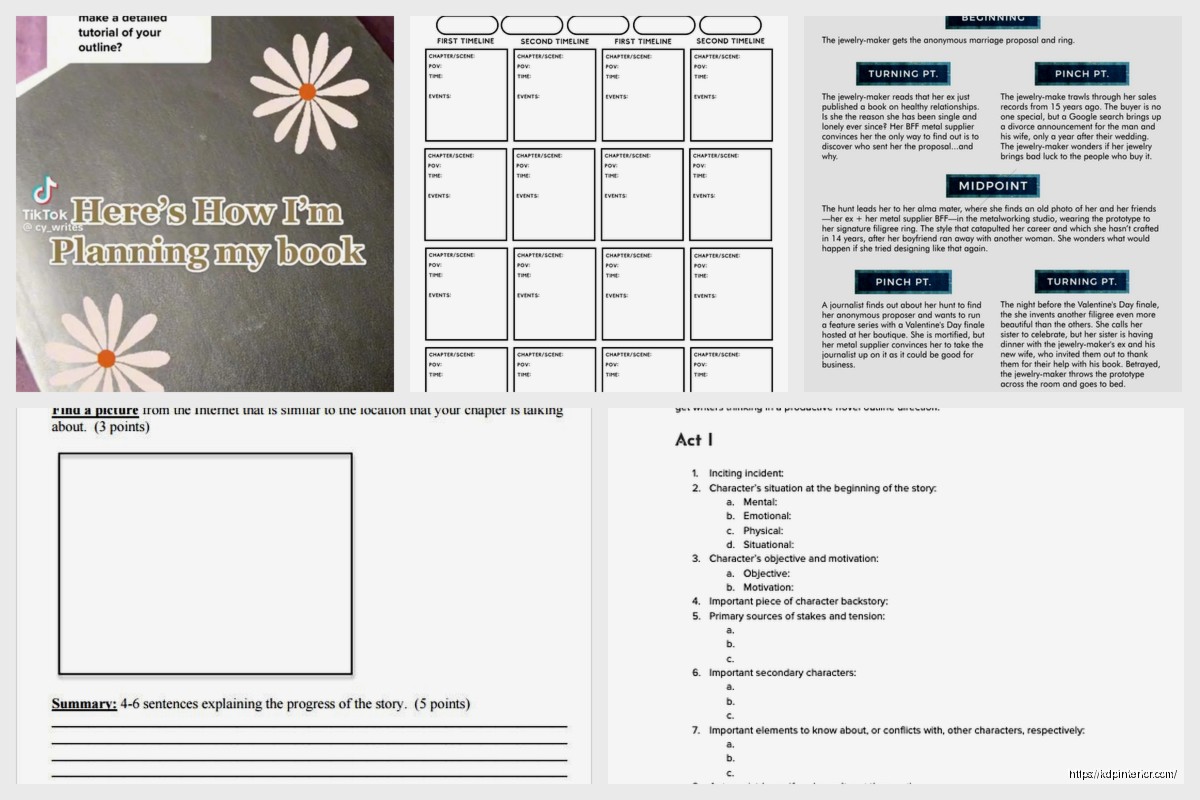
Sample Novel Outline: Fiction Structure Examples
May
Okay so I was literally working on a novel structure last night while my cat kept walking across my keyboard and here’s what you actually need to know about outlining fiction…
The three-act structure is where most people start and honestly it works. You’ve got Act One which is like the first 25% of your book – setup, introduce your protagonist, show their normal world, then hit them with the inciting incident. Act Two is the meaty middle 50% where everything goes wrong and your character struggles. Act Three is the final 25% – climax and resolution. Basic but it sells books.
Three-Act Structure Breakdown
Act One needs these beats and I’m gonna be specific because vague advice is useless. Your opening scene should show normal life but hint at what’s missing. Like if you’re writing a romance, maybe your protagonist is successful at work but goes home to an empty apartment and orders takeout alone for the third night in a row. That’s your setup.
Then around 10-12% into your manuscript you hit the inciting incident. This is the event that disrupts everything. In a thriller it might be discovering a body. In romance it’s meeting the love interest in some memorable way. The key thing is your protagonist can’t ignore this event.
First plot point happens around 25% and this is where your character commits to the journey. They accept the quest, take the job, decide to investigate the mystery, whatever. No turning back after this.
The Midpoint Problem Everyone Gets Wrong
Act Two is where most manuscripts die and I’ve seen this happen maybe 150 times with clients. The middle sags because writers don’t understand the midpoint structure. You need a major revelation or shift at the 50% mark.
Here’s what works: the midpoint should either be a false victory or a major defeat that changes everything. In a mystery, this might be when the detective thinks they’ve solved it but then discovers they’re completely wrong and the real conspiracy is way bigger. In romance it could be the first kiss or sleeping together – whatever shifts the relationship dynamic.
Oh and another thing about Act Two – you need rising stakes throughout. Each scene should make things worse or more complicated. If your character solves a problem easily, you’ve messed up. They should solve one problem only to create two more problems.
Save The Cat Beat Sheet
This is gonna sound weird but the Save the Cat structure actually works better for some genres even though it was designed for screenplays. I use this for thrillers and mysteries mostly.
You’ve got 15 beats total:
- Opening Image – snapshot of your protagonist’s flawed life
- Theme Stated – someone says the lesson your character will learn but they don’t get it yet
- Setup – normal world, establish relationships and stakes
- Catalyst – the inciting incident that changes everything
- Debate – your character resists the call to adventure, argues against it, tries to avoid it
- Break into Two – they commit and enter the new world
- B Story – introduce subplot or relationship that will help teach the theme
- Fun and Games – this is the promise of the premise, deliver what readers came for
- Midpoint – false peak or false defeat
- Bad Guys Close In – external and internal pressures mount
- All Is Lost – lowest point, opposite of the midpoint
- Dark Night of the Soul – character wallows, seems like they’ll give up
- Break into Three – they have the answer and know what to do
- Finale – execute the plan, confront the antagonist, synthesize everything learned
- Final Image – opposite of opening image showing growth
The “Save the Cat” moment itself is in the setup – you show your protagonist doing something kind or relatable so readers like them even if they’re flawed. Could be literal like helping someone or just showing vulnerability.
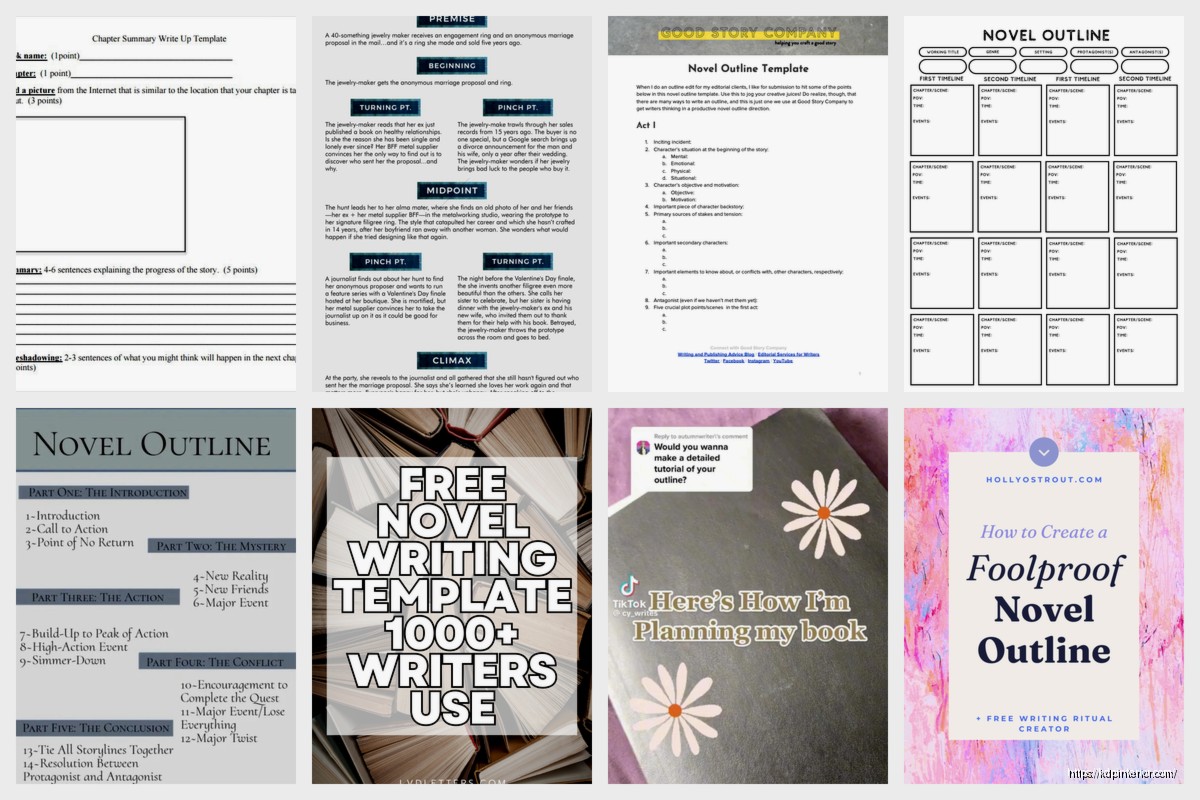
The Hero’s Journey For Fantasy And Adventure
If you’re writing fantasy or epic adventure stuff, the Hero’s Journey is still king. Yeah it’s old but it works because it taps into archetypal storytelling patterns.
Ordinary World – show normal life before adventure
Call to Adventure – the quest presents itself
Refusal of the Call – protagonist doesn’t wanna go (this is important, if they’re too eager it feels fake)
Meeting the Mentor – they encounter someone who prepares them or gives them something they’ll need
Crossing the Threshold – leaving the familiar world behind, point of no return
Tests, Allies, and Enemies – learning the rules of this new world, figuring out who to trust
Approach to the Inmost Cave – preparing for the major challenge
Ordeal – the big confrontation, death and rebirth moment (can be literal or metaphorical)
Reward – they survive and gain something (knowledge, item, power)
The Road Back – decision to return to ordinary world with what they’ve learned
Resurrection – final test using everything they’ve learned, often more personal than the Ordeal
Return with the Elixir – bring something back that helps or heals their original world
Wait I forgot to mention – you don’t have to use every single beat. I’ve written fantasy novels that skip the Refusal of the Call because the protagonist is eager for adventure. Just know what you’re skipping and why.
Romance Structure Is Different
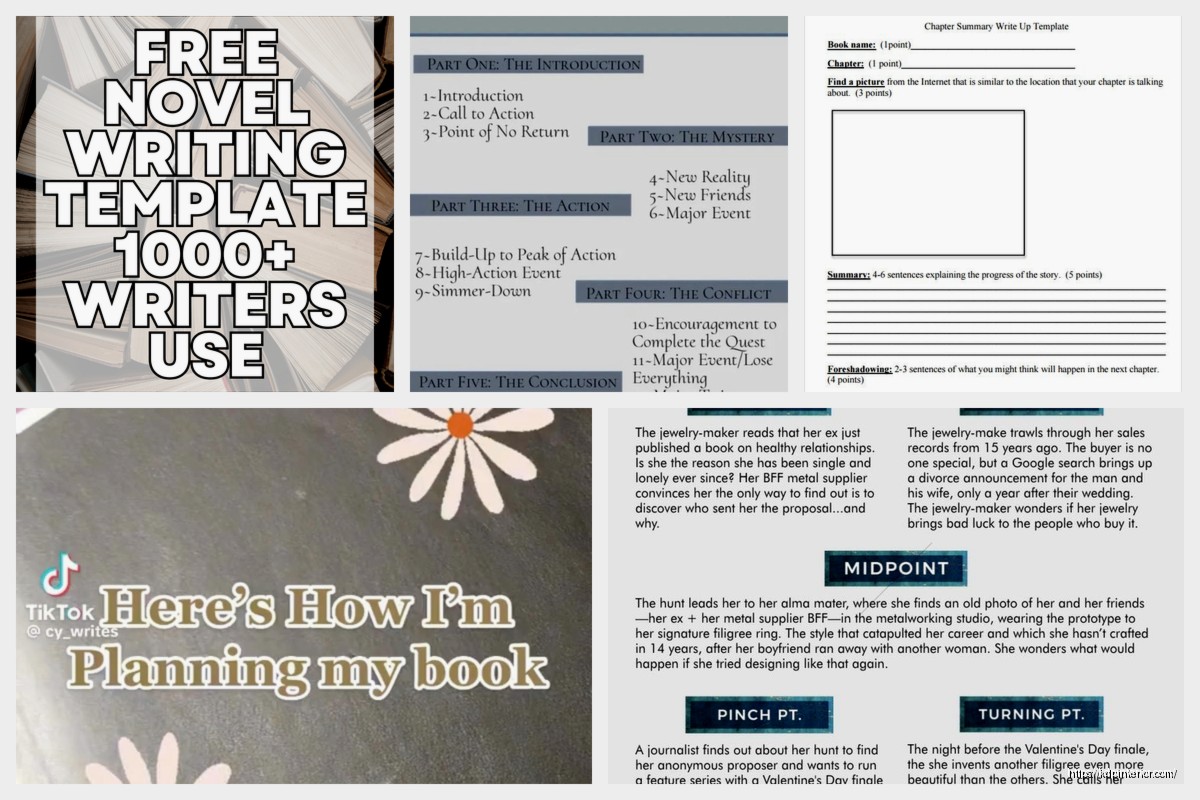
Romance has its own rules and if you ignore them readers will roast you in reviews. There are specific beats romance readers expect.
Meet Cute – first encounter between love interests, should be memorable and hint at their dynamic
No Way – one or both resist the attraction for valid reasons (not just stupid miscommunication)
Attraction Builds – forced proximity, working together, getting to know each other
First Kiss or Sexual Tension Peaks – usually around 30-40% mark
Relationship Develops – they’re together now but haven’t said “I love you” or made permanent commitment
Black Moment – around 75-80%, something tears them apart, often related to internal wounds or external conflicts introduced earlier
Grovel or Grand Gesture – whoever messed up has to prove they’ve changed and fight for the relationship
HEA or HFN – Happily Ever After or Happy For Now ending is mandatory for romance genre
The trick with romance is you need both external plot and internal character growth. The external stuff (mystery to solve, business to save, whatever) creates scenes and tension. The internal stuff (fear of commitment, trust issues, etc.) creates the emotional journey.
Mystery And Thriller Beats
Okay so funny story – I was watching a true crime documentary while outlining a thriller last month and realized the structure is basically the same.
For mysteries you need:
Crime or Mystery Introduced – first 5-10%
Initial Investigation – detective/protagonist starts poking around, interviews witnesses
First Dead End – around 25%, initial theory falls apart
New Lead – something redirects the investigation
Midpoint Revelation – major clue or red herring that shifts everything
Complications – around 60-70%, investigation gets dangerous or personal
False Solution – protagonist thinks they’ve solved it but something’s off
Real Revelation – the actual truth emerges, usually around 80%
Confrontation – face off with villain
Resolution – loose ends tied up, justice served
Thrillers are similar but faster paced with more action beats. You need a ticking clock element – bomb gonna explode, victim running out of time, whatever creates urgency.
Chapter-By-Chapter Outline Example
Here’s how I actually outline when I’m writing. This is for a 70,000 word novel with about 25 chapters:
Chapters 1-3: Setup, introduce protagonist and their world, hint at internal wound, inciting incident hits
Chapters 4-6: Protagonist reacts to inciting incident, meets key supporting characters, tries to return to normal but can’t
Chapter 7: First plot point, protagonist commits to the journey
Chapters 8-12: Learning phase, small victories and failures, complications increase
Chapter 13: Midpoint, major revelation or false victory
Chapters 14-18: Everything gets harder, antagonist fights back, internal and external pressure mounts
Chapter 19: All is lost moment, darkest point
Chapter 20: Breakthrough, protagonist realizes what they need to do
Chapters 21-23: Final confrontation, use everything learned, face fears
Chapters 24-25: Resolution, show how character and world have changed
Scene-Level Structure Matters Too
Each individual scene needs structure or your pacing dies. Every scene should have a goal, conflict, and disaster or victory.
Your character enters the scene wanting something specific. They encounter obstacles. The scene ends either with them getting what they wanted (but at a cost), not getting it (and things are worse), or getting something unexpected that changes the situation.
Then you follow with a sequel – the character’s reaction, their dilemma about what to do next, and their decision that leads into the next scene. Scene-sequel-scene-sequel throughout your book.
Pantser vs Plotter Hybrid Approach
Look, I’m gonna be real – you don’t need every scene planned before you write. I know writers who outline in insane detail and writers who just know the major beats and discover the rest while drafting.
What works for me is outlining the major structural beats (about 15-20 key scenes) and leaving space for discovery in between. I know my opening, my first plot point, midpoint, low point, climax, and ending. The scenes connecting those points emerge during drafting.
This lets you have structure so you don’t wander aimlessly but also creative freedom so the characters can surprise you. Best of both worlds.
The real secret nobody tells you is that your outline will change during drafting anyway. Characters develop minds of their own, better ideas emerge, plotlines that seemed great turn out to be boring. That’s normal. The outline is a roadmap not a prison.
Just make sure your major beats hit at roughly the right percentages. Readers have been trained by thousands of books and movies to expect certain rhythms. Fight that rhythm and you’ll lose them even if they don’t know why they’re bored.
DISCOVER OUR FREE BEST SELLING PRODUCTS
Editable Canva Lined Journal: Express Your Thoughts – KDP Template
Lined Pages Journal 120 pages Ready to Upload PDF Commercial Use KDP Template 6×9 8.5×11 5×8 for Notebooks, Diaries, Low Content
Lined Pages Journal 120 pages Ready to Upload PDF Commercial Use KDP Template 6×9 8.5×11 5×8 for Notebooks, Diaries, Low Content
Cute Dogs Coloring Book for Kids | Activity Book | KDP Ready-To-Upload
Daily Planner Diary : Diary Planners for Everyday Productivity, 120 pages, 6×9 Size | Amazon KDP Interior
Wolf Coloring KDP interior For Adults, Used as Low Content Book, PDF Template Ready To Upload COMMERCIAL Use 8.5×11"
Coloring Animals Head Book for Kids, Perfect for ages 2-4, 4-8 | 8.5×11 PDF
Printable Blank Comic Book Pages PDF : Create Your Own Comics – 3 Available Sizes
Notes KDP interior Ready To Upload, Sizes 8.5×11 6×9 5×8 inch PDF FILE Used as Amazon KDP Paperback Low Content Book, journal, Notebook, Planner, COMMERCIAL Use
Black Lined Journal: 120 Pages of Black Lined Paper Perfect for Journaling, KDP Notebook Template – 6×9
Student Planner Journal 120 pages Ready to Upload PDF Commercial Use KDP Template 6×9" 8.5×11" for Low Content book
Recipe Journal Template – Editable Recipe Book Template, 120 Pages – Amazon KDP Interior