-
×
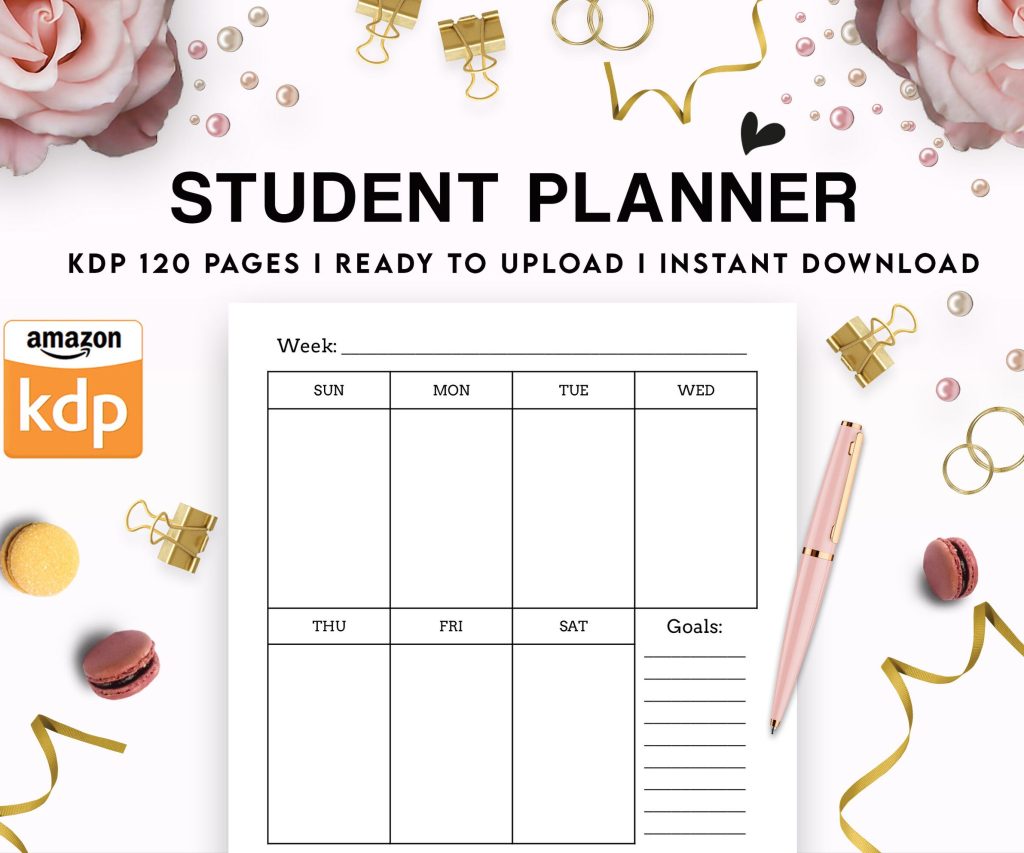 Student Planner Journal 120 pages Ready to Upload PDF Commercial Use KDP Template 6x9" 8.5x11" for Low Content book
1 × $0.00
Student Planner Journal 120 pages Ready to Upload PDF Commercial Use KDP Template 6x9" 8.5x11" for Low Content book
1 × $0.00
Subtotal: $0.00

Okay so I’ve been helping authors with memoir samples for like three years now and the biggest thing people get wrong is they think a sample needs to be this polished perfect chapter but honestly the best memoir samples are kinda messy in a good way, you know?
So last week I was reviewing this manuscript for a client and she’d written this beautiful opening about her grandmother’s kitchen but it was so… generic? Like yeah it smelled like cinnamon and love or whatever but I couldn’t SEE it. Compare that to another sample I read where the author wrote about finding her dad’s hidden cigarette pack in the garage behind the paint cans and how she knew exactly which brand he smoked (Marlboro Reds) because she’d memorized the package design by age seven. That second one? That’s what sells memoirs.
The specificity is everything. When you’re pulling together samples, you gotta remember that readers aren’t buying your life story because your life was extraordinary. They’re buying it because you made ordinary moments feel significant through details that hit different.
I used to tell clients to always open with the most dramatic moment. Car crash, divorce papers being served, whatever. But then I read this sample from a nurse writing about dementia care and she opened with… changing bedsheets. Except she described how her patient’s daughter had brought in sheets from home, these floral ones from the 70s that didn’t fit the hospital bed right, and how they kept coming untucked. The whole sample was basically about wrestling with these sheets while having this profound conversation about letting go.
It was like 800 words about SHEETS and I couldn’t stop reading.
Okay so here’s where people get tripped up with memoir samples and I see this literally every week in the manuscripts I review. They try to do this whole “beginning middle end” thing in like 1500 words and it feels rushed. What works better is more like… a moment that breathes?
Think of it as a scene from your life that has:
Wait I forgot to mention – the length thing. Amazon’s “Look Inside” feature typically shows 10% of your book, so if you’re uploading a full memoir, readers are gonna see whatever comes first. But for marketing samples or your website or Medium or wherever, I usually say keep it between 1000-2000 words. Long enough to establish your voice, short enough that people actually finish it.
Your memoir voice shouldn’t sound like you’re writing your college essay or trying to impress your English teacher. It should sound like you’re telling a story to someone who actually cares. Which means contractions, sentence fragments, tangents that kind of go somewhere.
I’ve got this client who’s writing about growing up in rural Montana and her first draft was so stiff. “My father was a man of few words who expressed affection through actions rather than verbal communication.” Like okay cool but also NO. Her revised version: “Dad didn’t say I love you. He fixed your car and left beef jerky on the passenger seat.”
See the difference? The second one makes me want to know more about Dad. The first one makes me want to take a nap.
So I’ve published like 200+ books and tested different sample approaches and here’s what I’ve noticed sells:
The Prologue Approach: You open with a moment from later in the story – something with stakes – then your actual Chapter One goes back to explain how you got there. This works really well for memoirs about overcoming something specific. Addiction, illness, abuse, whatever. The prologue gives readers a reason to care about the backstory that’s coming.
The “Here’s Where It Started” Opening: You just… start at the beginning of whatever arc you’re writing about. But you make the beginning interesting by focusing on sensory details and what you were thinking at the time. I saw this work great for a travel memoir where the author opened with packing her suitcase wrong and having to repack it three times at the airport. Super mundane but the way she described her anxiety about the trip through the lens of folding shirts? Chef’s kiss.
The Reflection Frame: This is where you start in present day looking back, then transition into a scene from the past. Like “I’m forty now and I still can’t eat strawberries without thinking about that summer” and then BOOM you’re in the past tense telling us about that summer. This one’s tricky because it can feel gimmicky but when it works it really works.
Oh and another thing – people always ask me about trigger warnings in samples. If your memoir deals with heavy stuff (and honestly what memoir doesn’t), I usually suggest giving readers a heads up somewhere but not making it the first thing they see. Like maybe in your book description or author’s note, not in the opening paragraph of your sample.
Okay so this is gonna sound weird but one of the best performing samples I helped develop was about someone’s relationship with their body during pregnancy and it opened with her throwing up in a Wendy’s bathroom. Not glamorous at all. But the way she described the fluorescent lighting and the automatic air freshener that kept going off every two minutes while she was trying not to die? People connected with that.
Another one that did really well – and this surprised me – was a guy writing about his divorce who opened with the scene of dividing up their book collection. Not the fight, not the lawyers, just… standing in their living room deciding who gets which books and what that meant about who they’d been as a couple. He included this detail about how they both reached for the same cookbook at the same time and then both let go of it like it was radioactive. That image stuck with people.
Look I’m just gonna be real with you here. These openings make me close the sample immediately:
My cat just knocked over my coffee which feels appropriate because memoir writing is chaotic like that. You think you’re gonna write this clean narrative and then real life is messy and that’s actually what makes it good.
Since you’re probably putting this on Amazon eventually, here’s the practical stuff. Your “Look Inside” sample needs to hook readers fast because they’re literally judging your whole book by like the first 5-6 pages. That means:
First paragraph better be interesting. Not beautiful, not poetic – interesting. Make me want to know what happens next or what happened before or who this person is.
First page should establish voice clearly. If you’re funny, be funny on page one. If you’re contemplative, be that. Don’t save your personality for chapter three.
Include some kind of forward momentum. This doesn’t mean action movie stuff but like… give me a reason to turn the page. A question raised, a tension introduced, something.
I tested this with two versions of the same memoir sample last year. Version A had this beautiful descriptive opening about a landscape. Version B opened with a single line of dialogue: “Your mother’s in the car and she won’t come inside.” Version B got 3x more clicks to purchase. People want to know what’s happening with mom in the car, right?
This is boring but matters – break up your paragraphs more than you think you should. Big blocks of text make people bounce on digital screens. I usually say no paragraph longer than 4-5 lines on a standard page.
White space is your friend. Dialogue helps with this naturally because you’re breaking lines for different speakers. But even in sections that are all internal monologue or description, find places to breathe.
Before you commit to your sample being the opening of your book, test it somewhere. I usually tell clients to:
Post it on Medium or Substack and see what happens. Track where people stop reading (both platforms give you analytics). If everyone’s dropping off at paragraph four, paragraph four is the problem.
Share it in a writing group but like, a good one where people give real feedback not just “wow this is amazing.” You want someone to tell you where they got confused or bored.
Read it out loud. I know everyone says this but seriously – you’ll catch weird phrasing and places where the rhythm is off. Your memoir should sound like you talking, and reading aloud helps you hear where it doesn’t.
Wait I should mention – some people do really well with starting their memoir sample in the middle of action or conflict. There’s this author I worked with who was writing about teaching in an underfunded school district and she opened with a lockdown drill gone wrong. Not like dangerous wrong but chaotic-funny wrong. It worked because it threw you right into her daily reality and THEN she could unpack the bigger context.
Okay last thing because this comes up constantly. People get scared about being too honest in memoir samples because what if their family reads it or whatever. But here’s the deal – the samples that perform best are the ones where the author is willing to be genuinely vulnerable about something specific. Not trauma dumping, not oversharing, just… honest about a real human experience.
You don’t gotta air all your dirty laundry in the sample. But you do need to show readers that you’re willing to go to real places emotionally. Otherwise why are they reading a memoir instead of just a Wikipedia entry about your life topic?
The sample is basically your audition for readers’ time and money. Make it count by being specific, honest, and interesting rather than trying to be impressive or literary or whatever you think a memoir “should” sound like.
DISCOVER OUR FREE BEST SELLING PRODUCTS
Editable Canva Lined Journal: Express Your Thoughts – KDP Template
Lined Pages Journal 120 pages Ready to Upload PDF Commercial Use KDP Template 6×9 8.5×11 5×8 for Notebooks, Diaries, Low Content
Lined Pages Journal 120 pages Ready to Upload PDF Commercial Use KDP Template 6×9 8.5×11 5×8 for Notebooks, Diaries, Low Content
Cute Dogs Coloring Book for Kids | Activity Book | KDP Ready-To-Upload
Daily Planner Diary : Diary Planners for Everyday Productivity, 120 pages, 6×9 Size | Amazon KDP Interior
Wolf Coloring KDP interior For Adults, Used as Low Content Book, PDF Template Ready To Upload COMMERCIAL Use 8.5×11"
Coloring Animals Head Book for Kids, Perfect for ages 2-4, 4-8 | 8.5×11 PDF
Printable Blank Comic Book Pages PDF : Create Your Own Comics – 3 Available Sizes
Notes KDP interior Ready To Upload, Sizes 8.5×11 6×9 5×8 inch PDF FILE Used as Amazon KDP Paperback Low Content Book, journal, Notebook, Planner, COMMERCIAL Use
Black Lined Journal: 120 Pages of Black Lined Paper Perfect for Journaling, KDP Notebook Template – 6×9
Student Planner Journal 120 pages Ready to Upload PDF Commercial Use KDP Template 6×9" 8.5×11" for Low Content book
Recipe Journal Template – Editable Recipe Book Template, 120 Pages – Amazon KDP Interior