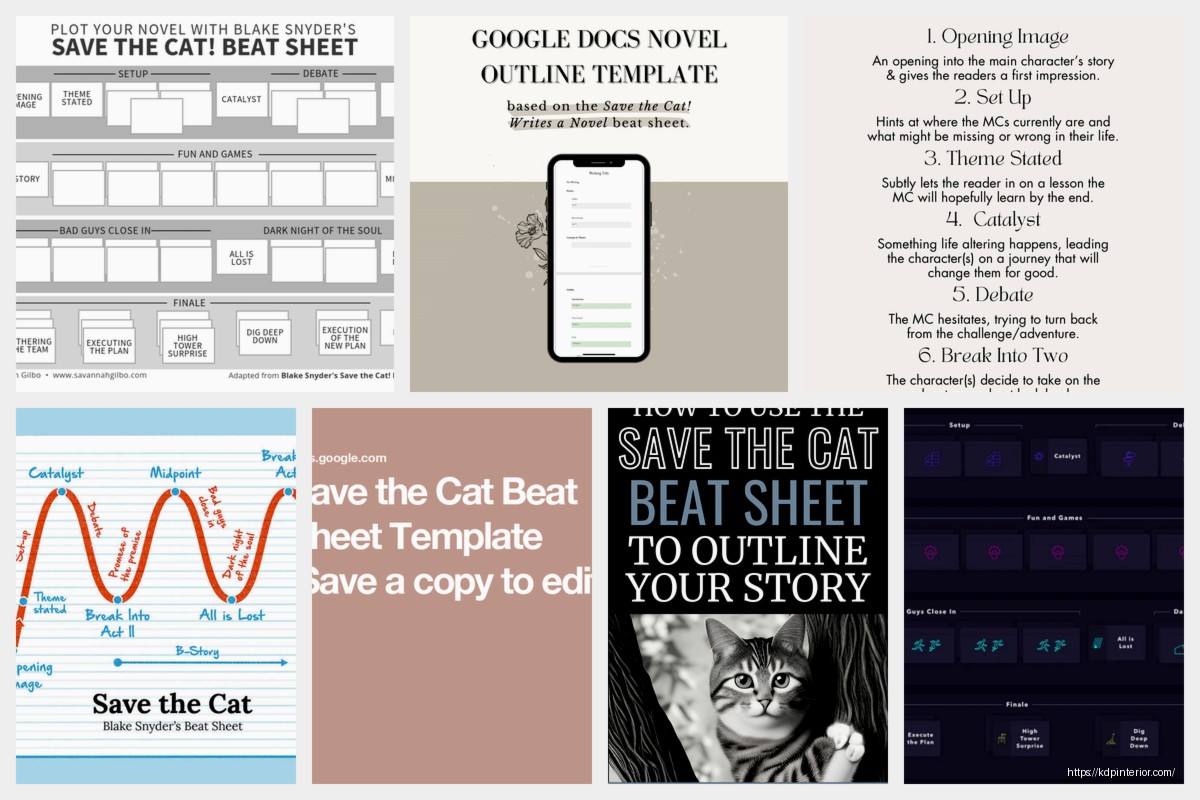
Okay so the Save the Cat template is basically this screenwriting structure that Blake Snyder came up with and honestly, it’s probably the most practical story framework I’ve used for plotting out books. Even though it’s designed for screenplays, I use it for outlining fiction all the time because it just… works.
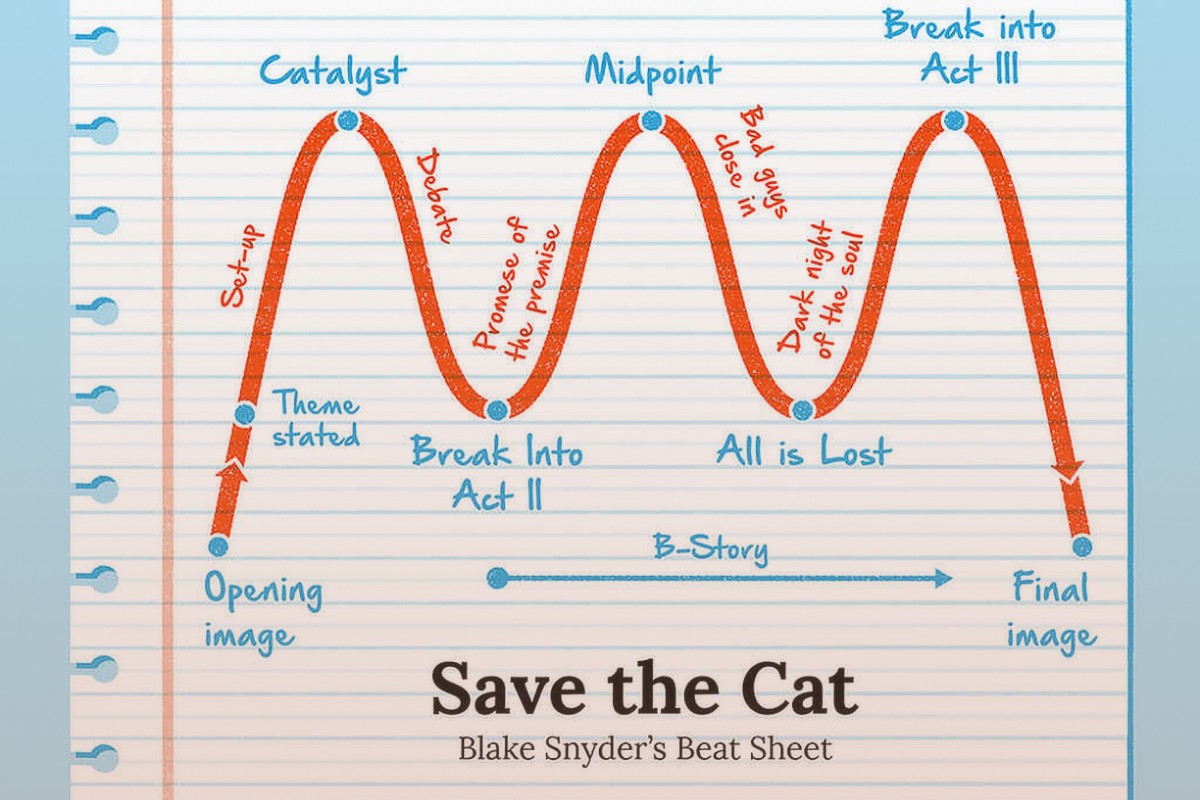
The whole thing breaks down into 15 beats. That’s what Snyder called them—story beats. And before you think this is gonna be super rigid and kill your creativity or whatever, it’s actually the opposite. Once you know the structure, you can mess with it, but having that skeleton there makes the actual writing so much easier.
The Opening Image (Beat 1)
So this is literally the first scene or image of your story. It’s supposed to show your main character’s world BEFORE everything changes. Snyder said this should contrast with your final image—like a before and after snapshot.
When I’m plotting a book, I actually write this beat last sometimes because then I know exactly what needs to contrast with the ending. But the idea is you’re showing the reader who this person is right now, in their normal (usually flawed or incomplete) life.
Theme Stated (Beat 2)
This one’s subtle. Somewhere in the first 5-10% of your story, someone usually says something to the main character that hints at what they need to learn. It’s not preachy, it’s just… there. The protagonist doesn’t get it yet, but the reader/viewer should pick up on it later.
Like in a romance, someone might say “you can’t control everything” to a control-freak character. They brush it off, but that’s gonna be the whole lesson they learn by the end.
I’ll be honest, this is the beat I forget about most often when I’m outlining. Then I go back and wedge it in somewhere early.
Set-Up (Beat 3)
This is your first 10% basically. You’re showing the protagonist’s world, their daily life, their relationships, their problems. Snyder called this the “thesis statement” of who they are before change happens.
The key here is you gotta show what’s NOT working in their life. Even if they seem successful on the outside, something’s missing or broken. That’s what makes the audience root for change.
I usually spend way too much time in this section when I’m drafting because I get attached to world-building, but you gotta move things along. Setup shouldn’t drag.
Catalyst (Beat 4)
Okay so this is the inciting incident. The big thing that happens that changes everything. It’s usually around the 10% mark of your story.
Someone dies, they get fired, they meet someone, they receive a mysterious letter—whatever. It’s the thing that disrupts their normal world and sets the story in motion.
This beat has to be external and obvious. It’s not an internal realization, it’s an EVENT. Something happens TO your character that they can’t ignore… well, actually they try to ignore it in the next beat but you know what I mean.
Debate (Beat 5)
After the catalyst, your protagonist doesn’t just jump into action. They hesitate. They debate whether to accept the call to adventure or whatever. Should I do this? Can I do this? What if I just… don’t?
This section is usually pretty short, maybe 5% of your story. But it’s important because it makes your character feel human. Nobody just immediately accepts massive life changes without at least thinking about it.
Oh and another thing—this is where you can show their fear or the stakes of what might happen if they move forward.
Break Into Two (Beat 6)
Around the 20-25% mark, your protagonist makes a CHOICE. They decide to enter the new world, accept the challenge, start the journey. This is Act Two beginning.
Snyder was really specific that this needs to be a choice, not something that just happens to them. Even if circumstances are pushing them, they have to actively decide to move forward. That agency matters.
In romance, this might be agreeing to the fake dating scheme or whatever. In a thriller, it’s deciding to investigate. In fantasy, it’s leaving the village. You get it.
B Story (Beat 7)
This is usually the subplot that starts around now. A lot of times it’s a relationship—not necessarily romantic, could be a friendship, a mentor, whatever. But it’s the subplot that’s gonna help reinforce the theme.
Like if your main plot is about a detective solving a case, the B story might be them dealing with their estranged daughter. The B story usually reflects or comments on what the A story is teaching them.
I was watching this show the other day where they completely dropped the B story halfway through and it felt so weird, like something was missing even though the main plot was fine.
Fun and Games (Beat 8)
This is the section from about 25-50% and honestly, it’s my favorite part to write. This is the “promise of the premise”—it’s why someone picked up your book or bought a ticket to the movie.
If it’s a heist story, this is the heist planning and execution. If it’s a romance, this is the fun banter and falling in love part. If it’s survival horror, this is the creepy stuff happening.
Basically, you’re delivering on whatever hook got people interested. The stakes aren’t super high yet, things are still relatively fun or exciting. Your character is proactive and trying stuff.
Don’t rush through this section. This is usually where readers are most engaged because you’re giving them what they came for.
Midpoint (Beat 9)
Right at the 50% mark, something major happens. Snyder said this is either a “false victory” or a “false defeat.”
False victory: everything seems great! They got what they wanted! But actually, things are about to get worse.
False defeat: everything seems terrible! All is lost! But actually, this is gonna push them to try harder.
Either way, the midpoint raises the stakes. Time clocks start ticking, consequences become more serious, and your protagonist can’t just coast anymore. The second half of Act Two is gonna be harder than the first half.
Also at the midpoint, there’s usually a moment where things move from the character being reactive to being proactive, or vice versa. The energy shifts.
Bad Guys Close In (Beat 10)
From about 50-75%, things get progressively worse. External pressure mounts—enemies regroup, plans fall apart, obstacles multiply. Internal pressure also builds—the team starts fighting, relationships strain, doubt creeps in.
This section should feel like things are falling apart piece by piece. Even if there are small victories, the overall trend is downward. You’re building toward the lowest point.
I always think of this as the “everything that can go wrong does go wrong” section. It’s tough to write sometimes because you’re basically torturing your characters, but it’s necessary.
All Is Lost (Beat 11)
Around 75%, you hit rock bottom. This is the lowest point of the story. Something really bad happens—a death, a betrayal, a major failure. The thing your protagonist was trying to prevent… happens.
Snyder called this the “whiff of death” beat. Sometimes someone literally dies (a mentor figure is common), but if not, there’s still some kind of death—of hope, of a dream, of innocence, of a relationship.
This beat needs to hit hard. The reader should genuinely wonder how the protagonist is gonna recover from this.
Dark Night of the Soul (Beat 12)
After “All Is Lost,” your character wallows. This is the emotional aftermath, usually pretty brief. They’re defeated, they’ve given up, they don’t know what to do.
This is different from the Debate section earlier. Back then, they were deciding whether to try. Now, they HAVE tried, and they’ve failed. This is deeper despair.
But something’s gotta pull them out of it…
Break Into Three (Beat 13)
Around 80%, something happens that gives your protagonist a realization or a solution. Often the B story character shows up here and says or does something that helps them figure it out.
This is when they finally understand the theme that was stated way back in beat 2. They have their “aha!” moment. They see what they need to do differently.
And then they make a choice—again, it’s gotta be active—to go into Act Three and try one more time, but now with new understanding or a new approach.
Finale (Beat 14)
The last 20% is the climax and resolution. But Snyder broke this down into five specific steps:
- Gathering the team – protagonist brings everyone together, makes a plan
- Executing the plan – they storm the castle, confront the villain, whatever
- High tower surprise – something unexpected happens, a twist
- Dig deep down – protagonist has to use what they learned to overcome this final obstacle
- Execution of new plan – they try again with their new approach and succeed
You don’t have to follow these five mini-beats exactly, but the idea is the finale should be active and build toward a climax where the protagonist applies their character growth to achieve the external goal.
Final Image (Beat 15)
Last scene or image. This should mirror and contrast the opening image. It shows how much things have changed. Same character, same world maybe, but everything’s different now because of what happened.
If the opening showed them alone in a messy apartment, the closing might show them in that same apartment but now it’s clean and someone they love is there with them. Visual proof of transformation.
Actually Using This Thing
So when I’m plotting a book using Save the Cat, I literally just make a spreadsheet or document with these 15 beats listed out. Then I figure out what happens in each one for my specific story.
The page count percentages are flexible—they’re just guidelines. But they’re surprisingly accurate for pacing. If your midpoint is happening at 30% instead of 50%, your story’s probably gonna feel front-loaded.
You can also use this to reverse-engineer stories you love. Watch a movie or read a book and mark where each beat happens. You’ll start seeing the pattern everywhere once you know it.
Wait I forgot to mention—the “Save the Cat” title comes from Snyder’s idea that early in the story, you should show your protagonist doing something that makes us like them. Could be literally saving a cat, or helping someone, or showing vulnerability. Just something that makes them sympathetic even if they’re flawed.
This template has honestly saved me so many times when I’m stuck in the middle of a manuscript. I just check which beat I’m supposed to be at and what needs to happen, and suddenly I know what scene to write next. It’s not gonna write the book for you but it gives you a roadmap when everything feels like chaos.

 Cute Dogs Coloring Book for Kids | Activity Book | KDP Ready-To-Upload
1 × $0.00
Cute Dogs Coloring Book for Kids | Activity Book | KDP Ready-To-Upload
1 × $0.00  Lined Pages Journal 120 pages Ready to Upload PDF Commercial Use KDP Template 6x9 8.5x11 5x8 for Notebooks, Diaries, Low Content
1 × $0.00
Lined Pages Journal 120 pages Ready to Upload PDF Commercial Use KDP Template 6x9 8.5x11 5x8 for Notebooks, Diaries, Low Content
1 × $0.00 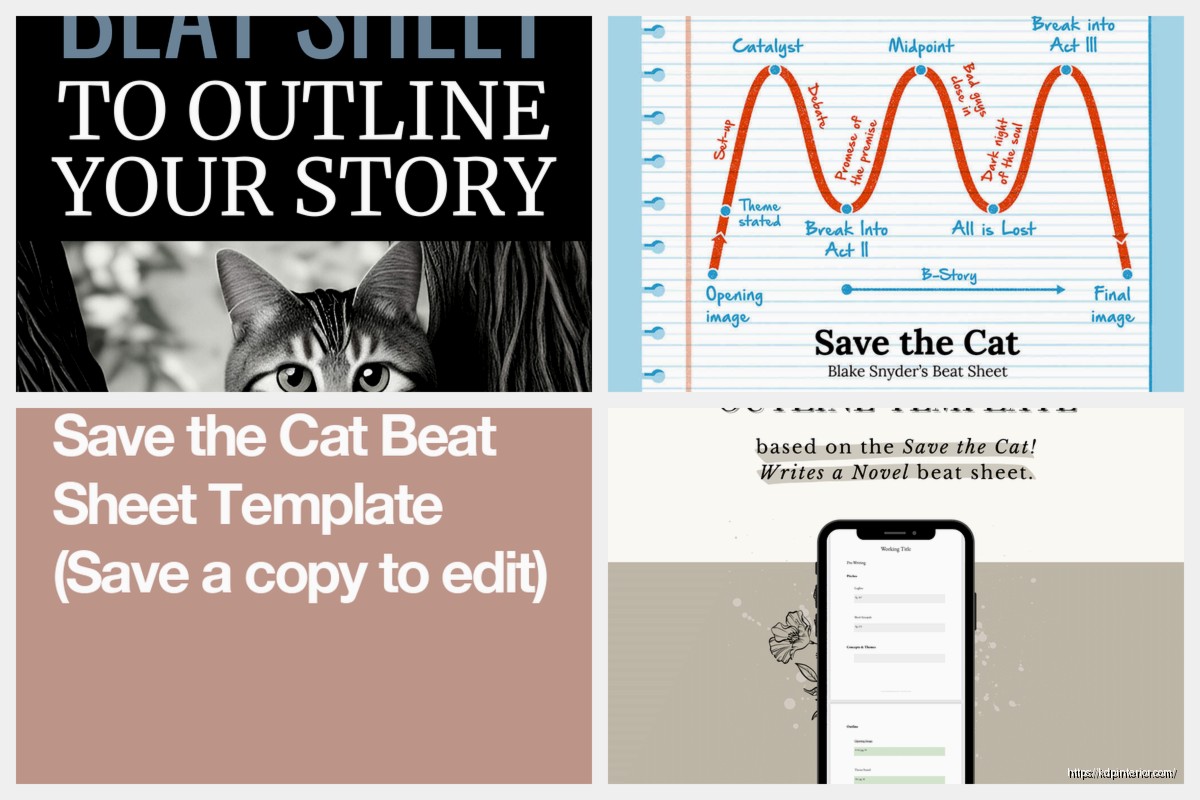
DISCOVER OUR FREE BEST SELLING PRODUCTS
Editable Canva Lined Journal: Express Your Thoughts – KDP Template
Lined Pages Journal 120 pages Ready to Upload PDF Commercial Use KDP Template 6×9 8.5×11 5×8 for Notebooks, Diaries, Low Content
Lined Pages Journal 120 pages Ready to Upload PDF Commercial Use KDP Template 6×9 8.5×11 5×8 for Notebooks, Diaries, Low Content
Cute Dogs Coloring Book for Kids | Activity Book | KDP Ready-To-Upload
Daily Planner Diary : Diary Planners for Everyday Productivity, 120 pages, 6×9 Size | Amazon KDP Interior
Wolf Coloring KDP interior For Adults, Used as Low Content Book, PDF Template Ready To Upload COMMERCIAL Use 8.5×11"
Coloring Animals Head Book for Kids, Perfect for ages 2-4, 4-8 | 8.5×11 PDF
Printable Blank Comic Book Pages PDF : Create Your Own Comics – 3 Available Sizes
Notes KDP interior Ready To Upload, Sizes 8.5×11 6×9 5×8 inch PDF FILE Used as Amazon KDP Paperback Low Content Book, journal, Notebook, Planner, COMMERCIAL Use
Black Lined Journal: 120 Pages of Black Lined Paper Perfect for Journaling, KDP Notebook Template – 6×9
Student Planner Journal 120 pages Ready to Upload PDF Commercial Use KDP Template 6×9" 8.5×11" for Low Content book
Recipe Journal Template – Editable Recipe Book Template, 120 Pages – Amazon KDP Interior