okay so here’s what you gotta know about selling internationally on KDP
I was literally just updating my dashboard last Tuesday around 2am because insomnia is real, and I noticed one of my planners was getting consistent sales from Germany and Japan. Like not huge numbers but steady. That’s when it hit me again how much money people leave on the table by not thinking beyond the US marketplace.
So first thing – when you publish on KDP, you’re automatically enrolled in their expanded distribution which sounds fancy but really just means your book can be sold on other Amazon marketplaces. Amazon.co.uk, Amazon.de, Amazon.fr, Amazon.ca, Amazon.com.au, and a bunch more. But here’s the thing nobody tells you… just because it CAN be sold there doesn’t mean it’s optimized for those markets.
The Dashboard Setup Most People Miss
Go into your KDP dashboard right now. Under each book, there’s a “Marketplace” section where you can see which territories your book is available in. You’ve got like 40+ countries technically available but the main money makers are gonna be:
- United Kingdom (Amazon.co.uk)
- Germany (Amazon.de)
- France (Amazon.fr)
- Spain (Amazon.es)
- Italy (Amazon.it)
- Japan (Amazon.co.jp)
- Canada (Amazon.ca)
- Australia (Amazon.com.au)
- Netherlands (Amazon.nl)
- India (Amazon.in)
My dog just knocked over my coffee cup so give me a sec… okay back.
Pricing Strategy That Actually Works
Here’s where people mess up – they just let Amazon auto-convert their US pricing to other currencies. Don’t do this. You need to manually set prices for each marketplace because the purchasing power and competition is different everywhere.
Like I’ve got a notebook that sells for $8.99 in the US. In the UK, I price it at £6.99 not £6.50 or whatever the direct conversion would be. Why? Because I spent like three hours one Saturday (was supposed to be working on client stuff but whatever) analyzing the top 100 notebooks in the UK marketplace and that’s the sweet spot for that category.
For Germany, my pricing is usually slightly lower than the US equivalent because the market is more price-sensitive for low-content books. Japan is interesting because they actually pay MORE for quality planners and journals. I’ve got a weekly planner at $12.99 US that I sell for ¥2,200 in Japan which is like $15-16 USD equivalent and it sells fine.
The Language Thing Everyone Overthinks
Wait I forgot to mention – you don’t necessarily need to translate everything. Hear me out on this.

For low-content books like planners, journals, notebooks, logbooks… the interior is mostly blank pages or simple templates right? Your main text is just headers and prompts. I’ve had tons of success selling English-language planners in non-English markets. People in Germany, Netherlands, France… lots of them use English for their planning and journaling. It’s like a professional/international thing.
BUT – and this is important – your book description and keywords absolutely need to be in the local language for those markets. Don’t just run it through Google Translate though because it’ll sound robotic and weird. I use a combo of DeepL (better than Google for European languages) and then pay someone on Upwork like $10-15 per listing to clean it up and make it natural.
The Keywords Game Changes Per Market
This is gonna sound weird but you need to research keywords separately for each major market. What people search for in the US isn’t what they search for in the UK even though it’s the same language.
Example: “planner” is huge in the US. In the UK, “diary” and “organiser” (with an S not Z) get way more searches for the same type of product. In Germany, “Notizbuch” isn’t just notebook, it’s what people search for when they want journals too. These little differences add up.
I use Publisher Rocket for US keywords but for international markets I literally just spend time on those Amazon sites using the search bar and seeing what autocomplete suggestions pop up. Yeah it’s manual and kinda tedious but it works.
Cover Design Considerations
Oh and another thing – visual preferences vary by market. My client canceled last month so I spent a few hours comparing top sellers across different marketplaces and the patterns are obvious once you look.
UK market loves minimalist, clean designs. Like really stripped back. Germany too. France and Italy tend to go for more decorative, artistic covers. Japan is all about cute or extremely professional – there’s not much middle ground. Australia follows US trends pretty closely.
I had this floral journal that did okay in the US, like maybe 5-10 sales a month. Same exact book, didn’t change anything, suddenly started selling 20-30 copies monthly in France and Italy. Just resonated better with their aesthetic preferences I guess.
Tax Stuff You Can’t Ignore
Alright so taxes are annoying but necessary to talk about. Amazon handles VAT (Value Added Tax) for European countries which is nice because that used to be a nightmare. They automatically calculate and collect it.
For the UK post-Brexit, there’s separate tax handling now. Amazon also manages this but you need to make sure your tax interview in KDP is complete and up-to-date. I see people freaking out about this in Facebook groups but honestly if you just fill out the tax questionnaire properly when you set up your account, Amazon handles the withholding.
Canada and Australia don’t have the same VAT complexity. Japan has consumption tax but again, Amazon deals with it. India is its own beast with GST but if you’re not living there, Amazon manages it on your behalf.
Which Markets to Target First
If you’re just starting with international expansion, don’t try to optimize for everywhere at once because you’ll burn out. Here’s my recommendation based on actual revenue I’ve tracked:
Start with UK – Same language, easy to adjust your descriptions, similar buying behavior to US. This should be your first move.
Then Germany – Biggest European market, people buy a lot of books and planners, you just need translated descriptions.
Then Canada and Australia – English-speaking, easy wins, though smaller markets.

Then Japan if your niche fits – They LOVE planners, organizers, specialized logbooks. One of my tracking logs for a specific hobby sells like 70% of its copies in Japan vs US.
France, Spain, Italy come after that. India is growing but pricing has to be significantly lower and profit margins are thin.
The Reporting Reality
Your KDP reports show sales by marketplace which is helpful but also kinda frustrating because you can’t run ads on all marketplaces. Amazon Ads only works on certain platforms – US, UK, Germany, France, Spain, Italy, Japan, and Canada.
For other markets you’re relying purely on organic ranking which means your keywords and description optimization matter even more. I’ve got books selling steadily in Netherlands and Australia without any ad spend, just from people finding them through search.
Currency Fluctuations Are Real
Something I didn’t think about in my first couple years – exchange rates affect your actual revenue. Amazon pays you in your local currency (or whatever you set up) but converts from the sale currency. When the dollar is strong vs euro or pound, you make less per sale from those markets in USD terms. When it’s weak, you make more.
I don’t obsess over this because it evens out over time but it’s something to be aware of. Some months my international revenue looks way different just because of currency movement not actual sales changes.
Books That Work Better Internationally
Okay so funny story – I published this super specific logbook for tracking aquarium water parameters. Flopped in the US, like maybe 2 sales a month. For some reason it took off in Germany and UK. Now it makes about $200-300 monthly mostly from European sales.
Generally I’ve found that:
- Niche hobby trackers do well internationally because the hobby communities are tight and global
- Professional planners and business organizers sell great in Germany and Japan
- Creative journals and artistic books perform well in France and Italy
- Simple, functional notebooks sell everywhere consistently
- Highly US-cultural stuff (like American football scorebooks or US tax planners obviously) don’t translate
Quick Wins You Can Do Today
If you’ve already got books published and you wanna start getting international sales without a huge time investment:
- Go optimize your UK listings – translate American spellings to British (color to colour, organize to organise, etc.) in your description and keywords
- Set manual pricing for UK, Germany, and Canada instead of auto-conversion
- Check which books are already getting random international sales and double-down on optimizing those specifically
- Join the KDP UK and KDP Germany seller forums (yes they exist) and lurk to understand those markets
- Create a spreadsheet tracking your sales by marketplace so you can see patterns over time
The Long Game Perspective
I’m watching The Last of Us while writing this so my brain is kinda scattered but here’s the real talk – international markets aren’t gonna make you rich overnight. My first year actively optimizing for international, it added maybe 15-20% to my overall revenue. Now it’s more like 35-40% of my total KDP income.
It compounds though. Every book you publish moving forward, you’re thinking internationally from day one. You’re pricing strategically for multiple markets, you’re using keywords that work across regions, you’re avoiding super US-specific cultural references in your covers and titles.
I’ve got 200+ books published and probably only 60-70 of them are properly optimized for international markets. Those 60-70 do about 3x the revenue per book of my US-only optimized ones. That should tell you something.
Common Mistakes I See All the Time
People publish a book, see it’s not selling in the US, and give up. They don’t check if maybe it’s actually doing fine in Germany or UK. Check ALL your marketplaces regularly.
They use American slang or cultural references in titles thinking it doesn’t matter. It does. “Mom’s planner” works great in US but in UK you should have “Mum’s planner” as a separate edition or at least mention both in keywords.
They ignore smaller markets completely. Netherlands is small but it’s also less competitive and people there have high purchasing power. I make steady money from Dutch sales with zero optimization, imagine if I actually tried.
They don’t adjust cover text for language. If your cover has words on it, you gotta create separate versions for different language markets if you want maximum conversion. Yes it’s more work upfront but it pays off.
Anyway that’s basically the rundown on international KDP stuff. It’s not complicated once you get into the rhythm of it, just requires thinking beyond the US marketplace bubble most sellers stay in.

 Lined Pages Journal 120 pages Ready to Upload PDF Commercial Use KDP Template 6x9 8.5x11 5x8 for Notebooks, Diaries, Low Content
1 × $0.00
Lined Pages Journal 120 pages Ready to Upload PDF Commercial Use KDP Template 6x9 8.5x11 5x8 for Notebooks, Diaries, Low Content
1 × $0.00 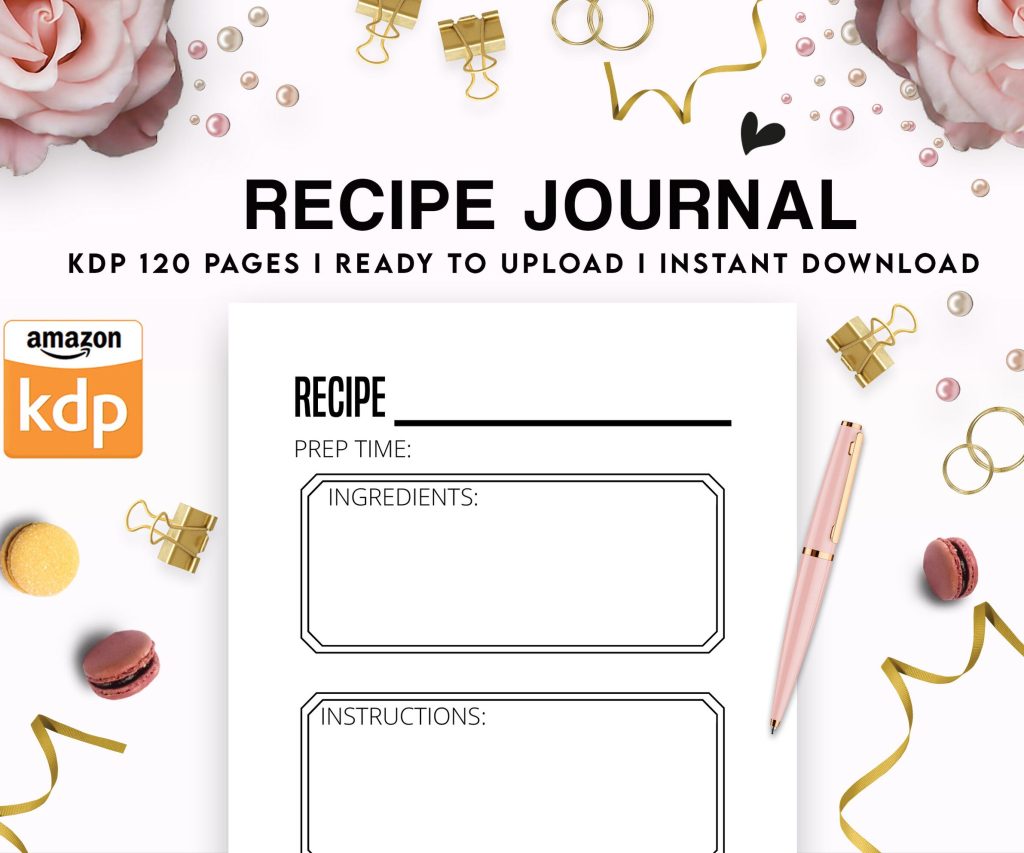 Recipe Journal Template - Editable Recipe Book Template, 120 Pages - Amazon KDP Interior
1 × $0.00
Recipe Journal Template - Editable Recipe Book Template, 120 Pages - Amazon KDP Interior
1 × $0.00 
DISCOVER OUR FREE BEST SELLING PRODUCTS
Editable Canva Lined Journal: Express Your Thoughts – KDP Template
Lined Pages Journal 120 pages Ready to Upload PDF Commercial Use KDP Template 6×9 8.5×11 5×8 for Notebooks, Diaries, Low Content
Lined Pages Journal 120 pages Ready to Upload PDF Commercial Use KDP Template 6×9 8.5×11 5×8 for Notebooks, Diaries, Low Content
Cute Dogs Coloring Book for Kids | Activity Book | KDP Ready-To-Upload
Daily Planner Diary : Diary Planners for Everyday Productivity, 120 pages, 6×9 Size | Amazon KDP Interior
Wolf Coloring KDP interior For Adults, Used as Low Content Book, PDF Template Ready To Upload COMMERCIAL Use 8.5×11"
Coloring Animals Head Book for Kids, Perfect for ages 2-4, 4-8 | 8.5×11 PDF
Printable Blank Comic Book Pages PDF : Create Your Own Comics – 3 Available Sizes
Notes KDP interior Ready To Upload, Sizes 8.5×11 6×9 5×8 inch PDF FILE Used as Amazon KDP Paperback Low Content Book, journal, Notebook, Planner, COMMERCIAL Use
Black Lined Journal: 120 Pages of Black Lined Paper Perfect for Journaling, KDP Notebook Template – 6×9
Student Planner Journal 120 pages Ready to Upload PDF Commercial Use KDP Template 6×9" 8.5×11" for Low Content book
Recipe Journal Template – Editable Recipe Book Template, 120 Pages – Amazon KDP Interior