-
×
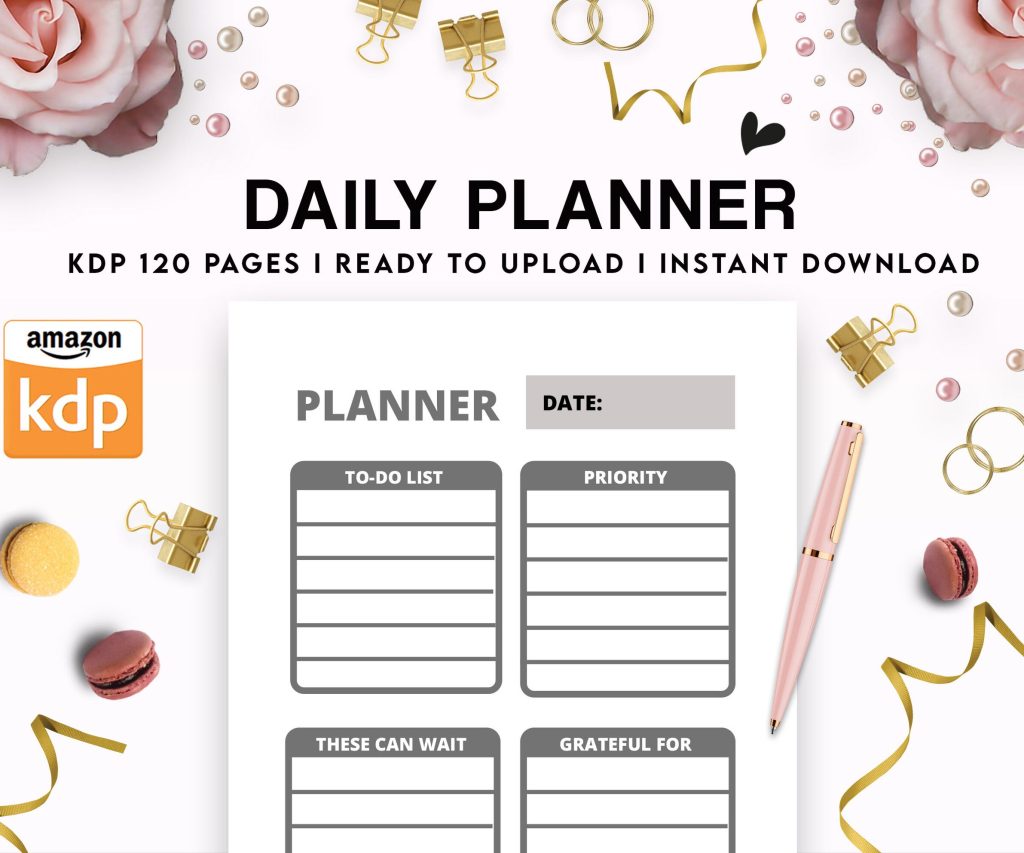 Daily Planner Diary : Diary Planners for Everyday Productivity, 120 pages, 6×9 Size | Amazon KDP Interior
1 × $0.00
Daily Planner Diary : Diary Planners for Everyday Productivity, 120 pages, 6×9 Size | Amazon KDP Interior
1 × $0.00
Subtotal: $0.00
 Daily Planner Diary : Diary Planners for Everyday Productivity, 120 pages, 6×9 Size | Amazon KDP Interior
1 × $0.00
Daily Planner Diary : Diary Planners for Everyday Productivity, 120 pages, 6×9 Size | Amazon KDP Interior
1 × $0.00 Subtotal: $0.00
Okay so here’s the thing about journals on KDP right now – the competition is absolutely insane but that doesn’t mean you can’t make money, you just gotta be smarter about it than the people uploading generic “daily planner” number 47,892.
I was looking at my sales dashboard last Tuesday at like 2am (couldn’t sleep, was binge-watching The Bear) and noticed something interesting. My best-selling journal isn’t actually my most beautiful one or the one with the fanciest interior. It’s the one that solves a super specific problem for a super specific person. That’s your whole game right there.
There are literally millions of journals on Amazon. I’m not exaggerating – search “journal” and you’ll see. But here’s what most people get wrong when they panic about competition: they think they need to compete with EVERYONE. You don’t. You need to find the gaps.
I use Helium 10 and Book Bolt for research, and the trick is looking at search volume versus number of results. Like if “gratitude journal” has 50,000 searches but 200,000 results, that’s rough. But “gratitude journal for nurses” might have 800 searches and only 2,000 results. Way better odds.
The bestseller rank (BSR) tells you everything. Anything under 100,000 in the Books category is selling at least a few copies per day. Under 50,000 is decent money. I aim for niches where the top 10 results have BSRs between 20,000-80,000 because that means there’s demand but it’s not totally saturated yet.
You need to think like your customer, not like a journal seller. Nobody wakes up thinking “I want a 120-page dotted journal with cream paper.” They think “I need something to track my anxiety” or “I want to plan my wedding.”
Problem-focused keywords are gold:
These convert way better than generic stuff because the person searching has a specific pain point they’re trying to solve.
Alright so differentiation isn’t about making your journal look pretty – I mean that helps, but it’s not the core thing. It’s about making someone look at your listing and think “oh shit, this one gets it.”
I’ve got a journal that’s specifically for people training for their first marathon. Not just a “running journal” – one that has specific prompts for first-timers, injury tracking, race day planning, all that. It sells consistently because it speaks directly to that person.
Another one I made is for teachers specifically in their first year. Has sections for parent communication logs, classroom management reflections, lesson planning. Regular teacher planners exist everywhere, but this one is JUST for newbies dealing with newbie problems.
The narrower you go, the easier your marketing becomes. Your keywords are clearer, your cover can speak directly to that person, your description writes itself.
Most people obsess over covers (we’ll get to that) but the interior is actually more important for long-term success because it affects reviews and repeat buyers.
Things I test constantly:
Oh and another thing – table of contents. Sounds boring but if your journal has different sections, a TOC makes it feel more professional and gets mentioned in reviews.
I use Canva for most interiors now because it’s fast, but for complex layouts I’ll use InDesign. Really depends on the project. My cat walked across my keyboard last week and somehow created the most interesting border design I’ve ended up using, so there’s that.
Your cover needs to do two things: stand out in search results (thumbnail size) and communicate what the journal is for immediately.
Text is huge. I see so many journals with gorgeous designs but you can’t read the title in thumbnail view. That’s an automatic loss. I always check my covers at like 150px width to see if they’re readable.
Color psychology matters more than you’d think. I A/B tested two identical journals with different color schemes – one with coral/gold (sold okay) and one with navy/rose gold (sold 3x better). Same niche, same everything else. Sometimes it’s just testing.
For differentiation on covers:
This is gonna sound weird but I’ve found that slightly higher prices actually help differentiation. If every journal in your niche is $6.99-$8.99 and you come in at $12.99, you’re positioning yourself as premium.
But you gotta back it up with a professional listing, great reviews, and an interior that justifies it. I have journals at different price points and the mid-tier ones ($9.99-$11.99) consistently perform best.
KDP’s royalty structure means you need to be strategic. Under $2.99 you only get 35% royalty, over that you get 70% (minus printing costs). I always aim for at least $9.99 because after printing costs on a 120-page journal, that’s where profit actually starts.
New journals die without reviews. Period. Even if your product is amazing, nobody buys the journal with zero reviews when there’s one next to it with 200 reviews.
Strategies that have worked for me:
Wait I forgot to mention – variation listings. If you have multiple journals in the same niche, you can’t combine them like regular products, but you CAN create a series and mention it in your descriptions. “Book 1 of the [Series Name]” stuff. Helps with brand building.
Your listing is a sales page. Treat it like one.
Title formula I use: [Main Benefit] + [Format] + [Specific Audience] + [Key Feature]
Example: “Anxiety Tracker Journal for Women: Daily Mood Tracker with Guided Prompts and Reflection Pages”
That tells you exactly what it is, who it’s for, and what’s inside. Compare that to “Beautiful Daily Journal” which tells you nothing.
Nobody reads paragraphs in bullet points. They scan for benefits. Each bullet should answer “what’s in it for me?”
Bad bullet: “Features 120 pages of high-quality paper”
Good bullet: “120 pages of thick, cream-colored paper that prevents bleed-through – perfect for gel pens and markers”
See the difference? One is a feature, one is a benefit with a specific use case.
I front-load my bullets with the strongest benefits. First bullet is always the main transformation or solution. “Track your migraines and identify triggers to reduce frequency” hits harder than “Comprehensive migraine tracking system.”
Use HTML formatting in your description – headers, bold text, bullet points. Makes it scannable.
Structure I follow:
The “who it’s for” section is underrated. “This journal is perfect for new parents tracking sleep schedules, feeding times, and developmental milestones” does two things – makes the right person feel seen and stops random people from buying it then leaving bad reviews because it wasn’t what they expected.
One journal is cool. A series of journals is a business.
I’ve got a productivity niche where I have:
Same branding, same color scheme, same fonts. Someone buys one, they see the others in “customers also bought” and in my description. My average customer value went from $10 to $28 after building out series.
Brand consistency matters here. People need to recognize that these journals belong together. I use the same spine design, same author name, same style.
This isn’t really differentiation but timing matters. I start uploading Q1 journals (New Year’s resolution planners, habit trackers) in October. Wedding journals go up in November for January searches. Gratitude journals spike in November.
Getting your listings up 2-3 months early gives Amazon time to index them and you time to accumulate some reviews before the rush.
Okay so funny story – I once uploaded a journal with a typo in the interior that I didn’t catch until someone reviewed it. Had to take it down, fix it, reupload. Lost all my reviews and BSR momentum. Now I have a checklist I go through before every upload. Sounds boring but it’s saved my ass multiple times.
Keywords in your backend matter. You get 250 characters – use all of them. Don’t repeat words from your title, add related terms and synonyms. For a meal planning journal I’d include: menu planner, grocery list, recipe organizer, family meals, weekly meal prep, etc.
Amazon advertising can help but don’t start until you have at least 10 reviews. I usually wait for 15-20. Your conversion rate will be terrible without social proof and you’ll just burn money. When you do start, begin with automatic campaigns to see what Amazon thinks you should rank for, then build manual campaigns from the terms that convert.
The trim size thing – 6×9 is standard but I’ve had success with 8×10 for planners (more writing space) and 5×8 for pocket journals. Different sizes can help you stand out in search results visually too.
Page count sweet spot for me is 110-130 pages. Under 100 feels cheap, over 150 gets expensive to print and raises your minimum price. Test what works for your niche though.
Last thing – check your competition’s reviews, especially the 2-3 star ones. They tell you exactly what people wanted but didn’t get. That’s your opportunity. If everyone’s complaining that the lines are too close together, make yours with better spacing. If they wanted more prompts, add more prompts. Reviews are literally a roadmap for differentiation.
DISCOVER OUR FREE BEST SELLING PRODUCTS
Editable Canva Lined Journal: Express Your Thoughts – KDP Template
Lined Pages Journal 120 pages Ready to Upload PDF Commercial Use KDP Template 6×9 8.5×11 5×8 for Notebooks, Diaries, Low Content
Lined Pages Journal 120 pages Ready to Upload PDF Commercial Use KDP Template 6×9 8.5×11 5×8 for Notebooks, Diaries, Low Content
Cute Dogs Coloring Book for Kids | Activity Book | KDP Ready-To-Upload
Daily Planner Diary : Diary Planners for Everyday Productivity, 120 pages, 6×9 Size | Amazon KDP Interior
Wolf Coloring KDP interior For Adults, Used as Low Content Book, PDF Template Ready To Upload COMMERCIAL Use 8.5×11"
Coloring Animals Head Book for Kids, Perfect for ages 2-4, 4-8 | 8.5×11 PDF
Printable Blank Comic Book Pages PDF : Create Your Own Comics – 3 Available Sizes
Notes KDP interior Ready To Upload, Sizes 8.5×11 6×9 5×8 inch PDF FILE Used as Amazon KDP Paperback Low Content Book, journal, Notebook, Planner, COMMERCIAL Use
Black Lined Journal: 120 Pages of Black Lined Paper Perfect for Journaling, KDP Notebook Template – 6×9
Student Planner Journal 120 pages Ready to Upload PDF Commercial Use KDP Template 6×9" 8.5×11" for Low Content book
Recipe Journal Template – Editable Recipe Book Template, 120 Pages – Amazon KDP Interior