-
×
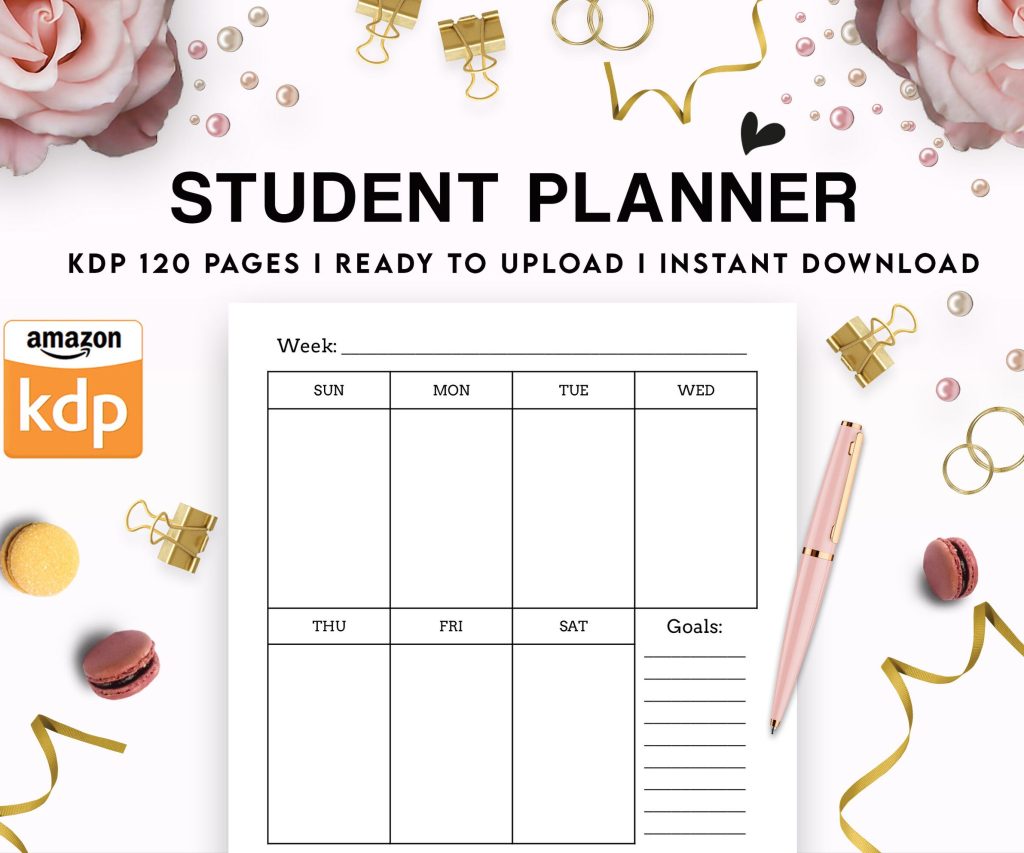 Student Planner Journal 120 pages Ready to Upload PDF Commercial Use KDP Template 6x9" 8.5x11" for Low Content book
1 × $0.00
Student Planner Journal 120 pages Ready to Upload PDF Commercial Use KDP Template 6x9" 8.5x11" for Low Content book
1 × $0.00
Subtotal: $0.00


Okay so here’s the thing about selling ebooks on Amazon – the product page is literally everything and most people get it completely backwards. I was watching some crime documentary last week while updating one of my listings and realized I’d been doing the same thing wrong for like two years.
The thumbnail is what people see first when they’re scrolling through search results. Not your amazing description, not your reviews – just that tiny 120px wide image. So your cover needs to work at thumbnail size which means you gotta test it. I literally open my covers in a new tab and zoom out until they’re thumbnail-sized. If I can’t read the title or if the image looks muddy, it’s not gonna convert.
Bold colors work better than subtle ones. Text needs to be THICK. I had this beautiful minimalist cover for a productivity planner that was getting like 0.3% conversion and when I switched to a brighter version with chunkier fonts it jumped to 2.1%. Same book, same price, just the cover.
Your subtitle on Amazon can be up to 199 characters and it shows up IN THE SEARCH RESULTS under your title. This is free real estate for keywords but also for selling the benefit. Instead of “A Guide to Better Sleep” I’ll write “A Guide to Better Sleep – 30 Science-Backed Techniques to Fall Asleep Faster and Wake Up Energized Without Medication”
See what I did there? Packed it with search terms (science-backed, fall asleep faster, wake up energized, without medication) but also told them exactly what they’re getting. That subtitle shows up everywhere – in search, on the product page, in emails. Use every character.
I know everyone says price at $2.99 to get the 70% royalty but honestly it depends on your genre and competition. What I do is look at the top 20 books in my category and make a spreadsheet of their prices. Then I price mine right in the middle of that range OR slightly below the average.
For new launches though I’ll go aggressive – like $0.99 for the first week to get some velocity and reviews, then bump to $2.99 or $3.99. The price change doesn’t hurt your ranking as much as people think. I’ve done this probably 40 times now and it works.
Oh and another thing – if you’re selling a series or bundle, price the first one cheaper. I have a three-book series on passive income strategies where book one is $2.99 and books two and three are $4.99 each. Book one converts at almost 4% and then about 30% of those buyers get the other two. That’s way more total revenue than pricing them all the same.
Don’t price ebooks above $9.99 unless you have a really good reason. Amazon’s algorithm seems to deprioritize them and your conversion rate will tank. I tested this with a comprehensive guide that I thought was worth $12.99 and it sold maybe 2 copies a day. Dropped it to $7.99 and suddenly 8-10 copies daily. The math actually worked out better at the lower price.
This was huge for me to learn. Your description isn’t supposed to tell people what happens in the book – it’s supposed to make them want to buy it. I structure mine like this:
The bullets are where you pack your secondary keywords too. Each bullet should start with a benefit or outcome. Instead of “Chapter 3 covers budgeting” write “Discover the 50/30/20 budgeting method that helped over 10,000 readers save $500+ monthly”
I use HTML formatting in the description – bold tags, headers, everything. Makes it way more scannable. Amazon’s description editor is annoying but you can paste HTML directly if you know what you’re doing.
Wait I forgot to mention – you can’t technically A/B test on Amazon but what I do is run the same book description structure through different angles. Like I’ll have version A focus on pain points and version B focus on aspirational outcomes. I’ll run version A for two weeks, check conversion rate, then swap to version B for two weeks.
Gotta make sure you’re comparing similar traffic volumes and seasons though. Don’t compare December to February, conversion rates are totally different during holiday shopping.
Amazon gives you seven backend keyword slots during book setup. Each one can be up to 50 characters. DO NOT waste these on keywords already in your title or subtitle – Amazon’s algorithm already indexes those. Use these seven for synonyms, related terms, and longtail phrases people might search.
For a keto cookbook I published, my visible keywords were “keto cookbook” and “low carb recipes” but my backend keywords were things like “ketogenic diet for beginners,” “LCHF meal prep,” “sugar free desserts,” “carb free snacks” etc.
Also this is gonna sound weird but – misspellings work. If people commonly misspell something related to your book, include it. “Receipes” instead of “recipes” catches people who can’t spell. Amazon’s search is smart but not that smart.
You get to pick two categories when you publish but you can contact Amazon KDP support to add up to eight more. I always do this. More categories = more chances to hit a bestseller badge = more conversion.
The trick is finding categories that are relevant but not super competitive. Instead of “Self-Help” which has 50,000 books, I’ll drill down to “Self-Help > Personal Transformation > Happiness” which might only have 3,000. Way easier to rank in the top 100 and get that orange bestseller flag.
That bestseller badge increases conversion by like 30-40% in my experience. People see it and assume the book must be good.
Okay so you need reviews, everyone knows this. A book with 50+ reviews converts way better than one with 5 reviews even if they’re all five stars. The problem is getting reviews without violating Amazon’s terms.
What works:
What doesn’t work (and will get you banned):
I learned this the hard way when Amazon removed like 8 reviews from one of my books because they detected they came from the same IP addresses. Apparently my cousin and my friend both reviewed from my wifi when they visited. Whoops.
You can comment on reviews and honestly I think it helps. If someone leaves a three-star review with valid criticism, I’ll respond professionally thanking them and mentioning I’ve updated the book to address their feedback. Future buyers see that and it builds trust.
Never argue with negative reviews though. I’ve seen authors get into comment wars and it just makes them look defensive. Take the feedback, improve the book, move on.
Amazon shows the first 10% of your book in the Look Inside preview. This is critical because people will literally judge your entire book based on these pages. Make sure your formatting is clean, there are no typos in this section, and you hook them fast.
I always put my most compelling chapter or section early. For non-fiction, I’ll include the table of contents, an introduction that agitates their pain point, and the first meaty chapter. For fiction, I make sure the opening scene grabs attention.
Also check how your book looks on mobile in the Look Inside. Most people are browsing on phones now. If your formatting breaks or images don’t load properly, they’re gonna assume the whole book is like that.
I’ve seen books with amazing content get terrible conversion because the formatting was a mess. Common issues:
Use a professional formatter or learn to do it properly yourself. I use Vellum which costs like $250 but has paid for itself a thousand times over in better-looking books that convert higher.
This is that section above your description where you can add review quotes or endorsements. If you have any positive reviews from blogs, BookBub, Goodreads, wherever – pull the best quotes and put them here.
I format them with the quote in bold, then the attribution below. Something like:
“This book changed how I think about productivity. The strategies are practical and actually work in real life.” – Sarah M., Verified Buyer
You add these through your KDP dashboard in the book details section. They show up prominently on the page and add instant credibility.
Fill out your Author Central profile completely. Add a professional photo, write a bio that positions you as credible, link your social media. When people click your author name from your book page, they land on your Author Central profile and if it’s empty or sparse, it hurts trust.
My dog just knocked over my coffee, hang on… okay back.
In your bio, mention relevant credentials but keep it conversational. “Daniel Harper is an Amazon KDP consultant who’s published over 200 books and generated $5,000-$30,000 monthly from digital publishing” sounds better than “Daniel Harper has extensive experience in the self-publishing industry.”
If you have multiple books, create a series page in Author Central even if they’re not technically a series. You can group books by topic. This increases discoverability because when someone finishes one book, Amazon shows them your other books in that series.
I have a “passive income” series with five different books on different passive income topics. They’re not sequential but grouping them increased my also-bought recommendations significantly.
You need to track your conversion rate obsessively. Amazon doesn’t make this easy but here’s what I do – I check my KDP dashboard daily and calculate:
(Orders / Page Reads + Orders) × 100 = rough conversion %
It’s not perfect but it gives you a trend line. If you make a change to your cover, description, price, whatever – note the date and watch how conversion changes over the next week.
I keep a spreadsheet with dates, changes made, and conversion rates. After seven years I can look back and see patterns. Like price drops always spike conversion for 3-4 days then normalize. New covers take about a week to impact conversion as the algorithm catches up.
Also monitor your ranking in your categories. If you’re ranking well but conversion is low, your page needs work. If conversion is high but you’re not ranking, you need more visibility (ads, promotions, etc).
If you’re gonna do anything after reading this:
These are low-effort changes that can bump your conversion rate 0.5-1% which might not sound like much but it adds up fast. A book selling 10 copies daily at 1.5% conversion would sell 13-14 copies at 2.5% conversion. That’s $1,500+ more revenue annually at a $4.99 price point.
The thing about conversion optimization is it’s never done. I’m still tweaking listings from books I published five years ago. You test, measure, adjust, repeat. Some changes work, some don’t, but you learn what resonates with your specific audience over time.

DISCOVER OUR FREE BEST SELLING PRODUCTS
Editable Canva Lined Journal: Express Your Thoughts – KDP Template
Lined Pages Journal 120 pages Ready to Upload PDF Commercial Use KDP Template 6×9 8.5×11 5×8 for Notebooks, Diaries, Low Content
Lined Pages Journal 120 pages Ready to Upload PDF Commercial Use KDP Template 6×9 8.5×11 5×8 for Notebooks, Diaries, Low Content
Cute Dogs Coloring Book for Kids | Activity Book | KDP Ready-To-Upload
Daily Planner Diary : Diary Planners for Everyday Productivity, 120 pages, 6×9 Size | Amazon KDP Interior
Wolf Coloring KDP interior For Adults, Used as Low Content Book, PDF Template Ready To Upload COMMERCIAL Use 8.5×11"
Coloring Animals Head Book for Kids, Perfect for ages 2-4, 4-8 | 8.5×11 PDF
Printable Blank Comic Book Pages PDF : Create Your Own Comics – 3 Available Sizes
Notes KDP interior Ready To Upload, Sizes 8.5×11 6×9 5×8 inch PDF FILE Used as Amazon KDP Paperback Low Content Book, journal, Notebook, Planner, COMMERCIAL Use
Black Lined Journal: 120 Pages of Black Lined Paper Perfect for Journaling, KDP Notebook Template – 6×9
Student Planner Journal 120 pages Ready to Upload PDF Commercial Use KDP Template 6×9" 8.5×11" for Low Content book
Recipe Journal Template – Editable Recipe Book Template, 120 Pages – Amazon KDP Interior