
-
×
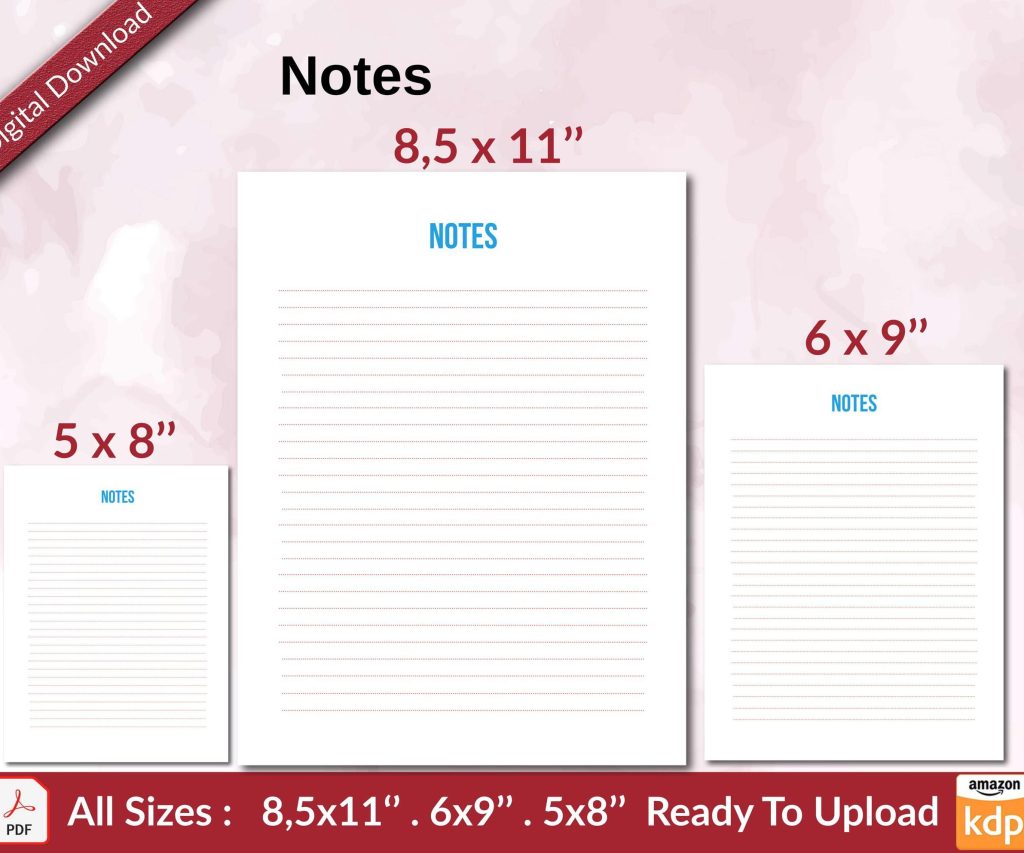 Notes KDP interior Ready To Upload, Sizes 8.5x11 6x9 5x8 inch PDF FILE Used as Amazon KDP Paperback Low Content Book, journal, Notebook, Planner, COMMERCIAL Use
1 × $0.00
Notes KDP interior Ready To Upload, Sizes 8.5x11 6x9 5x8 inch PDF FILE Used as Amazon KDP Paperback Low Content Book, journal, Notebook, Planner, COMMERCIAL Use
1 × $0.00
Subtotal: $0.00
Okay so I’ve been helping authors with autobiography stuff for years and honestly most people overthink this way too much. You don’t need to write a whole book to tell your life story effectively, and I’m gonna show you exactly how to structure one of these short autobiography examples.
So first thing – a short autobiography is basically your life story condensed down to like 300-1000 words depending on what you need it for. I’ve written probably a dozen of these for different platforms and speaking gigs, and the format is pretty straightforward once you get it.
You want to start with your birth or early childhood context. Not like “I was born on a sunny Tuesday” – nobody cares about that level of detail. More like where you grew up and what shaped you early on. Something like: “I grew up in rural Ohio as the youngest of four kids, which taught me early on that you gotta speak up if you want to be heard.”
See what I did there? It gives context but also hints at personality development.
This part should be maybe 2-3 sentences max. You’re hitting:
I remember writing mine and spending like three hours on this section before realizing nobody actually reads every word of these things that carefully. They’re skimming for the interesting bits. My dog kept interrupting me that night wanting to go out and honestly the version I wrote after getting frustrated and rushed was way better than my overthought one.
Okay so here’s where people usually mess up – they list every school they went to like it’s a resume. Don’t do that. Pick the educational experiences that actually mattered or changed your trajectory.
Example: “After barely graduating high school, I stumbled into a community college marketing class that completely changed how I saw business. That professor, Dr. Chen, was the first person who told me I had a knack for understanding consumer behavior.”
Notice how that tells you about education BUT also explains a turning point. That’s what you’re going for. If you went to Harvard, sure mention it, but connect it to something meaningful not just flex the name.
This is usually the meatiest part and where you can actually tell a story. Don’t just list jobs chronologically. Pick the narrative thread.
For me, when I write this section, I focus on: “I spent five years in corporate marketing before realizing the real opportunity was in helping individual creators publish their own work. In 2016, I published my first low-content book on Amazon KDP and made $47 the first month – which doesn’t sound like much, but it was $47 I made while sleeping.”
See how that shows progression AND includes a specific detail that makes it memorable? The $47 thing is something I always include because it’s real and people relate to small beginnings.
Wait I forgot to mention – there’s basically three structures you can use for short autobiographies:
Chronological – Birth to present, straightforward timeline. This works if you have a clear progression and your life story makes sense in order. Most traditional and easiest to write.
Thematic – Organized around themes like “overcoming adversity,” “finding my passion,” “building a career.” This works better if your life has been kinda non-linear or if you’re writing for a specific purpose where certain themes matter more.
Pivotal Moments – You pick like 3-5 major turning points and structure everything around those. This is what I usually recommend because it keeps things interesting and avoids the boring blow-by-blow.
Let me show you one I wrote for a publishing conference last year:
“I discovered self-publishing the way most people do – out of desperation. After my third rejection from traditional publishers in 2015, I uploaded a simple planner to Amazon KDP just to see what would happen. That planner made $200 the first month. Five years later, I’d published over 200 low-content books and ebooks, some months hitting $30k in royalties.
But the real turning point came when other authors started asking how I did it. I realized I enjoyed teaching the system more than just running my own catalog. Now I spend most of my time consulting with KDP authors, helping them avoid the mistakes I made early on – like that time I violated Amazon’s cover guidelines and got three books suppressed in one day. Expensive lesson, but it made me an expert in their TOS pretty quick.
These days I split time between managing my own publishing business and coaching others. My approach is practical, not theoretical – everything I teach comes from actual campaigns I’ve run and money I’ve made or lost.”
That’s like 180 words and hits: origin story, credibility, transformation, current situation, and teaching philosophy. It’s not fancy but it works.
Okay so this is gonna sound weird but I have a test I use – if a detail doesn’t either establish credibility OR show character development, cut it.
Include:
Skip:
Oh and another thing – people always make these same errors and it drives me crazy:
Too humble – This isn’t the time for false modesty. If you accomplished something legit, say it clearly. “I built a six-figure publishing business” is better than “I had some success with publishing.”
Too braggy – Flip side, if every sentence is about how amazing you are, people tune out. Balance achievements with struggles or learning moments.
No personality – The driest autobiographies read like LinkedIn profiles. Let your actual voice come through. I use casual language in mine because that’s how I actually talk to clients.
Burying the lead – Your most interesting or impressive stuff should come early. Don’t make people wade through your childhood to get to the part where you sold a company or published a bestseller.
This matters more than people think:
Conference bio: 100-150 words max, focus on credibility and why you’re qualified to speak on your topic
Book author bio: 150-300 words, include personal touches that make you relatable to readers, mention other books
Website about page: 300-500 words, can be more conversational and include current projects, photos help here
Academic or professional: 200-400 words, more formal tone but still needs to be readable, emphasize credentials and publications
Scholarship or application: 500-1000 words, focus on relevant experiences and future goals, show growth and reflection
Okay so here’s how I tell people to actually write these things because just staring at a blank page doesn’t work:
First, brain dump everything potentially relevant. Just list it out – jobs, moves, education, achievements, failures, turning points. Don’t organize yet, just get it out. I usually end up with like 30-40 bullet points.
Then pick your structure (chronological, thematic, or pivotal moments) and start grouping those bullets. You’ll see patterns emerge. Some stuff that seemed important won’t fit anywhere and that’s fine – cut it.
Write a terrible first draft without stopping to edit. Seriously, just bang it out in 20 minutes. It’s gonna be bad and that’s the point. I was watching The Bear while writing my last one and kept getting distracted but honestly that helped me not overthink it.
Now edit for: flow between sentences, removing redundant info, adding specific details that make it memorable, cutting anything that doesn’t serve the narrative.
Read it out loud. If you stumble over sentences or get bored, readers will too. Fix those parts.
Get someone else to read it and ask them: “What’s the main impression you get of me?” and “What part was most interesting?” Their answers tell you what’s working and what’s not landing.
Match your tone to your audience but don’t completely fake a different personality. If you’re naturally casual, a super formal autobiography will feel off. If you’re more reserved, don’t force humor that isn’t authentic.
I write mine pretty conversationally because my clients are creative entrepreneurs who don’t want corporate stiffness. But when I wrote one for a university teaching application, I dialed back the casual language while keeping the same basic structure and stories.
The ending should point forward, not just stop. Something about current work, future goals, or your ongoing mission. Avoid cheesy inspiration quotes or overly philosophical conclusions.
Mine usually ends with something like: “Currently, I’m focused on helping authors navigate Amazon’s evolving algorithms and building sustainable publishing businesses that generate passive income. Because that $47 first month? It proved that the barrier between having an idea and earning from it is lower than ever – you just gotta know the system.”
That wraps up the story but also positions what I do now and hints at my teaching philosophy. Plus it callbacks to the $47 detail from earlier which creates cohesion.
Look, short autobiographies are really just strategic storytelling. You’re not writing a memoir, you’re giving someone the highlights they need to understand who you are and why they should care. Pick the details that matter, tell them clearly, and don’t overthink it. The version you write in one focused hour will probably be better than the one you labor over for days.
DISCOVER OUR FREE BEST SELLING PRODUCTS
Editable Canva Lined Journal: Express Your Thoughts – KDP Template
Lined Pages Journal 120 pages Ready to Upload PDF Commercial Use KDP Template 6×9 8.5×11 5×8 for Notebooks, Diaries, Low Content
Lined Pages Journal 120 pages Ready to Upload PDF Commercial Use KDP Template 6×9 8.5×11 5×8 for Notebooks, Diaries, Low Content
Cute Dogs Coloring Book for Kids | Activity Book | KDP Ready-To-Upload
Daily Planner Diary : Diary Planners for Everyday Productivity, 120 pages, 6×9 Size | Amazon KDP Interior
Wolf Coloring KDP interior For Adults, Used as Low Content Book, PDF Template Ready To Upload COMMERCIAL Use 8.5×11"
Coloring Animals Head Book for Kids, Perfect for ages 2-4, 4-8 | 8.5×11 PDF
Printable Blank Comic Book Pages PDF : Create Your Own Comics – 3 Available Sizes
Notes KDP interior Ready To Upload, Sizes 8.5×11 6×9 5×8 inch PDF FILE Used as Amazon KDP Paperback Low Content Book, journal, Notebook, Planner, COMMERCIAL Use
Black Lined Journal: 120 Pages of Black Lined Paper Perfect for Journaling, KDP Notebook Template – 6×9
Student Planner Journal 120 pages Ready to Upload PDF Commercial Use KDP Template 6×9" 8.5×11" for Low Content book
Recipe Journal Template – Editable Recipe Book Template, 120 Pages – Amazon KDP Interior