
Amazon KDP guide, KDP book publishing
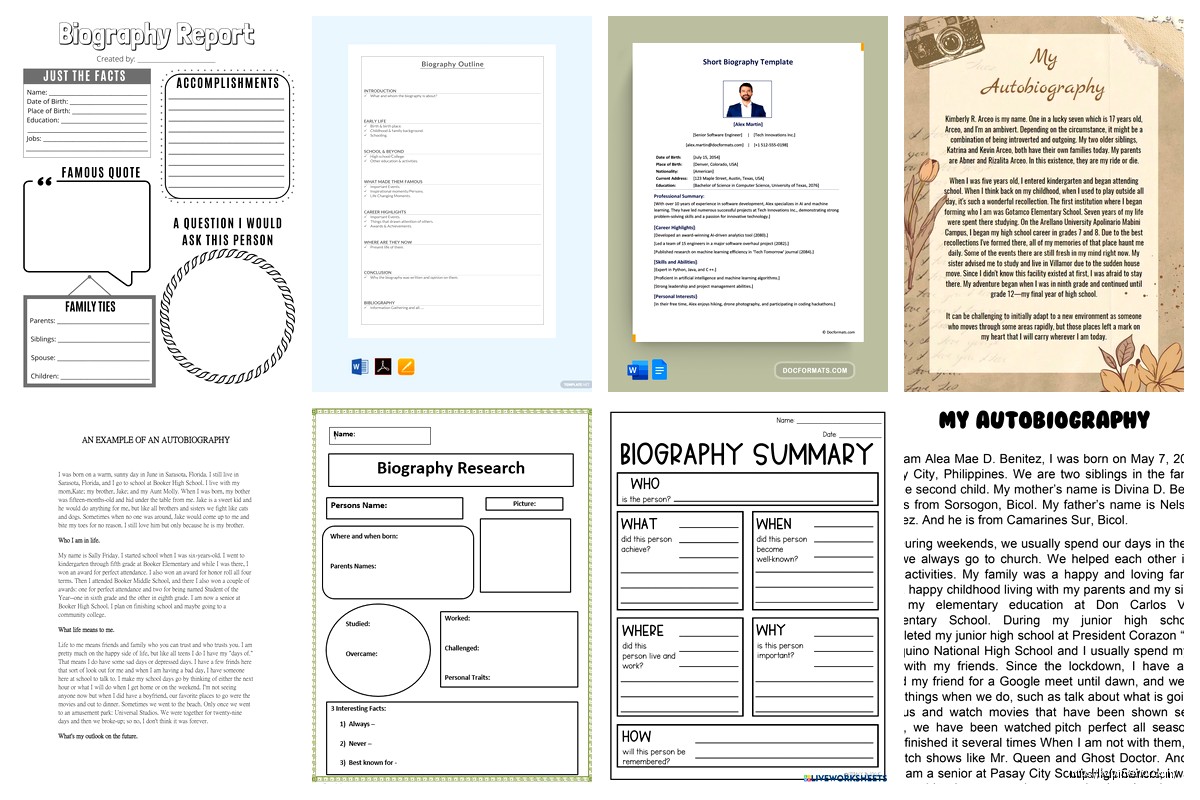
Short Biography Template: Concise Author Bio
Apr
Okay so here’s the thing about author bios that literally nobody tells you when you start publishing on KDP – they matter way more than you think but also way less than you’re probably stressing about right now.
I spent like three months overthinking my first author bio back in 2017 and honestly? It was terrible. Too long, tried to be funny but wasn’t, mentioned stuff nobody cared about. Now I can write one in about 15 minutes and it actually converts better because I figured out the formula that works.
The Basic Structure That Actually Works
Your bio needs to do exactly three things and that’s it. First, establish credibility in whatever niche you’re writing in. Second, make you seem like an actual human person. Third, give people a reason to check out your other books. That’s literally it.
Most people mess up by trying to be too clever or too humble or – and this is the worst – by writing in third person when they’re a nobody. Like unless you’re Stephen King level, writing “John Smith is an acclaimed author” just makes you look pretentious. Nobody’s buying it.
Here’s what I use as my base template and you can totally steal this:
[Name] has been [doing the thing related to your niche] for [X years]. After [brief relevant experience or credential], [he/she/they] started publishing [type of books] to help [target audience] with [specific problem or goal].
When not writing, [Name] [hobby or personal detail that makes you relatable]. [He/She/They] lives in [general location] with [family/pets/whatever].
Check out [his/her/their] other books on [topic] by clicking the author name above.
That’s like 60-80 words max. Clean, professional, does the job.
What Actually Needs To Go In There
Credentials but not the boring kind. So I publish a lot of low-content books – planners, journals, that kind of stuff. My credential isn’t that I went to school for it because I didn’t. It’s that I’ve been self-publishing for 7+ years and have 200+ books out there. That’s the credential people care about.
If you’re writing cookbooks, your credential might be “has been experimenting with gluten-free baking for 12 years” or “grew up in an Italian household where Sunday dinners were sacred” or whatever. It just needs to show you know what you’re talking about in this specific area.
Oh and another thing – you can have different bios for different pen names or niches. I’ve got like four different author bios I rotate through depending on what I’m publishing. My low-content stuff has one bio, my ebooks about KDP strategy have another. They’re all true, just emphasizing different parts of my background.
The Length Thing Everyone Gets Wrong
Amazon gives you space for like 2500 characters I think? Don’t use all of it. Seriously. Nobody’s reading a 400-word bio on some random self-published author. They’re skimming at best.
I tested this last year actually – had a longer bio (maybe 250 words) versus a shorter one (about 75 words) on similar books in the same niche. The shorter bio performed slightly better in terms of people clicking through to my author page. Not like massively better but enough that I noticed.
People are on Amazon to buy books, not to read your life story. Give them the quick version.
Common Mistakes That Make You Look Amateur
Third person when you’re not famous – already mentioned this but it’s worth repeating because I see it ALL the time. “Sarah Johnson is a passionate writer who loves…” No. Just write “I’ve been writing guided journals for the past five years” or whatever.
Too many credentials that don’t matter. Nobody cares that you were treasurer of your book club in 2003. They care about credentials related to THIS book they’re looking at right now.
Getting too personal too fast. Like I saw someone’s bio once that mentioned their divorce and therapy journey in the first sentence and it was for a book about meal planning. Just… no. Save the deep personal stuff for memoirs.
Typos and grammatical errors. Look I’m all for casual writing but your bio needs to be clean. One typo makes you look careless. I always run mine through Grammarly or at least read it out loud before I publish.
The Call-To-Action Nobody Includes
This is gonna sound obvious but most people forget it – tell readers what to do next. “Click my author name to see my other books” or “Check out my other planners for [specific audience]” or whatever.
I started adding this maybe three years ago and my read-through rate (people buying multiple books) went up noticeably. Not like doubled or anything crazy but enough that it’s worth the extra sentence.
Make it specific too. Don’t just say “check out my other books.” Say “check out my other books about bullet journaling” or “see my collection of recipe organizers” or whatever’s relevant.
Personal Details That Actually Help
This part’s tricky because you gotta balance being relatable without being weird. Mentioning you have a dog? Fine. Mentioning your dog’s medical history? Weird.
I usually include something like “lives in the Pacific Northwest with two cats who think they’re helpful writing assistants” or “enjoys hiking and terrible reality TV when not publishing.” Just enough to be human without oversharing.
Wait I forgot to mention – location can actually matter for certain niches. If you’re publishing books about Southern cooking, mentioning you’re from Georgia or whatever adds credibility. If you’re writing generic planners, your location probably doesn’t matter much.
How To Handle The Experience Problem
Okay so what if you’re brand new and have literally no credentials? This was me in 2017 and it sucked.
Here’s the workaround – focus on passion or personal experience instead of professional credentials. Instead of “has been a professional organizer for 10 years” you write “struggled with staying organized for years before developing a system that actually works.”
People connect with that origin story thing. It’s why every fitness influencer is like “I used to be overweight and then…” because it works. You don’t need fancy credentials if you’ve got a genuine personal connection to your topic.
I published a bunch of budget planners early on and my credential was literally just “paid off $30k in debt using these exact tracking methods.” Not professional but relatable and credible enough.
Templates For Different Book Types
For low-content books (planners, journals, notebooks):
[Name] creates [type of low-content books] designed to help [target audience] [achieve specific goal]. After years of trying complicated planning systems that never stuck, [he/she/they] developed a simpler approach that actually works. With over [X] books published, [Name] focuses on creating practical tools that fit into real life. When not designing new planners, [hobby/personal detail]. Click above to see the full collection.
For nonfiction/how-to books:
[Name] has been [doing the relevant thing] for [X years]. After [relevant experience or transformation], [he/she/they] started writing books to help others [achieve similar results]. [His/Her/Their] straightforward approach focuses on [what makes your method different]. Lives in [location] and [personal detail]. Check out other books in this series by clicking the author name.
For fiction (though I don’t do much of this):
[Name] writes [genre] stories about [themes or types of characters]. When not writing, [he/she/they] [relevant hobby or interest that connects to your genre]. [Personal detail about location or life]. Find more [genre] books by clicking above.
These are super basic frameworks but they work. I’ve used variations of these across probably 50+ different pen names at this point.
The Update Schedule Nobody Thinks About
Your bio isn’t set in stone. I update mine every year or so, usually when I hit some new milestone. Started with “publishing for 3+ years” then updated to “5+ years” then “7+ years” and so on.
Same with book count. When I hit 100 books I updated that. Then 200. It shows you’re active and growing, not just some person who published one book in 2015 and disappeared.
Also update if your niche changes or if you get some new credential that matters. But don’t update it every week or anything crazy like that.
What To Do If You’re Using A Pen Name
Keep it vague enough that you’re not lying but specific enough to be credible. You can still say “lives in the Midwest” without giving your actual city. You can still mention hobbies or interests that are real even if the name isn’t.
I’ve got pen names where the bio is like 90% true, just under a different name. The experience is real, the credentials are real, just the name on the cover isn’t my legal name. That’s totally fine and super common in self-publishing.
Don’t make up credentials you don’t have though. That’s different. Don’t say you’re a certified nutritionist if you’re not, even under a pen name. That’s where people get in trouble.
Testing What Works For Your Audience
This is gonna sound weird but I’ve actually A/B tested author bios before. Not like scientific rigorous testing but enough to see patterns.
Published similar books with slightly different bios – one more personal, one more professional. The professional one performed better for business-type topics (budget planners, productivity stuff). The personal one performed better for creative topics (art journals, gratitude journals).
Makes sense when you think about it. People buying business books want expertise. People buying creative books want connection and personality.
You can also look at top sellers in your niche and see what their bios look like. Not to copy but to get a sense of what’s working in that specific market right now.
The Biggest Thing That Actually Matters
Honestly? Your bio matters way less than your book cover, title, and description. Like if those three things are solid, a mediocre bio won’t hurt you much. But if those three things suck, the world’s best bio won’t save you.
I say this because I’ve seen people spend weeks agonizing over their author bio when their book cover looks like it was made in MS Paint in 2002. Fix the stuff that actually drives sales first, then worry about optimizing your bio.
That said, once you’ve got the basics down – good cover, solid title, decent description – then yeah, tightening up your bio can help a bit with conversions and read-through rate.
Just keep it short, relevant, and human. Don’t overthink it. I’m literally watching The Office for the millionth time while writing this and my bios have made me thousands of dollars and they’re all pretty simple and straightforward.
Start with the template I gave you earlier, customize it for your niche, and you’re gonna be fine. Then go worry about your next book cover because that’s what actually matters.
DISCOVER OUR FREE BEST SELLING PRODUCTS
Editable Canva Lined Journal: Express Your Thoughts – KDP Template
Lined Pages Journal 120 pages Ready to Upload PDF Commercial Use KDP Template 6×9 8.5×11 5×8 for Notebooks, Diaries, Low Content
Lined Pages Journal 120 pages Ready to Upload PDF Commercial Use KDP Template 6×9 8.5×11 5×8 for Notebooks, Diaries, Low Content
Cute Dogs Coloring Book for Kids | Activity Book | KDP Ready-To-Upload
Daily Planner Diary : Diary Planners for Everyday Productivity, 120 pages, 6×9 Size | Amazon KDP Interior
Wolf Coloring KDP interior For Adults, Used as Low Content Book, PDF Template Ready To Upload COMMERCIAL Use 8.5×11"
Coloring Animals Head Book for Kids, Perfect for ages 2-4, 4-8 | 8.5×11 PDF
Printable Blank Comic Book Pages PDF : Create Your Own Comics – 3 Available Sizes
Notes KDP interior Ready To Upload, Sizes 8.5×11 6×9 5×8 inch PDF FILE Used as Amazon KDP Paperback Low Content Book, journal, Notebook, Planner, COMMERCIAL Use
Black Lined Journal: 120 Pages of Black Lined Paper Perfect for Journaling, KDP Notebook Template – 6×9
Student Planner Journal 120 pages Ready to Upload PDF Commercial Use KDP Template 6×9" 8.5×11" for Low Content book
Recipe Journal Template – Editable Recipe Book Template, 120 Pages – Amazon KDP Interior