-
×
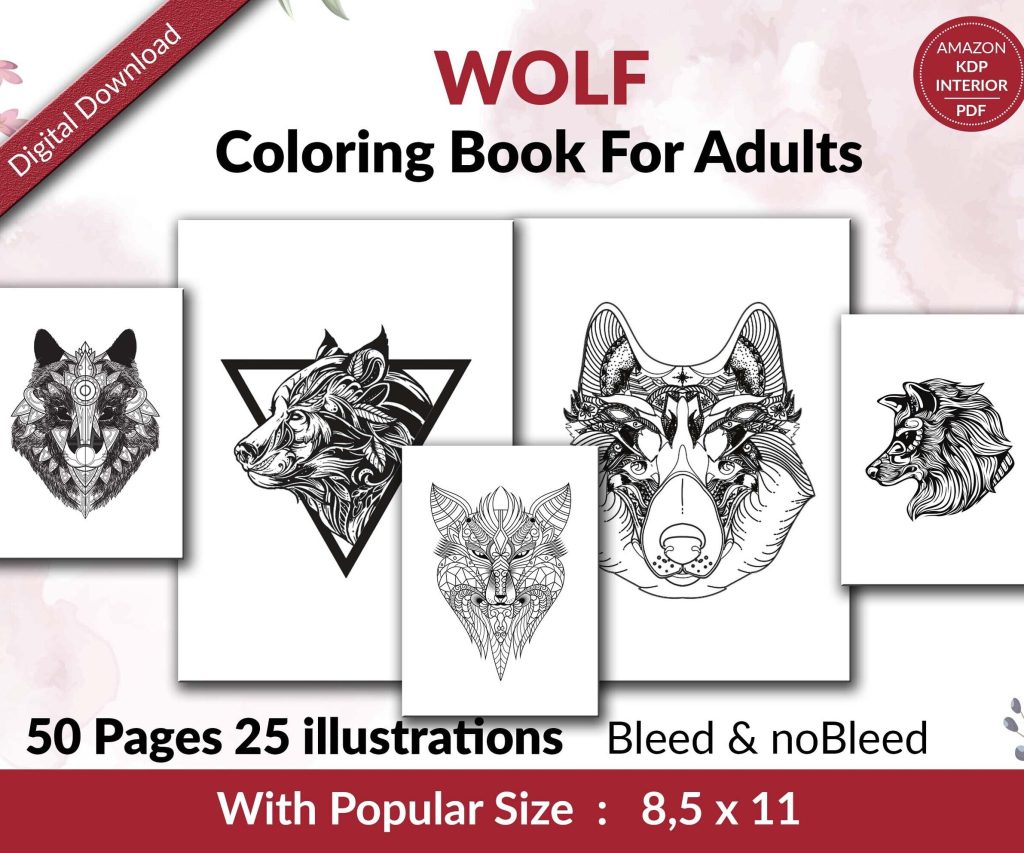 Wolf Coloring KDP interior For Adults, Used as Low Content Book, PDF Template Ready To Upload COMMERCIAL Use 8.5x11"
1 × $0.00
Wolf Coloring KDP interior For Adults, Used as Low Content Book, PDF Template Ready To Upload COMMERCIAL Use 8.5x11"
1 × $0.00
Subtotal: $0.00

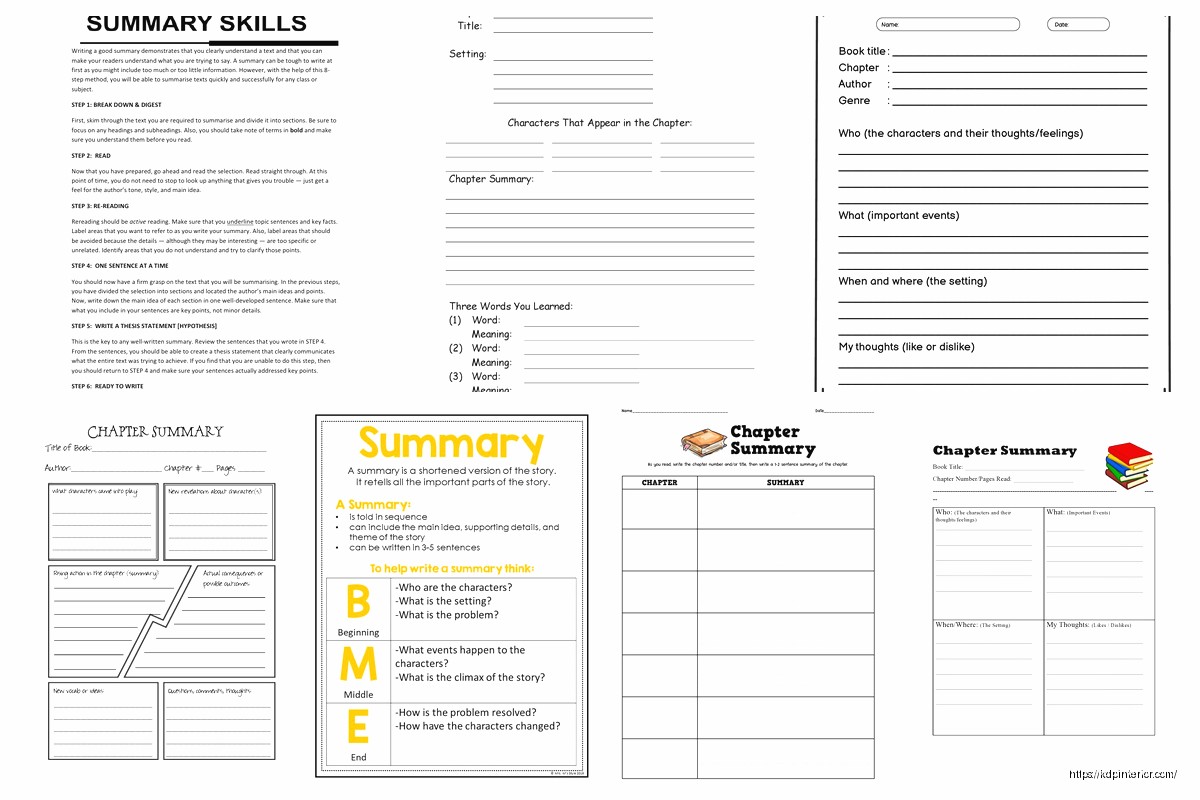
Okay so last week I was working with this client who literally had no idea how to break down a chapter for analysis and I realized most people overthink this whole summary thing. Let me show you exactly how I do it because once you nail this format, you can apply it to literally any book you’re trying to analyze or create sample content for.
So first thing – a chapter summary isn’t just regurgitating what happened. That’s where everyone screws up. You need three layers working together: the what, the how, and the why. I usually start by reading the chapter twice which sounds excessive but the first read is just absorbing it and the second one I’m actually taking notes.
Here’s my actual process. Open a Google Doc or whatever and create these sections:
The quotes part is crucial because when you’re writing the actual analysis, you’re gonna need proof. I learned this the hard way after writing like 15 summaries that felt hollow because I couldn’t back anything up.
Let’s say you’re analyzing Chapter 3 of “To Kill a Mockingbird” – just as an example. Your opening paragraph should orient the reader. Something like: “Chapter 3 of To Kill a Mockingbird takes place primarily at Scout’s school and during dinner at the Finch household, establishing key themes about social class and education in 1930s Alabama.”
See what I did there? Location, timeframe, and a hint at themes. Don’t bury the lead. I see so many people writing these flowery introductions that say nothing and… wait I forgot to mention – always include the chapter number AND book title in your first sentence. Sounds basic but you’d be surprised.
This is where you actually walk through what happens but here’s the trick – you gotta be selective. My dog was literally barking at the mailman while I was figuring this system out and I almost lost my train of thought but anyway.
Focus on events that move something forward. Character growth, plot advancement, theme development. If Scout talks to three different classmates but only one conversation matters for understanding her character arc, mention that one.
For Chapter 3 specifically you’d cover:
But don’t just list these. Connect them. “After Walter Cunningham pours syrup over his dinner, Scout criticizes him, which leads to Calpurnia reprimanding her in the kitchen. This moment serves as Scout’s introduction to understanding class distinctions that Atticus later explains through the lens of the Cunningham family’s pride versus the Ewell family’s lack of it.”
Okay so funny story – I once wrote a 20-page analysis that was basically just summary and my editor was like “where’s the actual analysis” and I had no idea what she meant. Analysis means breaking down WHY things matter.
For each major event or moment, ask yourself:
Using our Chapter 3 example again. The syrup scene isn’t just about table manners. It’s Harper Lee showing Scout’s ignorance about poverty and class while simultaneously showing Calpurnia as a maternal figure who teaches lessons Atticus might not. That’s analysis.
This is gonna sound weird but I actually highlight my book in three different colors when I’m doing deep analysis. Yellow for character moments, pink for thematic elements, blue for beautiful writing or important dialogue.
When you pull quotes, give context. Bad example: “Scout says ‘He ain’t company, Cal, he’s just a Cunningham.'”
Better example: “Scout’s dismissive comment, ‘He ain’t company, Cal, he’s just a Cunningham,’ reveals her internalized class prejudice despite her youth, showing how social hierarchies are learned behaviors in Maycomb society.”
Always unpack the quote. What’s the subtext? I usually spend like 2-3 sentences explaining each quote I use because the quote alone doesn’t do the work.
Oh and another thing – if you’re doing multiple chapter summaries for the same book, keep a master document tracking themes. I use a simple spreadsheet with columns for each theme and rows for each chapter. Just quick notes about where that theme appears.
For TKAM I’d have columns like:
Then in the Chapter 3 row I’d note how social class is HUGE here with the Cunningham/Ewell comparison, and moral development shows up through Calpurnia’s lesson.
This makes it so much easier when you need to write about how themes develop throughout the book because you’ve already done the mapping work.
For each chapter summary, dedicate a section to character growth. Not what characters DID but how they CHANGED or what we LEARNED about them.
Chapter 3 shows us:
I format this as a subsection in my summaries because it helps readers (or clients if you’re doing this professionally) quickly grasp character arcs without rereading everything.
Here’s my template that I’ve used probably 200+ times for various projects:
Chapter [Number]: [Title if applicable]
Overview (2-3 sentences about setting and main focus)
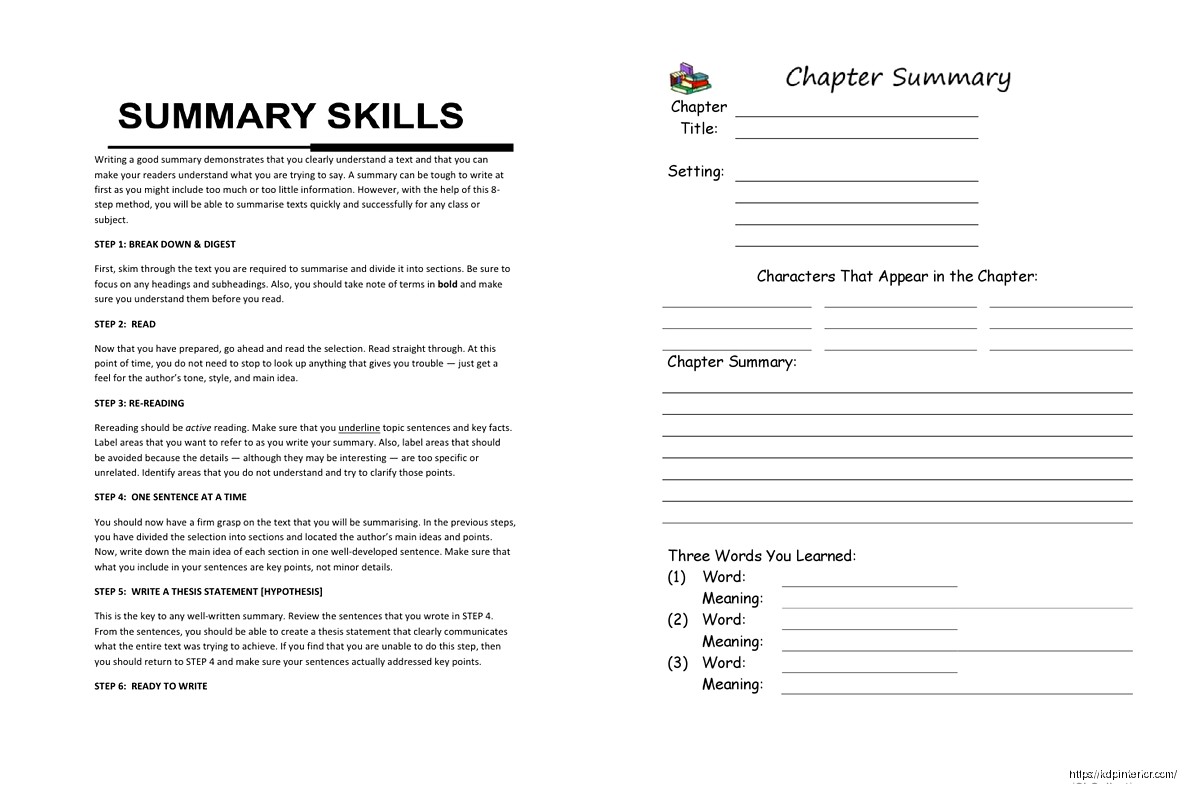
Plot Summary (3-5 paragraphs covering key events in chronological order)
Key Quotes (3-5 significant quotes with analysis)
Character Development (bullet points or short paragraphs for each major character)
Themes and Symbols (2-3 paragraphs discussing how themes appear in this chapter)
Literary Devices (if applicable – imagery, foreshadowing, irony, etc.)
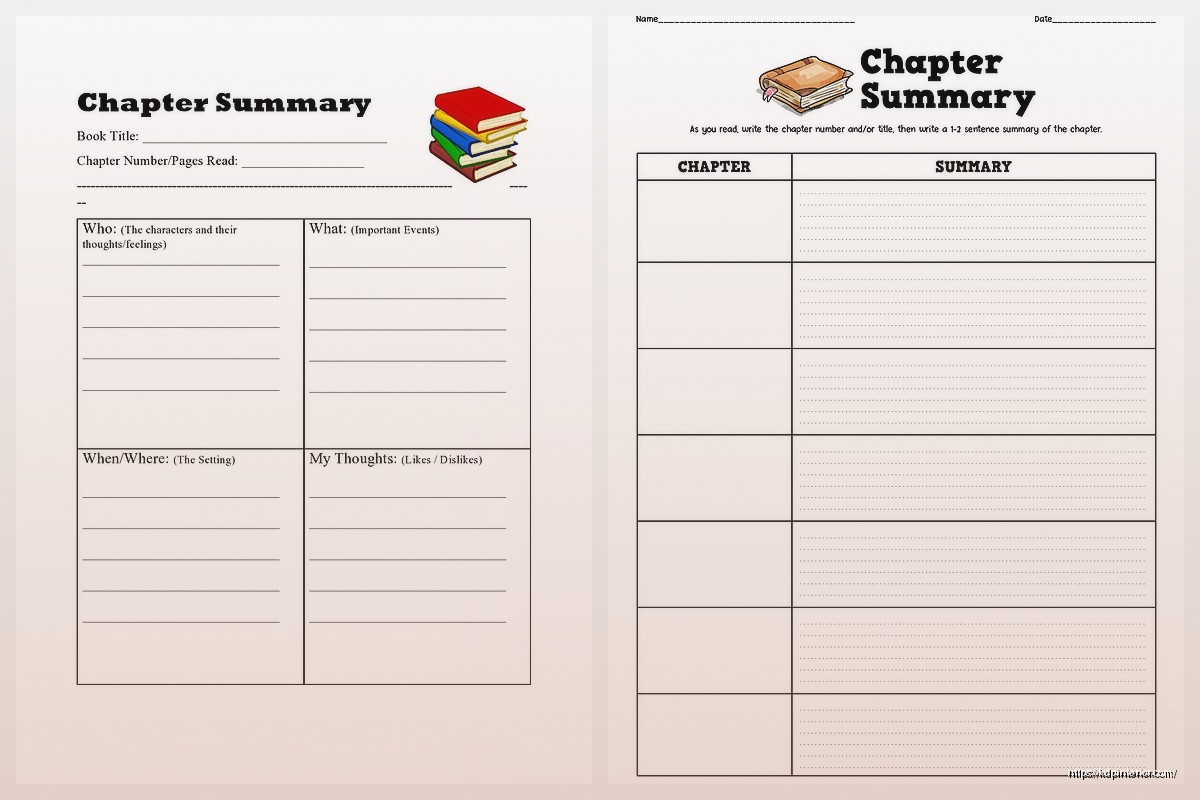
Connection to Larger Narrative (how this chapter fits into the overall book arc)
This structure works whether you’re analyzing fiction or non-fiction. For non-fiction you’d just adjust the sections – like instead of “character development” maybe “key arguments” or “evidence presented.”
People write too much plot and not enough analysis. Your summary should be like 40% what happened and 60% why it matters. I was literally watching The Office while editing someone’s summary last month and they had written SEVEN paragraphs of pure plot recap with zero interpretation.
Another thing – don’t use super formal academic language unless that’s specifically required. “Scout’s interaction with Walter demonstrates her nascent understanding of socioeconomic disparities” is fine but “Scout learns about being poor through Walter” works too and is way more readable.
Also? Stop trying to cover every single detail. If a chapter is 20 pages, your summary should be like 2-3 pages max. Be ruthless about what actually matters.
If you’re doing this for school, professors usually want more focus on literary devices and academic citations. If you’re creating content for book lovers or your own reference, you can be more conversational.
For my KDP business, I’ve created summary guides as low-content books and the key is making them scannable. Lots of subheadings, bullet points, clear sections. People want to quickly remember what happened in Chapter 3 before their book club meeting, not read an essay.
Wait I forgot to mention – always note the page numbers for everything. Even if you don’t include them all in your final summary, having them in your notes is crucial. I use sticky notes in physical books or the highlight function in Kindle and then transfer those page numbers to my working document.
First draft is always gonna be rough. I write it immediately after reading the chapter while everything’s fresh. Then I wait like a day and come back to tighten it up.
Things I check in revision:
I usually cut like 20% of what I wrote in the first draft because I tend to over-explain when I’m in the flow.
Let me show you a before and after so you can see the difference.
Before (too much summary, no analysis):
“In Chapter 3, Scout goes to school and then Walter Cunningham comes over for dinner. Scout pours syrup on his food and gets in trouble with Calpurnia. Then Atticus talks about the Cunningham family and the Ewell family and explains why they’re different.”
After (balanced summary with analysis):
“Chapter 3 serves as Scout’s introduction to Maycomb’s complex social hierarchy through two key scenes. When Walter Cunningham drowns his dinner in syrup, Scout’s criticism stems from ignorance rather than malice, prompting Calpurnia to deliver a pivotal lesson about respecting guests regardless of class. Later, Atticus uses the Cunningham and Ewell families as case studies to teach Scout about dignified poverty versus willful ignorance, establishing the moral framework that will become crucial during Tom Robinson’s trial.”
See the difference? The second version tells you what happened but ALSO tells you what it means and why it matters for the rest of the book.
I use Google Docs for the actual writing because comments and suggestions are easy. For organizing multiple chapters, I swear by Notion or even just a simple spreadsheet.
Some people love mind mapping software for tracking connections between themes and chapters. I tried it once and it felt like overkill but if you’re a visual person, might be worth checking out.
Oh and another thing – if you’re analyzing multiple books regularly, create a template document you can copy for each new book. Saves so much time not having to rebuild the structure every time.
The key with any chapter summary and analysis is remembering who you’re writing it for. Academic audience? More formal with citations. Personal reference? Whatever works for you. Book club discussion guide? Focus on discussion-worthy moments and questions. There’s no one right way but there are definitely wrong ways and most of them involve just recapping plot without adding any insight about what it all means.
DISCOVER OUR FREE BEST SELLING PRODUCTS
Editable Canva Lined Journal: Express Your Thoughts – KDP Template
Lined Pages Journal 120 pages Ready to Upload PDF Commercial Use KDP Template 6×9 8.5×11 5×8 for Notebooks, Diaries, Low Content
Lined Pages Journal 120 pages Ready to Upload PDF Commercial Use KDP Template 6×9 8.5×11 5×8 for Notebooks, Diaries, Low Content
Cute Dogs Coloring Book for Kids | Activity Book | KDP Ready-To-Upload
Daily Planner Diary : Diary Planners for Everyday Productivity, 120 pages, 6×9 Size | Amazon KDP Interior
Wolf Coloring KDP interior For Adults, Used as Low Content Book, PDF Template Ready To Upload COMMERCIAL Use 8.5×11"
Coloring Animals Head Book for Kids, Perfect for ages 2-4, 4-8 | 8.5×11 PDF
Printable Blank Comic Book Pages PDF : Create Your Own Comics – 3 Available Sizes
Notes KDP interior Ready To Upload, Sizes 8.5×11 6×9 5×8 inch PDF FILE Used as Amazon KDP Paperback Low Content Book, journal, Notebook, Planner, COMMERCIAL Use
Black Lined Journal: 120 Pages of Black Lined Paper Perfect for Journaling, KDP Notebook Template – 6×9
Student Planner Journal 120 pages Ready to Upload PDF Commercial Use KDP Template 6×9" 8.5×11" for Low Content book
Recipe Journal Template – Editable Recipe Book Template, 120 Pages – Amazon KDP Interior