-
×
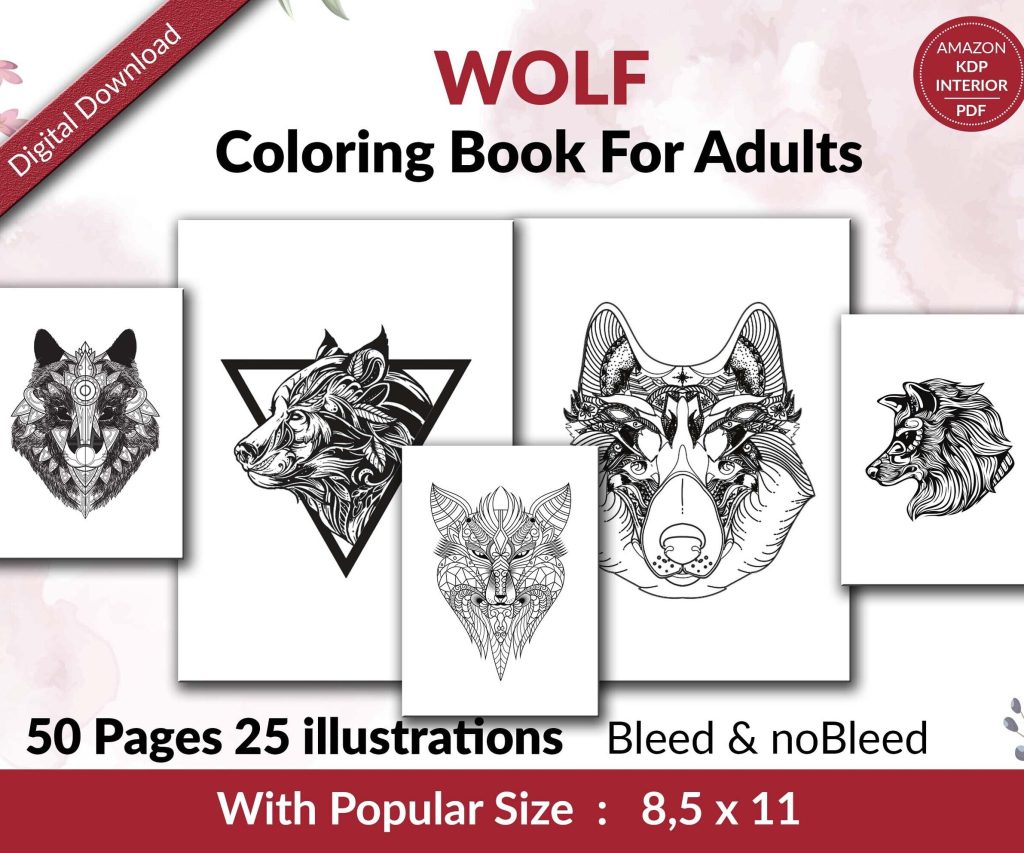 Wolf Coloring KDP interior For Adults, Used as Low Content Book, PDF Template Ready To Upload COMMERCIAL Use 8.5x11"
1 × $0.00
Wolf Coloring KDP interior For Adults, Used as Low Content Book, PDF Template Ready To Upload COMMERCIAL Use 8.5x11"
1 × $0.00
Subtotal: $0.00

Okay so here’s the deal with setting up your Facebook author page – I literally just rebuilt mine last month after my cat knocked coffee all over my keyboard and I had to redo like half my social strategy anyway, so this is fresh.
Your cover photo needs to be 820 pixels by 312 pixels, but honestly Facebook compresses everything weirdly so I always design at 1640 x 624 and let it scale down. Makes it sharper on desktop. And look, your cover photo isn’t just some random book banner – it’s gotta tell people what you write in like 2 seconds.
I use Canva Pro for this because I’m not gonna mess around in Photoshop for an hour. The free version works fine too but you get better fonts with Pro. What I do is take my latest book cover, make it big on the left side, then add text on the right that says what genre I write. Something like “Cozy Mysteries & Small Town Romance” with my author name underneath. Super simple.
Oh and another thing – don’t put important text in the bottom left corner because that’s where your profile picture sits and it covers everything. Learned that one the hard way when I had my website URL right there and nobody could see it for like three months.
This one’s easier. 180 x 180 pixels minimum but it displays as a circle so anything in the corners gets cut off. I’ve tested both author headshots and logo designs, and honestly… the headshot performs better for engagement. People connect with faces, especially in fiction.
If you’re camera-shy like I used to be, just get one decent photo done. Doesn’t need to be professional studio stuff – good lighting by a window and a plain background works. I paid my neighbor’s teenager $50 and she took better photos than the $300 photographer I used back in 2019.
This is where most authors just wing it and it shows. You’ve got limited space here so every word counts. Here’s the template I use and teach:
First line: What you write and who it’s for. “I write psychological thrillers for readers who love twisty endings” or whatever.
Second line: Your biggest credential or achievement. “Amazon bestselling author” or “Published 15 novels since 2018” – something that builds trust.
Third line: Where to get your books. Direct link to your Amazon author page or your website.
Fourth line: Email list signup. “Join 5,000+ readers getting free stories” with a link.
Keep it under 155 characters if possible because that’s what shows before the “see more” button. Wait I forgot to mention – update this every time you hit a new milestone. I update mine quarterly.
Facebook gives you one button under your cover photo. Most authors pick “Shop Now” or “Sign Up” but I’ve tested all of them and here’s what actually works:
For fiction authors with an email list – use “Sign Up” linking to your lead magnet landing page. This is your primary funnel.
For authors selling direct – use “Shop Now” to your BookFunnel or Shopify store.
Don’t use “Send Message” unless you actually plan to respond to DMs within a few hours. Nothing kills credibility faster than ignored messages.
This is gonna sound obvious but you want facebook.com/yourauthorname not some random string of numbers. Go to Settings > Page Info > Username and claim it. If your exact name is taken, add “author” or “books” to it. Like facebook.com/danielharperauthor.
Keep it consistent across all platforms – same username on Instagram, Twitter, TikTok if you’re on there. Makes you easier to find and looks more professional.
Under your cover photo there’s a bunch of tabs. By default Facebook shows like Home, Posts, Photos, Videos, Events. You can customize these and honestly you should.
I keep: Home, Books, Reviews, Groups, Events. Here’s why:
Books tab: You can manually add all your books here with cover images, descriptions, buy links. It’s basically a free catalog page.
Reviews tab: If you have any reviews on your Facebook page (not Amazon reviews, actual FB reviews), this showcases them. I encourage readers to leave reviews here too, gives you social proof.
Groups tab: If you run a reader group, link it here. I’ll get to groups in a sec.
Events tab: For cover reveals, book launches, virtual events. Super useful.
Get rid of the Videos tab unless you’re actually posting videos regularly. Empty tabs look bad.
Whatever post is at the top of your page when someone visits – that’s valuable real estate. I change my pinned post based on what I’m promoting but here’s the rotation:
When launching a book – pin the announcement post with the cover and buy links.
Between launches – pin your email list signup offer. “Download my free mystery starter library” type thing.
During a sale – pin that. “All books 99 cents this week only.”
Change it every 2-3 weeks minimum. A pinned post from six months ago tells visitors you’re not active.
Okay so funny story – I used to just post randomly whenever I remembered and my engagement was garbage. Then I set up content buckets and everything changed. Here’s my system:
Monday: Writing life updates. What I’m working on, word count progress, behind-the-scenes stuff.
Wednesday: Reader engagement. Questions, polls, “which cover do you like better” type posts.
Friday: Promotional. New release, sale, free book, whatever.
Saturday: Personal but book-related. What I’m reading, book recommendations, bookish memes.
I don’t post every single day because honestly that’s exhausting and my audience doesn’t need that much from me. Four times a week keeps me visible without burning out.
This is separate from your author page but connected. Your Facebook page is public and transactional – it’s where you promote. Your reader group is private and relational – it’s where your superfans hang out.
Create a private group called “Daniel Harper’s Cozy Corner” or whatever fits your vibe. Link it from your author page. In the group you can:
Share early cover reveals and get feedback
Post deleted scenes or bonus content
Run exclusive giveaways
Actually have conversations with readers
I post in my group way more than on my page because the engagement is like 10x better. People in groups are opted-in and interested.
Facebook’s built-in scheduler is fine but limited. I use Creator Studio (free from Facebook) for scheduling posts in advance. You can schedule up to 75 posts at once which is kinda overkill but whatever.
Sunday night I batch-create all my content for the week in Canva, schedule it in Creator Studio, and I’m done. Takes maybe 90 minutes total.
Oh and another thing – schedule posts for when your audience is actually online. Check your page insights to see when you get the most engagement. For me it’s 7-9pm EST on weekdays. Yours might be different depending on your genre and reader demographics.
Your posts need images because Facebook’s algorithm prioritizes visual content. Plain text posts get buried. But your graphics don’t need to be fancy – they just need to be clean and on-brand.
I made a Canva template for my standard post size (1200 x 630 pixels works everywhere) with my brand colors and fonts. Then I just duplicate it and swap out the text for each post. Keeps everything looking cohesive without starting from scratch every time.
Brand colors matter more than you think. Pick 2-3 colors and stick with them across everything. Mine are navy blue, cream, and a rust orange because those feel like cozy mystery vibes to me.
Everything on your Facebook page should funnel people to your email list eventually. Facebook can shut down your page tomorrow and you lose everything – you don’t own that audience. But email? That’s yours.
I mention my email list in my About section, in my pinned post, in my regular posts at least once a week. “Join my newsletter for exclusive stories and early access to new releases.”
Use a lead magnet – free short story, first book in series, deleted scenes collection. Whatever gets people to sign up. I use BookFunnel for delivery because it’s stupid easy.
Facebook rewards engagement so you gotta actually interact with people. When someone comments on your post, reply within an hour if possible. Ask follow-up questions. Use their name.
I also go into other authors’ groups (non-competing genres) and engage authentically. Not spammy promo stuff – just genuine comments and conversations. It gets your name out there and Facebook’s algorithm notices.
Oh wait I forgot to mention – tag other authors when appropriate. If you’re recommending books, tag the authors. They’ll often share your post and you get exposure to their audience. It’s how I found like half my current readers.
Page Insights shows you everything but most of it doesn’t matter. Here’s what I look at weekly:
Post reach – how many people saw your posts
Engagement rate – likes, comments, shares per post
Page follows – are you growing or stagnant
Actions on page – how many people clicked your email signup or book links
If something’s trending down, change your content. I noticed my reach dropping in January so I started doing more video content (just me talking about books for 60 seconds) and it bounced back.
Don’t post Amazon links directly – Facebook throttles them. Use a link shortener or better yet, link to your website which then links to Amazon.
Don’t only post promotional content. The 80/20 rule works – 80% value and engagement, 20% “buy my book.”
Don’t ignore your page for weeks then post 5 times in one day. Consistency beats intensity.
Don’t use stock photos that look nothing like your genre. Readers can tell and it feels off-brand.
Facebook for authors isn’t about going viral or getting thousands of followers overnight. It’s about building a consistent presence where readers can find you, connect with you, and eventually buy from you.
I’ve been at this 7 years and my Facebook page has like 3,200 followers. That’s not huge but they’re engaged and they buy my books. Quality over quantity actually matters here.
Update your page regularly, show up consistently, and don’t stress about perfect posts. Better to post something decent four times a week than to stress about posting something perfect once a month.
And honestly? The Facebook page is just one piece. It feeds into your email list, which is where the real magic happens for book sales. But having a professional-looking page that actually represents your brand – that’s the foundation everything else builds on.
DISCOVER OUR FREE BEST SELLING PRODUCTS
Editable Canva Lined Journal: Express Your Thoughts – KDP Template
Lined Pages Journal 120 pages Ready to Upload PDF Commercial Use KDP Template 6×9 8.5×11 5×8 for Notebooks, Diaries, Low Content
Lined Pages Journal 120 pages Ready to Upload PDF Commercial Use KDP Template 6×9 8.5×11 5×8 for Notebooks, Diaries, Low Content
Cute Dogs Coloring Book for Kids | Activity Book | KDP Ready-To-Upload
Daily Planner Diary : Diary Planners for Everyday Productivity, 120 pages, 6×9 Size | Amazon KDP Interior
Wolf Coloring KDP interior For Adults, Used as Low Content Book, PDF Template Ready To Upload COMMERCIAL Use 8.5×11"
Coloring Animals Head Book for Kids, Perfect for ages 2-4, 4-8 | 8.5×11 PDF
Printable Blank Comic Book Pages PDF : Create Your Own Comics – 3 Available Sizes
Notes KDP interior Ready To Upload, Sizes 8.5×11 6×9 5×8 inch PDF FILE Used as Amazon KDP Paperback Low Content Book, journal, Notebook, Planner, COMMERCIAL Use
Black Lined Journal: 120 Pages of Black Lined Paper Perfect for Journaling, KDP Notebook Template – 6×9
Student Planner Journal 120 pages Ready to Upload PDF Commercial Use KDP Template 6×9" 8.5×11" for Low Content book
Recipe Journal Template – Editable Recipe Book Template, 120 Pages – Amazon KDP Interior