
Amazon KDP guide, KDP book publishing
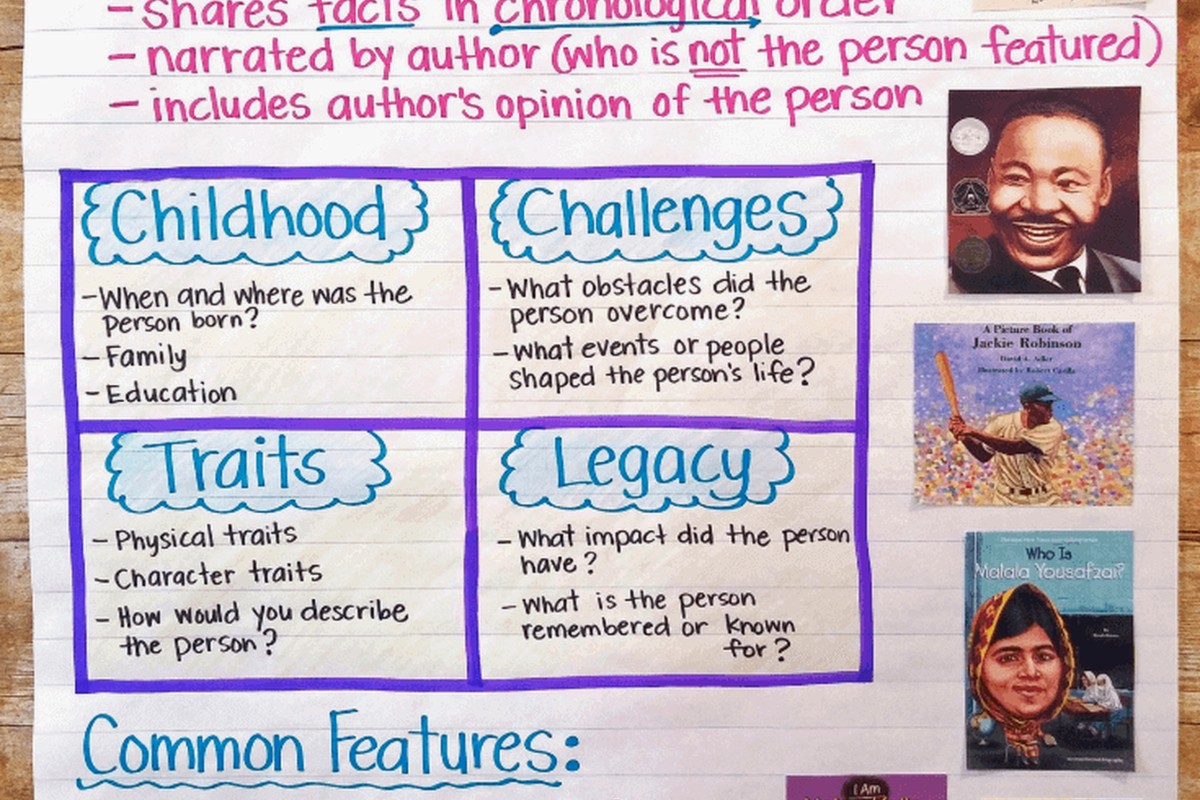
Writing a Biography Template: Life Story Format
Mar
okay so here’s the thing about biography templates – most people overthink this stuff and end up with these weird formal documents that sound like obituaries or LinkedIn profiles on steroids. I was helping a client last month with their author bio and we spent like three hours just stripping out all the corporate nonsense to make it sound like an actual human wrote it.
Start With the Bones First
The basic structure I use for literally every biography template is pretty straightforward. You need chronological anchors – birth/early life, formative experiences, major achievements, current status. But here’s where people mess up – they try to fill in every single year like it’s a resume. Nobody cares that you worked at Target from 2003-2005 unless that job somehow connects to why your story matters.
What I do is create these section headers first before writing anything:
- Early Life & Background (birth through teenage years)
- Education & Formative Experiences (college, first jobs, major learning moments)
- Career Development & Major Milestones (the meat of most bios)
- Personal Life & Relationships (if relevant to the narrative)
- Current Work & Legacy (where they are now, what they’re building toward)
The template itself should be flexible though. Like I had this one project where the person’s early life was completely irrelevant – they didn’t do anything interesting until their 40s – so we just… skipped it mostly. One paragraph and moved on.
The Opening Paragraph Formula That Actually Works
This is gonna sound weird but the best biography openings I’ve written start with a moment, not a birthdate. Something like “When Sarah walked into that courtroom in 1987, she had no idea she’d be arguing before the Supreme Court within a decade.” You hook people with a scene or an achievement, THEN you backtrack to “Sarah Johnson was born in Minneapolis in 1952…”
The formula I use:
- Compelling hook (achievement, moment, unique angle)
- Full name and basic credentials
- One sentence about why this person’s story matters
- Transition to chronological narrative
I literally have this saved in a Google Doc that I copy-paste every time I start a new bio project. Changed my workflow completely when I stopped trying to be creative with the structure every single time.
The Birth and Early Years Section
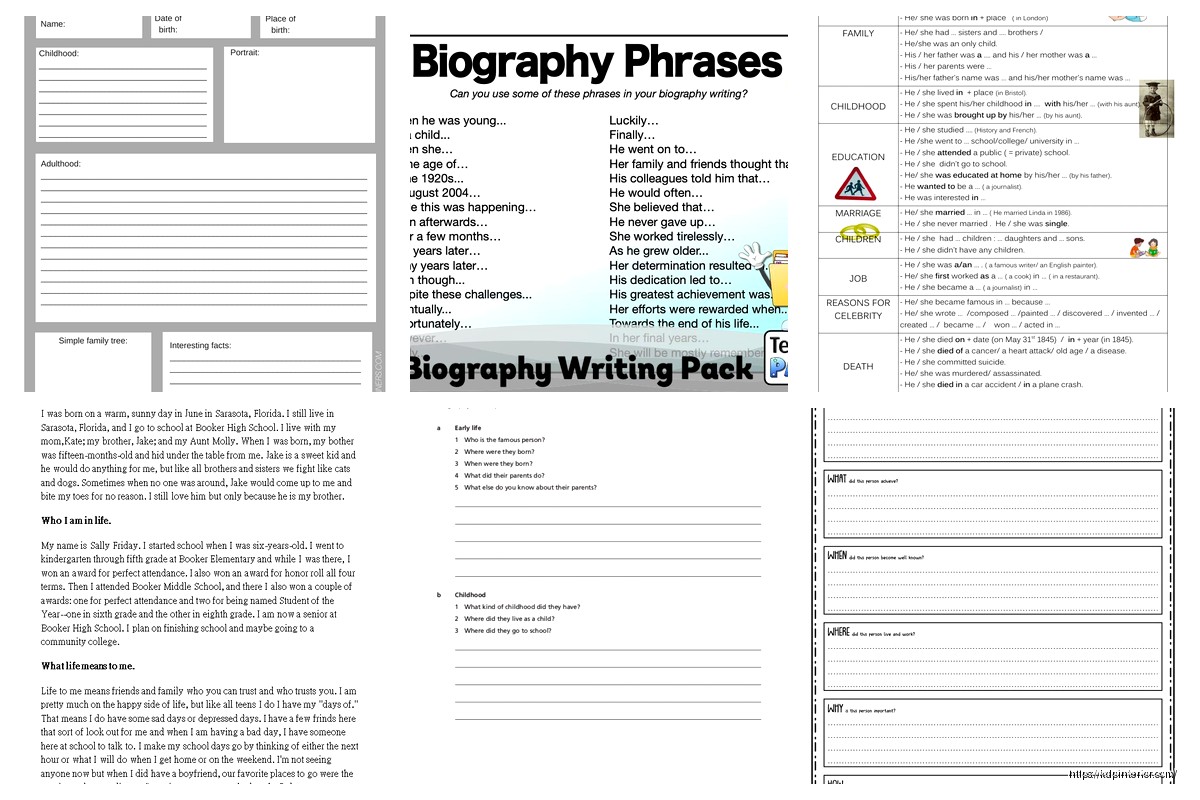
okay so this part trips people up because they don’t know what details matter. Here’s what I include in the template prompts:
- Birth date and location (city, state/country)
- Family background ONLY if it’s relevant (parents’ occupations if they influenced the subject, siblings if they appear later in the story)
- Socioeconomic context if it shaped their path
- Early interests or indicators of future direction
- Major childhood events that had lasting impact
What I DON’T include – every single school they attended, every friend they had, their childhood pet’s name unless it’s like… a biography of a veterinarian and the pet inspired their career or something. My cat knocked over my coffee while I was working on a bio template last week and honestly that has about as much relevance as most of the childhood details people try to cram in.
The key is asking “does this detail connect to the thread of who they became?” If not, cut it.
Education Section Template Structure
This section should be quick unless education is central to their story. I structure it like this:
For most people:
- High school (name and location, graduation year) – only if notable
- College/University (institution, degree, graduation year, any honors)
- Graduate education (same format)
- Relevant certifications or continuing education
What to expand on:
- Influential professors or mentors met during school
- Research or projects that led to later work
- Organizations joined, leadership positions held
- Scholarships or recognition that indicate early achievement
I was watching this documentary about Ruth Bader Ginsburg the other night and noticed how her education section dominated the early biography because it was so central to everything – Harvard Law, Columbia, the discrimination she faced. That’s when you expand. Otherwise, keep it tight.
The Career Development Meat
This is where most biographies live and die. The template I use breaks career into phases, not just a list of jobs. Like:
Phase 1: Early Career (First 5-10 years after education)
- First significant position(s)
- Skills developed, lessons learned
- Challenges faced and overcome
- Transitions and why they were made
Phase 2: Establishment (Building reputation and expertise)
- Key positions that built credibility
- Major projects or accomplishments
- Recognition, awards, or milestones
- Expansion of influence or responsibility
Phase 3: Peak/Leadership (If applicable)
- Leadership roles achieved
- Signature achievements or contributions
- Impact on field or industry
- Innovations or changes implemented
oh and another thing – within each job or position, I use this micro-template:
- Position title, organization, dates
- Scope of responsibility (team size, budget, reach)
- 2-3 major accomplishments with specific outcomes
- Skills or reputation gained
- Reason for leaving/transitioning (if it advances the narrative)
The mistake people make is listing every job with equal weight. Your biography template should have weighted sections – the important stuff gets 200 words, the transitional job gets 20 words. I learned this the hard way after writing a 15-page biography where someone’s three-month internship got as much space as their decade-long company leadership role. Client was… not thrilled.
Weaving in Personal Life Without Making It Weird
This section makes people uncomfortable and honestly I get it. The template I use depends entirely on the biography’s purpose:
For professional bios (company websites, speaker profiles):
- One paragraph maximum
- Marital status and children only if subject wants it included
- Hobbies or interests that humanize or connect to professional work
- Community involvement, volunteer work
For comprehensive life stories (memoirs, historical records):
- Romantic relationships and their impact on life direction
- Marriage(s), partnership(s) with context about the relationship
- Children and parenting experiences if relevant to overall narrative
- Personal challenges, health issues, losses that shaped perspective
- Hobbies, passions, interests outside work
- Friendships or personal relationships that influenced decisions
The key is integration. Don’t just dump a “personal life” section at the end. I weave these details chronologically where they actually happened and mattered. Like “In 1998, Thompson’s father passed away, prompting her to leave corporate law and open her own practice focused on estate planning – a field she’d previously overlooked.”
Accomplishments and Recognition Template
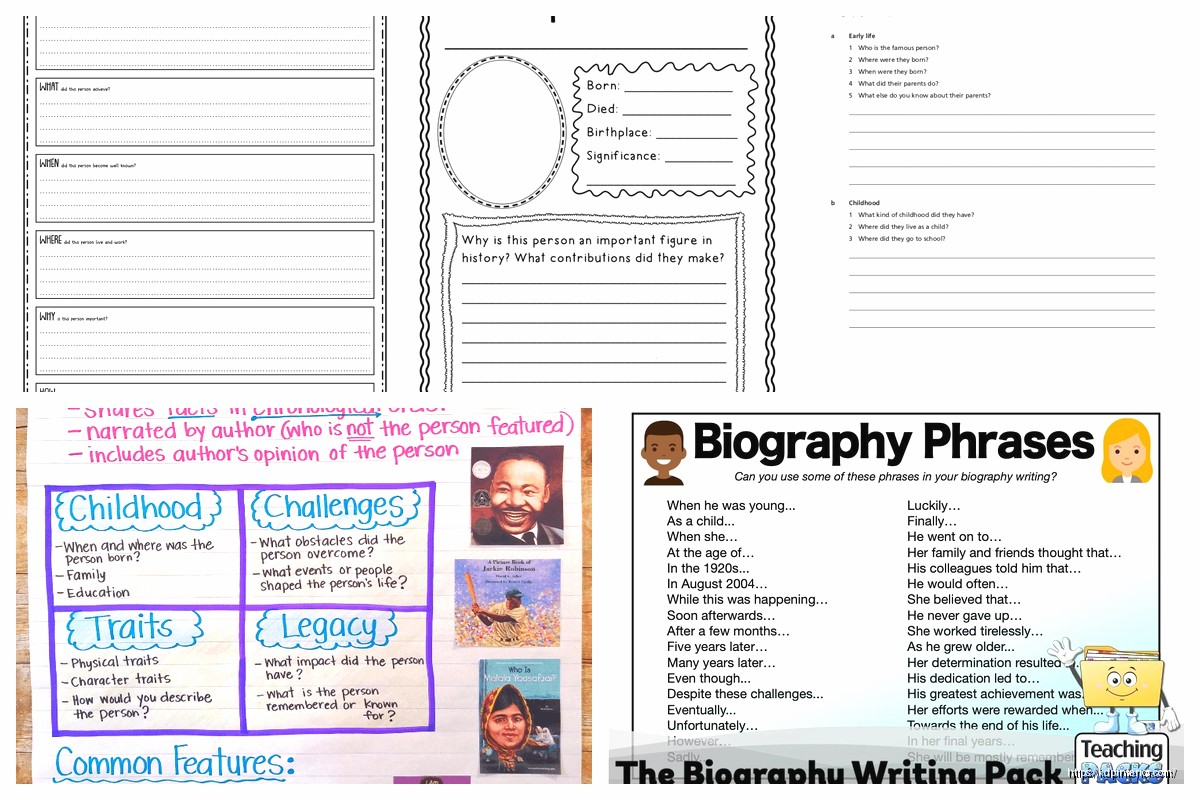
wait I forgot to mention – some biographies need a dedicated achievements section, especially if the person has a ton of awards or publications. The template format I use:
Awards and Honors:
- List in reverse chronological order (most recent first)
- Include: Award name, granting organization, year, brief context if not obvious
- Group by category if there are many (Professional Awards, Academic Honors, Community Recognition)
Publications:
- Books: Title, Publisher, Year, brief description or reception
- Articles: “Author Name, ‘Article Title,’ Publication Name, Date” – usually just list the most significant ones unless it’s an academic bio
- Other media: Podcasts, videos, courses – same format as articles
Speaking Engagements:
- Only major ones or representative sample
- Format: Event name, location, year, topic if relevant
I had a client with 47 awards and we spent an entire call figuring out which ones actually mattered. Turns out most people don’t care about the “Top 50 Under 50 in Regional Manufacturing” award from a magazine nobody’s heard of. Pick the impressive ones and cut the rest.
The Narrative Voice Decision
This is huge and people don’t think about it enough when creating biography templates. You gotta decide:
Third Person (He/She/They):
- Traditional biography format
- Creates professional distance
- Works for: company bios, historical records, reference materials
- Challenge: Can feel stuffy or overly formal
First Person (I/We):
- Memoir or personal narrative style
- Intimate and immediate
- Works for: personal websites, memoir-style books, personal essays
- Challenge: Can feel self-aggrandizing if not handled carefully
My template actually includes a note at the top: “VOICE: Third Person / First Person” so I remember to stay consistent. I once switched perspectives halfway through a bio and didn’t catch it until the client pointed it out. Super embarrassing.
For third person, I write like I’m a knowledgeable observer: “Johnson developed her approach through years of trial and error.” For first person, it’s: “I developed my approach through years of trial and error, mostly error if I’m being honest.”
Chronological vs Thematic Organization
okay so most biography templates default to chronological – birth to present day. That works fine for like 70% of biographies. But sometimes thematic makes way more sense.
When to use chronological:
- Life story shows clear progression and development
- Events build on each other in time-based sequence
- Historical context matters to understanding the person
- Traditional biographical format is expected
When to use thematic:
- Person excelled in multiple distinct areas (artist + activist + educator)
- Career had multiple parallel tracks
- Life doesn’t follow neat linear progression
- Specific aspects of their work/life are more important than timeline
For thematic, my template structure looks like:
- Introduction with overview of major themes
- Section for each major theme (with chronological progression WITHIN each theme)
- Integration section showing how themes connect
- Current status/legacy
I did a bio last year for someone who was simultaneously a software engineer, professional musician, and youth mentor. Chronological was a mess because she was doing all three things at once for 20 years. Thematic worked way better – section on engineering career, section on music career, section on mentorship work, then a final section about how all three informed each other.
Length Guidelines for Different Bio Types
Your template needs different versions depending on where it’ll be used. I keep these variants:
Ultra-Short (50-75 words):
- Name and current title/role
- One major credential or achievement
- Current work focus
- One personal touch if space allows
- Use for: Social media profiles, contributor bios, event programs
Short (150-200 words):
- Current position and credentials
- Career highlights (2-3 major points)
- Key achievements or expertise areas
- Brief personal information
- Use for: Website author pages, conference speaker bios, professional profiles
Medium (500-800 words):
- Comprehensive career overview
- Education background
- Major accomplishments and milestones
- Current work and future direction
- Personal life integration
- Use for: Detailed website bios, press kits, award nominations
Long (1500+ words):
- Full life story from relevant starting point
- Detailed career progression
- Personal life woven throughout
- Challenges, setbacks, comebacks
- Philosophy, approach, legacy
- Use for: Memoir-style pieces, historical records, comprehensive profiles
The template I actually use has brackets like [EXPAND FOR MEDIUM VERSION] or [LONG VERSION ONLY] so I know what to include at each length.
The Interview Template for Gathering Information
If you’re writing someone else’s biography, you need a solid interview framework. This is what I send clients before we talk:
Background Basics:
- Full legal name, any nicknames or alternate names used professionally
- Birth date and location
- Current location
- Family background relevant to your story
Education:
- Schools attended (focus on post-secondary unless earlier is crucial)
- Degrees, certifications, special training
- Formative educational experiences or mentors
Career Timeline:
- List all significant positions chronologically with dates
- For each position: What you did, what you achieved, why you moved on
- Projects or accomplishments you’re most proud of
- Failures or setbacks that taught you something
Achievements & Recognition:
- Awards, honors, recognitions
- Publications, presentations, media appearances
- Patents, innovations, or unique contributions
Personal Dimension:
- What do you want people to know about your life outside work?
- Relationships, family, personal experiences that shaped you
- Hobbies, interests, passions
- Challenges overcome (health, personal, professional)
Philosophy & Looking Forward:
- What drives you?
- What do you want your legacy to be?
- What are you working toward now?
- What do you want readers to understand about your story?
I also ask “What’s the story people always get wrong about you?” because that usually reveals something interesting they want corrected in the biography.
Common Biography Template Mistakes
After writing probably 50+ biographies for clients, these are the patterns I see people mess up:
The Resume Dump: Listing every job, every responsibility, every minor achievement. Nobody needs to know you were “responsible for coordinating team meetings and managing the supply closet.” If it doesn’t advance the narrative of who you are and what you accomplished, cut it.
The Humble Brag Problem: Trying to sound modest while also listing achievements makes for weird, tortured sentences. “Though she didn’t seek recognition, Johnson was honored to be named one of Forbes’ Top 100…” Just own your accomplishments. “Johnson was named one of Forbes’ Top 100…” Done.
Missing Transitions: Jumping from one life phase to another without explaining WHY. “In 2015, Chen left Google. In 2016, she founded EcoTech Solutions.” What happened in between? Why did she leave? What prompted the startup? The transitions are often more interesting than the destinations.
All Achievement, No Personality: Reading like a Wikipedia entry instead of a human story. Templates should prompt for personal details – what frustrated you about that job, what excited you about that project, what scared you about that decision.
Burying the Lede: Starting with birth date and childhood when the person didn’t do anything interesting until age 45. Start where it gets interesting, then backfill context as needed.
DISCOVER OUR FREE BEST SELLING PRODUCTS
Editable Canva Lined Journal: Express Your Thoughts – KDP Template
Lined Pages Journal 120 pages Ready to Upload PDF Commercial Use KDP Template 6×9 8.5×11 5×8 for Notebooks, Diaries, Low Content
Lined Pages Journal 120 pages Ready to Upload PDF Commercial Use KDP Template 6×9 8.5×11 5×8 for Notebooks, Diaries, Low Content
Cute Dogs Coloring Book for Kids | Activity Book | KDP Ready-To-Upload
Daily Planner Diary : Diary Planners for Everyday Productivity, 120 pages, 6×9 Size | Amazon KDP Interior
Wolf Coloring KDP interior For Adults, Used as Low Content Book, PDF Template Ready To Upload COMMERCIAL Use 8.5×11"
Coloring Animals Head Book for Kids, Perfect for ages 2-4, 4-8 | 8.5×11 PDF
Printable Blank Comic Book Pages PDF : Create Your Own Comics – 3 Available Sizes
Notes KDP interior Ready To Upload, Sizes 8.5×11 6×9 5×8 inch PDF FILE Used as Amazon KDP Paperback Low Content Book, journal, Notebook, Planner, COMMERCIAL Use
Black Lined Journal: 120 Pages of Black Lined Paper Perfect for Journaling, KDP Notebook Template – 6×9
Student Planner Journal 120 pages Ready to Upload PDF Commercial Use KDP Template 6×9" 8.5×11" for Low Content book
Recipe Journal Template – Editable Recipe Book Template, 120 Pages – Amazon KDP Interior