-
×
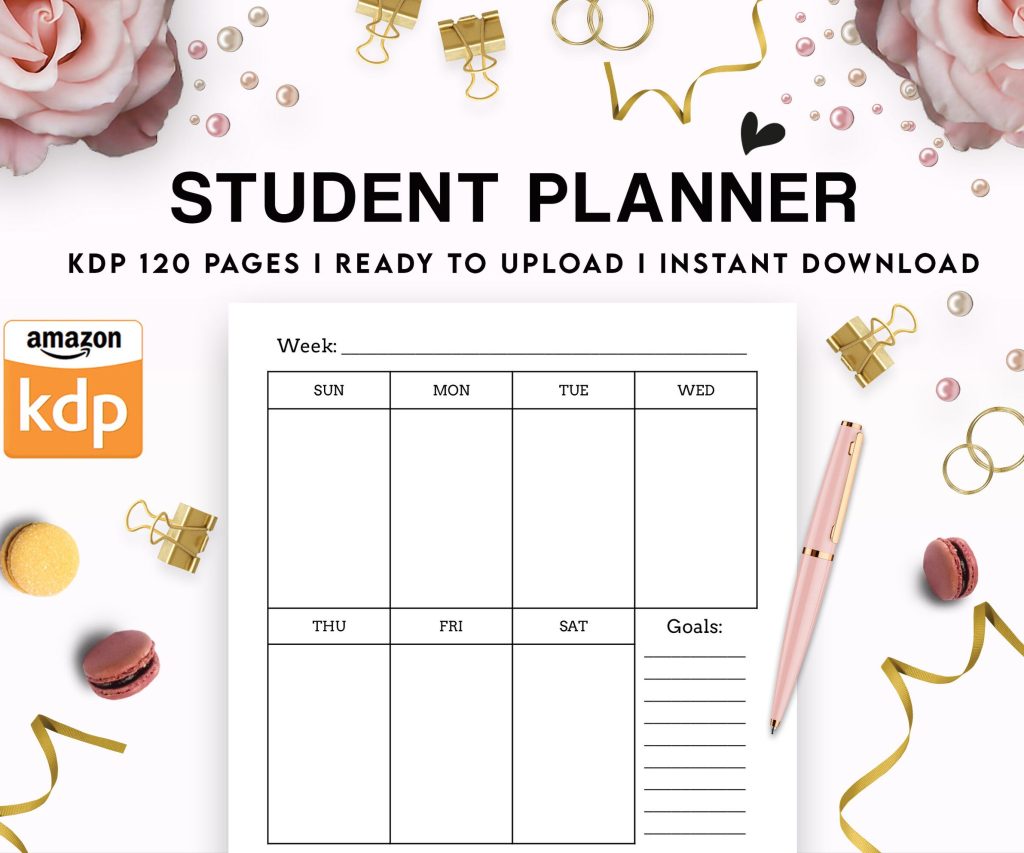 Student Planner Journal 120 pages Ready to Upload PDF Commercial Use KDP Template 6x9" 8.5x11" for Low Content book
1 × $0.00
Student Planner Journal 120 pages Ready to Upload PDF Commercial Use KDP Template 6x9" 8.5x11" for Low Content book
1 × $0.00
Subtotal: $0.00

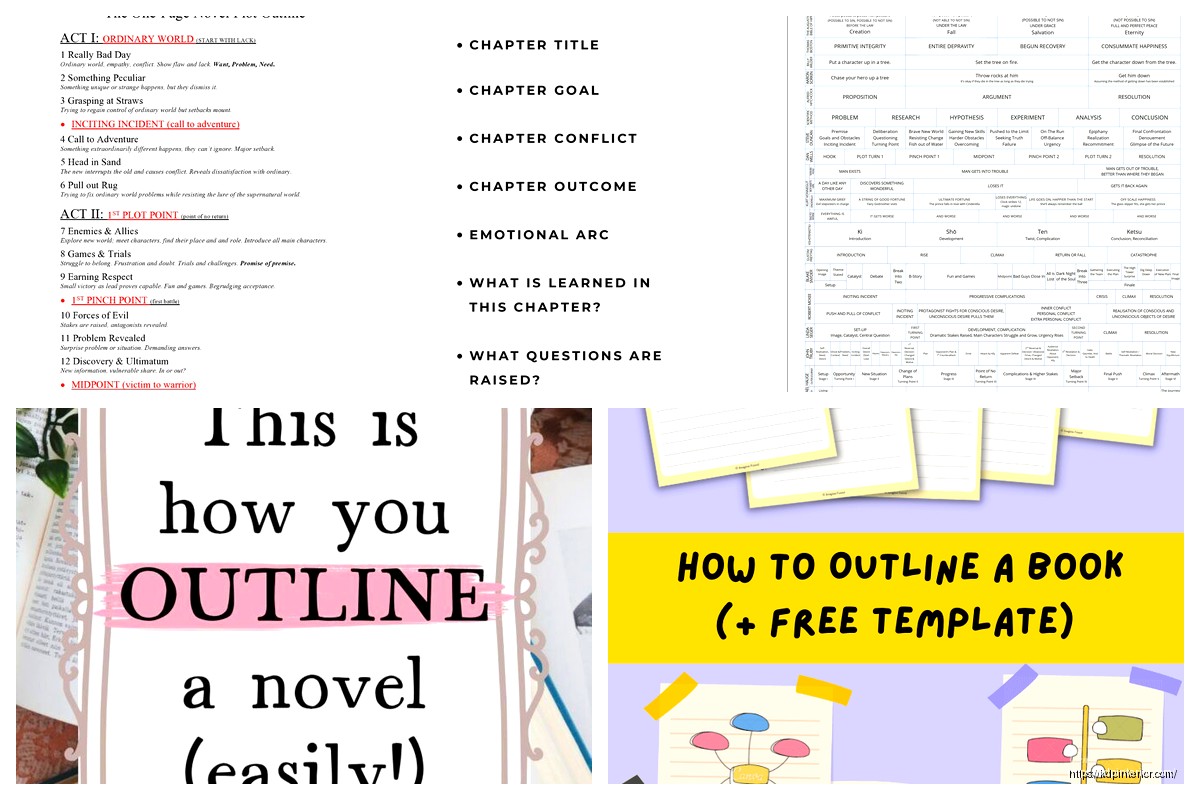
Okay so here’s the thing about book outlines – most people overthink them and I was totally guilty of this when I started. You don’t need some fancy system, you just need a framework that actually works for your brain.
I’m gonna start with what I use now after publishing like 200+ books because it’s dead simple. Three main sections: your hook/concept, your chapter breakdown, and your content buckets. That’s it. I spent probably my first year doing these elaborate outlines with color coding and subcategories and honestly? Waste of time.
The hook section is literally just 2-3 sentences about what makes your book different. Like for a cookbook it might be “30-minute meals using only 5 ingredients that don’t taste like cardboard.” For a self-help book maybe “productivity system for people who hate productivity systems.” You need this at the top because when you’re deep in chapter 7 and forgetting why you even started, it reminds you.
Here’s where people get weird about it. They think every chapter needs to be perfectly formed before they start writing. Nah. I use what I call the “bucket method” which sounds professional but I literally came up with it while watching The Office for the third time and my cat knocked over my coffee.
Each chapter gets:
The key thing is keeping it loose. I see so many new publishers freeze up because they feel locked into their outline. Your outline is a guide not a prison sentence.
So this is gonna sound weird but I organize everything into what I call content buckets before I even think about chapters. Let me explain – say you’re writing a book about starting a garden. Your buckets might be: soil prep, seed selection, watering systems, pest control, seasonal planning, tools needed.
You just dump everything you know or need to research into these buckets first. Don’t worry about order. Don’t worry about which chapter. Just brain dump into categories. I use Google Docs for this because I can access it anywhere and I’ve literally added ideas while waiting in line at the grocery store.
Once you have your buckets filled, THEN you start thinking about chapter flow. Maybe chapter 1 pulls from your “why garden” bucket and your “tools needed” bucket. Chapter 2 might be all soil prep plus some seed selection. See how that works?
Alright so here’s my literal template that I copy for every new book project:
Book Title: [working title] Target Word Count: [usually 20k-40k for my nonfiction] Core Promise: [what will readers be able to do after reading]
Section 1: Foundation
– Chapter 1:
– Chapter 2:
Section 2: Implementation
[repeat structure]
Section 3: Advanced/Troubleshooting
[repeat structure]
That’s it. I don’t do anything fancier than this anymore. The section headers help me think about the reader journey – foundation stuff first, then how to actually do it, then advanced tips.
People always ask this and honestly it depends on your topic and target length. For a 20k word book I usually do 8-12 chapters. For 40k maybe 15-20. But here’s what I learned the hard way – shorter chapters perform better on Kindle. People feel accomplished finishing a chapter and they keep reading.
I try to keep chapters between 1500-2500 words now. Some go longer if the topic needs it but that’s my target range. Makes the outline easier too because you can do the math backwards – if you want a 25k word book with 2k word chapters, you need about 12-13 chapters.
Oh and another thing – I add a research section to my outline template now. Under each chapter I note what I need to look up or verify. This saves so much time later because I’m not stopping mid-writing to google something. I just mark it in the outline, batch all my research, then write.
For my last gardening book (yeah I do a lot of different niches) I had like 30 research notes in my outline. Spent one afternoon knocking them all out, saved the info in the relevant chapter sections, then writing was smooth.
This is something I figured out around book 50 or so – you gotta plan where your stories and examples go in the outline phase. I used to just wing it while writing and end up with three examples in chapter 2 and none in chapter 8. Looks amateur.
Now in my outline I literally write [EXAMPLE: time I failed at X] or [STORY: client who did Y] in the spots where I want to include them. Doesn’t have to be the full story, just a reminder. Makes the actual writing way more engaging because you’re not just listing facts.
Here’s the deal – your outline will change and that’s fine. I’d say 80% of my books end up different from the original outline. Chapters get combined, new ones get added, the order shifts. The outline is just there to get you started and keep you roughly on track.
I actually keep a separate doc called “parking lot” for each book where I dump ideas that don’t fit the current outline. Sometimes they become bonus chapters, sometimes they’re seeds for the next book. But getting them out of my head and into that doc means they don’t distract me from the main outline.
Quick side note – I mostly do nonfiction but I’ve done some fiction low-content stuff and the outlining is different. For fiction you need your plot points, character arcs, that kind of thing. Way more complex. For nonfiction it’s really just organizing information in a logical order that serves the reader.
If you’re doing fiction, the three-act structure still works as your framework but you need more detail in the outline. Like act 1 setup, act 2 confrontation, act 3 resolution, and then break those into chapters with specific plot points.
Some people are visual thinkers and the text outline doesn’t work for their brain. I’ve seen people use:
Whatever works for your brain, use that. The format doesn’t matter, having SOME kind of plan matters.
Alright so mistakes I made and still see all the time:
Making it too detailed – you’ll never start writing because you’re stuck outlining forever. I’ve seen people spend months on outlines for books they never write.
Not detailed enough – if your outline is just chapter titles with no content notes, you’ll stare at a blank page when you sit down to write. Need that middle ground.
Ignoring your reader’s journey – your outline should follow a logical progression for the reader. Don’t jump around randomly between beginner and advanced concepts.
Forgetting the why – each chapter should have a purpose. If you can’t explain why a chapter is in the book, cut it or combine it with something else.
Here’s something I started doing that’s super helpful – before I write, I read through my complete outline and ask “if this was the table of contents, would I buy this book?” If chapters feel random or there are obvious gaps, I fix it in the outline stage. Way easier than fixing a drafted manuscript.
I also share my outlines with a couple trusted people now. Not for validation but to spot confusion. If someone reads your outline and goes “wait why does chapter 8 come before chapter 6 logically” – you found a problem early.
Don’t spend more than a day or two on your outline. Seriously. I used to spend weeks and it’s just procrastination disguised as preparation. Set a timer if you have to. Get the framework down, fill in the main points, then start writing.
You can always revise the outline as you write. I keep mine open in a second window and update it constantly. Cross out finished chapters, add notes about changes, adjust upcoming chapters based on what I learned writing the previous ones.
The outline is a living document not a contract okay that’s the mindset shift that helped me most.
Before you start writing from your outline, make sure you have:
If you have those seven things, you’re ready to write. Don’t overcomplicate it beyond that.
The whole point of the outline is to make the writing easier, not to create another barrier to starting. I wasted probably a year of my publishing career thinking I needed the perfect outline system when really I just needed something good enough to keep me on track.
Oh wait I forgot to mention – I also put my target keywords in the outline now. Like if I’m writing a book about sourdough bread, I’ll note “sourdough starter” “artisan bread” “bread baking for beginners” somewhere in the outline so I remember to naturally include them. Helps with Amazon SEO without being weird about it.
Anyway that’s basically how I approach book outlines now. Took me way too long to figure out that simpler is better and that starting is more important than having everything perfect. Your outline just needs to be good enough to guide you through the writing process, that’s literally it.
DISCOVER OUR FREE BEST SELLING PRODUCTS
Editable Canva Lined Journal: Express Your Thoughts – KDP Template
Lined Pages Journal 120 pages Ready to Upload PDF Commercial Use KDP Template 6×9 8.5×11 5×8 for Notebooks, Diaries, Low Content
Lined Pages Journal 120 pages Ready to Upload PDF Commercial Use KDP Template 6×9 8.5×11 5×8 for Notebooks, Diaries, Low Content
Cute Dogs Coloring Book for Kids | Activity Book | KDP Ready-To-Upload
Daily Planner Diary : Diary Planners for Everyday Productivity, 120 pages, 6×9 Size | Amazon KDP Interior
Wolf Coloring KDP interior For Adults, Used as Low Content Book, PDF Template Ready To Upload COMMERCIAL Use 8.5×11"
Coloring Animals Head Book for Kids, Perfect for ages 2-4, 4-8 | 8.5×11 PDF
Printable Blank Comic Book Pages PDF : Create Your Own Comics – 3 Available Sizes
Notes KDP interior Ready To Upload, Sizes 8.5×11 6×9 5×8 inch PDF FILE Used as Amazon KDP Paperback Low Content Book, journal, Notebook, Planner, COMMERCIAL Use
Black Lined Journal: 120 Pages of Black Lined Paper Perfect for Journaling, KDP Notebook Template – 6×9
Student Planner Journal 120 pages Ready to Upload PDF Commercial Use KDP Template 6×9" 8.5×11" for Low Content book
Recipe Journal Template – Editable Recipe Book Template, 120 Pages – Amazon KDP Interior