-
×
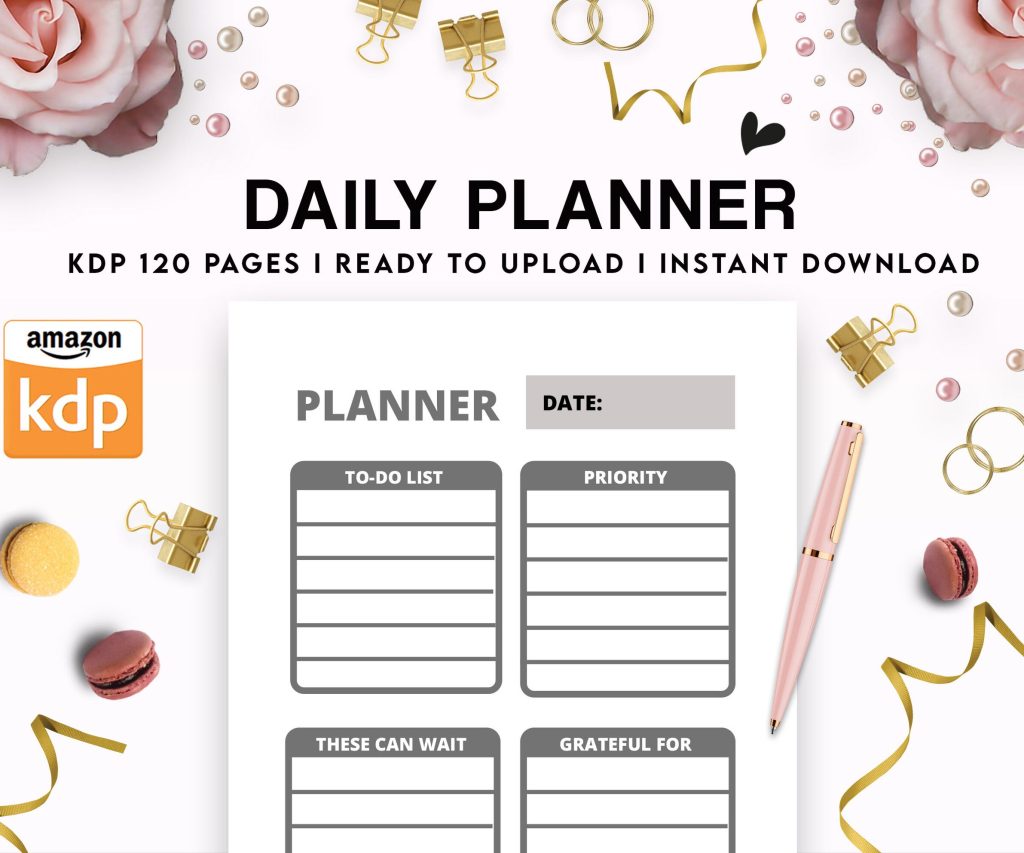 Daily Planner Diary : Diary Planners for Everyday Productivity, 120 pages, 6×9 Size | Amazon KDP Interior
1 × $0.00
Daily Planner Diary : Diary Planners for Everyday Productivity, 120 pages, 6×9 Size | Amazon KDP Interior
1 × $0.00
Subtotal: $0.00
 Daily Planner Diary : Diary Planners for Everyday Productivity, 120 pages, 6×9 Size | Amazon KDP Interior
1 × $0.00
Daily Planner Diary : Diary Planners for Everyday Productivity, 120 pages, 6×9 Size | Amazon KDP Interior
1 × $0.00 Subtotal: $0.00
Okay so I’ve been helping people structure their memoirs for years now and honestly the biggest mistake everyone makes is thinking they need to write their entire life story from birth to present day. You don’t. Nobody wants to read that unless you’re Obama or something.
The template I use with clients starts with figuring out what your memoir is actually ABOUT. Like, what’s the central theme? Is it about overcoming addiction, navigating a messy divorce, immigrating to a new country, dealing with loss? Pick one thing. Maybe two if they’re super connected. But your memoir needs a spine, not just a chronological list of stuff that happened to you.
Most good memoirs cover like 2-5 years max. Sometimes even less. Cheryl Strayed’s Wild is basically about a three-month hiking trip. Yeah she weaves in backstory but the present-tense narrative is focused. So in your template you wanna identify:
I literally make people write these three things at the top of a doc before they write anything else. Because if you can’t identify when your story starts and ends, you’re gonna meander for 400 pages and nobody’s publishing that.
Your first chapter needs to drop readers into a MOMENT. Not “I was born in 1982 in a small town.” That’s boring. Start with a scene that has:
Like if your memoir is about recovering from a car accident, maybe start with you in the hospital bed hearing the doctor say you might not walk again. Or the moment of impact. Or your first physical therapy session where you’re face-down crying on a mat. Something SPECIFIC.
I was watching The Bear the other night and thinking about how every episode drops you right into chaos, and memoirs kinda need that same energy. You’re competing with Netflix for people’s attention, you gotta hook them fast.
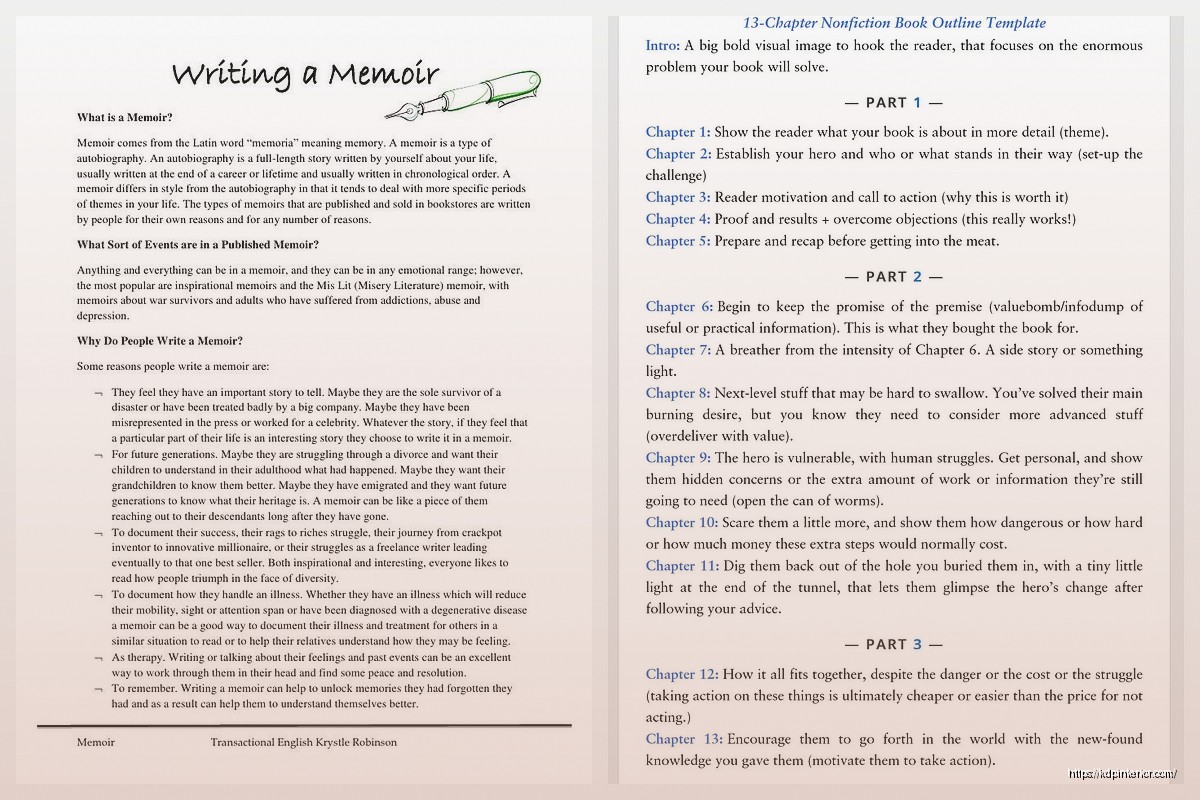
Here’s the template I use for mapping out chapters. Each chapter should be like a self-contained essay that also moves the larger narrative forward:
Chapter Opening: Present-tense scene or moment that illustrates the chapter’s theme
Middle Section: Backstory, context, or related memories that deepen understanding. This is where you can jump around in time but make it clear you’re doing that.
Chapter Ending: Return to present timeline or end on a reflection/realization that propels you into the next chapter
Most memoir chapters I edit are like 2000-4000 words. Short enough to read in one sitting but long enough to develop ideas. You don’t want 47 tiny chapters or 8 massive ones. Aim for like 15-25 chapters total for a standard memoir.
Okay so this is gonna sound weird but you need a system for flashbacks or you’ll confuse readers. In your template create a rule for yourself:
I see so many memoir drafts where someone’s telling me about their divorce and suddenly we’re reading 10 pages about their childhood dog and I’m like… how does this connect? If it doesn’t illuminate something about the main narrative, cut it. Save it for memoir number two.
You gotta introduce the key people in your life but you can’t just list facts about them. Create a quick template for each major person:
Name + relationship to you
Physical detail that matters (not just “she had brown hair” but like “she picked at her cuticles when lying”)
Their want or need in YOUR story
A specific scene that captures who they are
Your memoir isn’t about making everyone look good. It’s about truth. But also you’re gonna get pushback from family so maybe use that template to figure out who you might need to disguise or get permission from. I always tell people to change identifying details of anyone who isn’t central to the story.
Oh and another thing – don’t have too many characters. If you’re introducing more than like 8-10 people by name, readers will lose track. Combine minor characters or just refer to “a coworker” or “my aunt” without names.
This is where memoir writers either do too much or too little. You need reflection – that’s what separates memoir from just recounting events – but you can’t stop every paragraph to tell us what you learned.
Template ratio I use: For every 3 pages of scene/action/dialogue, you get about 1 page of reflection/analysis. Weave it in naturally. Show us the moment you realized something rather than just telling us “I realized I was afraid of intimacy.” Like, show us the moment you pushed someone away, then maybe a paragraph of reflection on why.
In your planning template, map out the emotional journey. I literally make a graph sometimes. Where are you at your lowest point? Highest? When do small victories happen? Your memoir needs emotional variation or it’s just monotone complaining or monotone triumph. Neither works.
You’re not gonna remember exact conversations from 10 years ago. That’s fine. Memoir allows for reconstructed dialogue. But make it sound like how people actually talk. In your template, maybe keep notes on:
Don’t write dialogue like a screenplay. You need he said/she said tags, you need action beats between lines, you need interior thought woven in.
Something like: “I can’t do this anymore,” she said, and I watched her fold the dish towel into smaller and smaller squares, the way she always did when she was anxious. I wanted to tell her we could figure it out, but the words stuck in my throat.
See how that’s more than just the spoken words? That’s memoir dialogue.
Wait I forgot to mention – even though it’s YOUR story, you might need to research stuff. Like if you’re writing about a medical crisis, you should probably get the medical terms right. If you’re writing about a historical period you lived through, check dates and events.
Keep a research doc separate from your manuscript where you dump:
I had a client writing about growing up in the 80s and she kept getting pop culture references wrong by like 2-3 years and readers WILL call you out on that stuff.
You’re not gonna remember everything. Template solution: be honest about it in the text. You can literally write “I don’t remember what she said exactly, but the gist was…” or “The details are fuzzy, but what I remember clearly is the feeling of…”
Readers appreciate honesty about the limitations of memory. It makes your memoir more trustworthy, not less. Don’t make stuff up to fill gaps. Just acknowledge them and move on.
Not everything needs to be a full scene. In your template, decide:
Write as SCENE if:
Write as SUMMARY if:
Like you don’t need a whole scene about every therapy appointment. Maybe summarize “I went to therapy twice a week for six months” and then give us ONE scene from a breakthrough session.
Memoirs don’t need neat bows. Life doesn’t work that way. But you do need a sense of closure or at least arrival at a new understanding. In your template, plan:
Don’t end with “and that’s when I learned that love conquers all” or some platitude. End with something specific and real. Maybe you’re standing in your new apartment, or you’re at your kid’s graduation, or you’re just making coffee on a random Tuesday and you realize you’re okay now.
Okay so once you have a draft, go through with this checklist:
My dog just knocked over my water bottle so I gotta go deal with that but honestly the biggest thing with memoir templates is they’re meant to be broken. Use structure as a starting point but let your actual story dictate the shape. Some memoirs are chronological, some bounce around, some use a framing device. Figure out what serves YOUR story best and then commit to that structure hard.
DISCOVER OUR FREE BEST SELLING PRODUCTS
Editable Canva Lined Journal: Express Your Thoughts – KDP Template
Lined Pages Journal 120 pages Ready to Upload PDF Commercial Use KDP Template 6×9 8.5×11 5×8 for Notebooks, Diaries, Low Content
Lined Pages Journal 120 pages Ready to Upload PDF Commercial Use KDP Template 6×9 8.5×11 5×8 for Notebooks, Diaries, Low Content
Cute Dogs Coloring Book for Kids | Activity Book | KDP Ready-To-Upload
Daily Planner Diary : Diary Planners for Everyday Productivity, 120 pages, 6×9 Size | Amazon KDP Interior
Wolf Coloring KDP interior For Adults, Used as Low Content Book, PDF Template Ready To Upload COMMERCIAL Use 8.5×11"
Coloring Animals Head Book for Kids, Perfect for ages 2-4, 4-8 | 8.5×11 PDF
Printable Blank Comic Book Pages PDF : Create Your Own Comics – 3 Available Sizes
Notes KDP interior Ready To Upload, Sizes 8.5×11 6×9 5×8 inch PDF FILE Used as Amazon KDP Paperback Low Content Book, journal, Notebook, Planner, COMMERCIAL Use
Black Lined Journal: 120 Pages of Black Lined Paper Perfect for Journaling, KDP Notebook Template – 6×9
Student Planner Journal 120 pages Ready to Upload PDF Commercial Use KDP Template 6×9" 8.5×11" for Low Content book
Recipe Journal Template – Editable Recipe Book Template, 120 Pages – Amazon KDP Interior