Okay so last month I had this client who wanted to pump out romance novels fast and she asked me straight up – “Daniel how do I even start with outlining” and honestly it’s one of those things that sounds way more complicated than it actually is.
Start With Your End Point Because Everything Else is Easier
Here’s what I always tell people – figure out where your book ends first. I know that sounds backwards but think about it like planning a road trip. You gotta know the destination before you can map the route right? So sit down and write one sentence about how your story ends. Not the epilogue stuff, just the climactic moment.
For example if you’re writing a thriller maybe it’s “Detective Sarah confronts the killer in the abandoned warehouse and barely makes it out alive” or whatever. Romance could be “After almost losing each other they finally admit they’re in love at the airport” – you know the drill.
I spent like three years not doing this and wondering why my outlines always fell apart halfway through. Then one night I was watching some random YouTube video about screenwriting while my cat was knocking stuff off my desk and this guy said something that clicked – every scene should move you toward that ending or it’s dead weight.
The Three Act Thing Everyone Talks About But Makes Too Complicated
So yeah the three act structure. Act One is roughly 25% of your book, Act Two is about 50%, and Act Three is the last 25%. But here’s the thing nobody tells you – don’t get obsessed with the exact percentages because you’ll drive yourself crazy.
Act One is basically: introduce your main character in their normal world, show what they want or need, then something happens that disrupts everything. That disruption is your inciting incident and it usually happens around 10-15% into the story.
I had this client last year writing a fantasy novel and she spent six months trying to make her Act One exactly 25% and it was killing her momentum. I finally told her just get your character from normal life to the adventure starting and stop counting words. She finished the draft in two months after that.
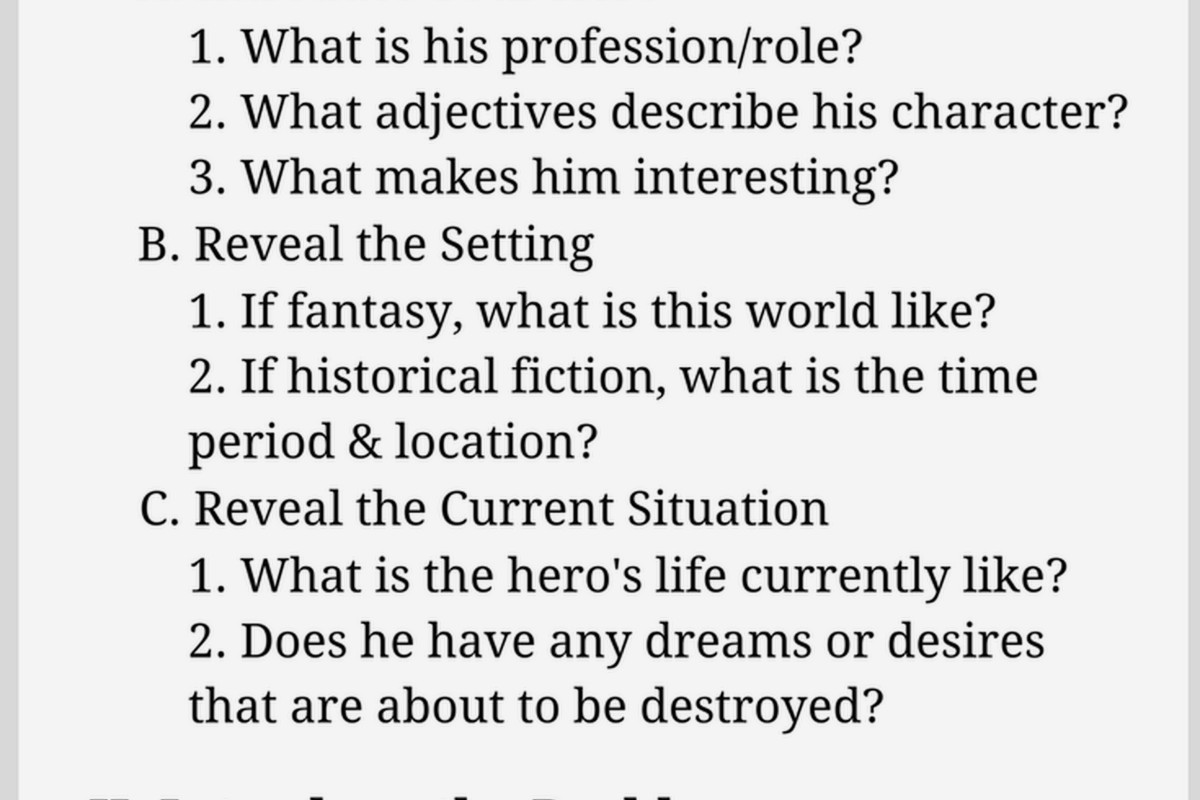
Act One Breakdown For Your Outline
When you’re outlining Act One you want maybe 5-7 major scenes. Here’s what I usually map out:
- Opening scene showing character in their normal world with their normal problems
- Hint at the deeper issue or desire they have
- The inciting incident – the thing that kicks off the story
- Initial reaction or refusal
- Debate or preparation phase
- Commitment to the journey – this is your Act One ending
You don’t need every little detail here. Just bullet points like “Chapter 3 – Jenny discovers her husband’s secret bank account” or whatever fits your story. The outline is supposed to make writing easier not turn into another novel itself.
Act Two is Where Everyone Gets Lost So Here’s The Map
Okay so Act Two is the longest part and it’s where most people’s outlines turn into mush. I see this constantly with the authors I consult for. They start strong then Act Two becomes “stuff happens” and that’s not gonna work.
Split Act Two into two parts – Act 2A and Act 2B. The midpoint between them is crucial and I’m gonna sound like a broken record about this but the midpoint needs to change something fundamentally.
Act 2A is your character actively pursuing their goal but they’re still kinda naive or using old methods. They might have some small wins but they don’t really get it yet. Then at the midpoint something major happens – either a false victory that’s about to collapse or a major defeat that changes their approach.
Act 2B is darker usually. The stakes raise, things get more complicated, and your character starts running out of options. This builds to the lowest point which is right before Act Three starts.
How I Actually Outline Act Two Without Losing My Mind
This is gonna sound weird but I use a spreadsheet. Not because I’m some super organized person – my desk is a mess and I forgot to return a client call yesterday – but because Act Two needs structure or it bloats.
Make columns for: Scene number, POV character if you have multiple, Goal of scene, Conflict/obstacle, Outcome, and New story information revealed. You don’t need to fill this out completely before you start writing but having the framework helps.
For Act 2A I usually plan 8-12 major scenes and same for Act 2B. These are your tent pole moments. The smaller scenes in between you can discovery write or add as needed.
Wait I forgot to mention – the midpoint scene itself needs to be BIG. This isn’t a quiet moment. This is where Han Solo gets frozen in carbonite or where the detective realizes the killer is someone close to them or where the romance characters finally kiss but then everything goes wrong. Make it memorable.
Pinch Points and Why They Matter More Than You Think
So there’s these things called pinch points that sit between your act breaks and the midpoint. First pinch point comes between Act One and the midpoint. Second pinch point comes between midpoint and Act Three.
Pinch points remind the reader what’s at stake and show the antagonistic force – whether that’s a villain, society, nature, internal demons, whatever. A lot of romance writers skip this because they think pinch points are only for thrillers but nah. In romance your pinch points might be moments that remind us why these characters can’t be together or what they risk by being together.
I outline these as specific scenes. First pinch point might be “Detective sees crime scene photos that show the killer is escalating” or “Heroine overhears hero on phone call that confirms her fears about his past.” Second pinch point is usually more intense – closer to the dark night of the soul territory.
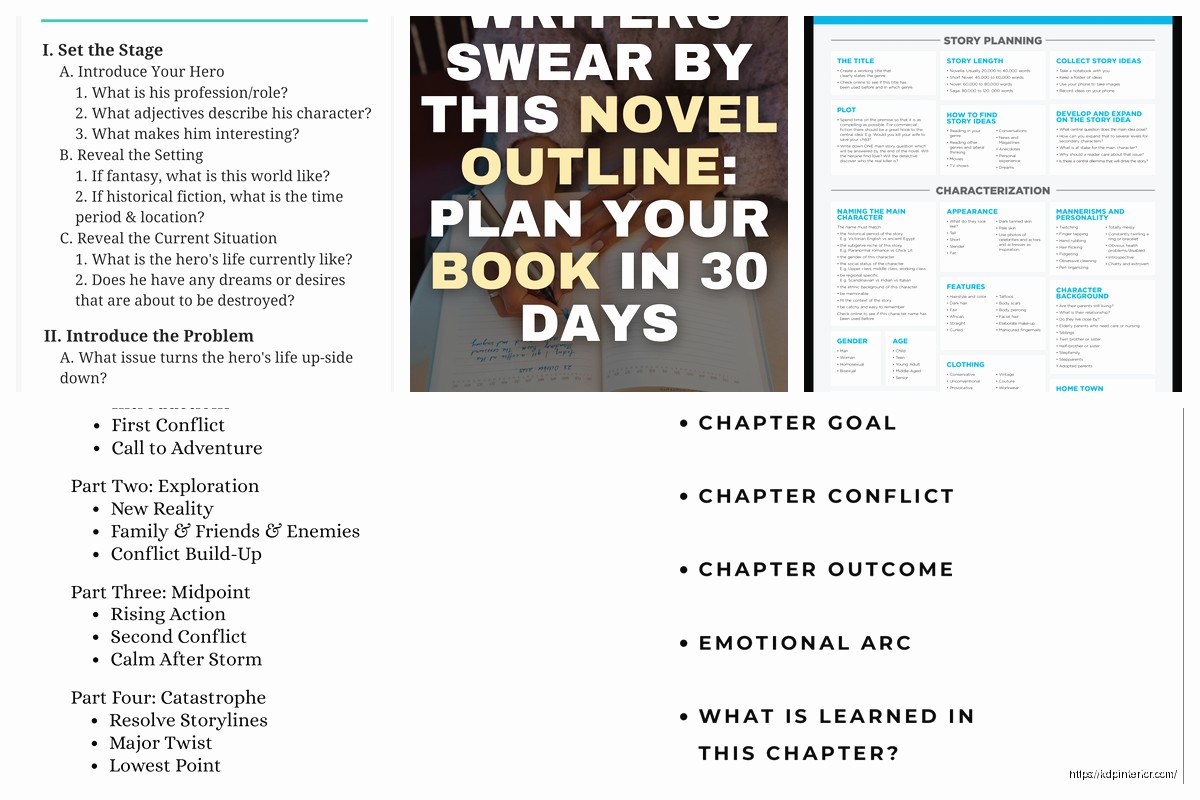
Scene List Template That Actually Works
Okay so here’s what my actual outline document looks like for most projects and yeah I’ve used this for over 100 books at this point:
- Opening Image – One scene showing character’s normal world and their surface problem
- Setup Scenes – 3-5 scenes establishing character, relationships, world, and deeper needs
- Inciting Incident – The event that disrupts everything
- Debate/Reaction – 2-3 scenes of character dealing with the incident
- Break into Two – Character commits to the journey, enters new world/situation
- B Story Introduction – Often a relationship or subplot that mirrors the theme
- Fun and Games – 4-6 scenes of the “promise of the premise” – deliver what your genre promises
- First Pinch Point – Reminder of antagonistic force
- Building Tension – 3-4 scenes raising stakes
- Midpoint – Major shift, false victory or significant defeat
- Bad Guys Close In – 4-6 scenes where everything gets harder, external and internal pressure mounts
- Second Pinch Point – Another reminder of what’s at stake, usually darker
- All Is Lost – The lowest moment, seems impossible to win
- Dark Night of the Soul – Character processing the loss, often brief
- Break into Three – Character finds the solution, has the realization they needed
- Finale – 5-8 scenes of the final confrontation/resolution playing out
- Final Image – Mirror of opening showing how character has changed
That’s like the skeleton. Your book might need more or fewer scenes but this gives you the major beats to hit.
The Character Arc Needs To Live Inside Your Plot Structure
Oh and another thing – your outline isn’t just plot events. You gotta track the internal character journey too or your story feels hollow. I learned this the hard way when I published this mystery novella back in 2018 and readers kept saying the solution was satisfying but they didn’t care about the detective. Ouch.
So now when I outline I note the character’s internal state at each major beat. At the beginning they believe something false or they’re missing some key understanding about themselves. The events of the story challenge that belief.
Like if you’re writing a romance and your heroine believes she’s not worthy of real love because of past trauma – your plot events need to systematically challenge that belief. By the midpoint maybe she’s starting to question it. By the dark night of the soul she’s confronting it head on. By the end she’s proven it false.
In your outline just add a quick note under each major scene about where the character is emotionally. “Chapter 15 – Jake confronts the mob boss (Jake starting to believe he can be brave like his father was)” – something simple like that.
Subplots Need Their Own Mini Structure
Subplots are tricky in an outline because they can clutter everything up real fast. Here’s what works for me – pick your 1-3 most important subplots and give each one its own mini three act structure that weaves through the main plot.
So if your thriller has a main plot about catching a serial killer and a subplot about the detective’s failing marriage – that marriage subplot needs its own beginning middle and end. It starts with establishing the marriage is in trouble, escalates through the middle as the case takes more time away from home, hits its own crisis point (maybe around your main plot’s all is lost moment), and resolves in Act Three.
Don’t try to outline every tiny subplot though. Minor character arcs and small side stories can be looser. I usually just note “continue developing the partner’s drinking problem” in a few scenes rather than plotting every beat of it.
Color Coding Saved My Outlines Honestly
This is gonna sound dorky but I color code my outline document. Main plot is black text, romantic subplot is red, family relationship subplot is blue, internal character arc notes are green. It lets me see at a glance if I’m neglecting something.
Like if I scroll through and see barely any red in Act 2B I know I’ve dropped the romance thread and need to weave it back in. Visual stuff like this helps because my client canceled yesterday so I spent a few hours comparing outline methods and the ones that have visual organization always work better for me than pure text walls.
How Much Detail To Actually Include
Okay so the eternal question – how detailed should your outline be. And honestly this depends on you but here’s what I’ve seen work across hundreds of books.
For each major scene write 2-5 sentences covering: who’s in it, what the character wants in this scene, what goes wrong or what opposes them, how it ends, and what new information comes out. That’s it.
Don’t write the actual prose. Don’t get flowery. Just the facts. “Chapter 8 – Maria goes to her ex-boyfriend’s apartment to get her stuff back. He’s not there but his new girlfriend is and she’s wearing Maria’s necklace. They argue and the girlfriend reveals something about why he really left. Maria storms out with the necklace but without closure. Reader learns the ex is in financial trouble.”
That’s plenty. You know what happens, why it matters, and how it connects to the larger story. When you sit down to actually write Chapter 8 you can be creative with dialogue and description and all that but the roadmap is there.
Some people do less – just a single sentence per scene. Some do more – almost a full synopsis of each scene. Try different levels and see what makes the actual writing easier for you.
The Chapter Thing is Honestly Not That Important Right Now
People get hung up on chapter breaks when outlining and it’s like… don’t worry about that yet. Outline by scenes and beats not by chapters. You can figure out where to put chapter breaks later when you’re writing or even during revision.
Some scenes are one chapter. Sometimes three scenes make one chapter. Sometimes one scene spans two chapters with a break at a tense moment. This is a formatting decision not a story structure decision.
I’ve published books with 15 chapters and books with 60 chapters and the outline process was the same – focus on story beats first, chapter divisions later.
Testing Your Outline Before You Write 50k Words
Here’s something I started doing around year three of publishing that saved me so much revision time. Before you start drafting read through your whole outline in one sitting and ask these questions:
- Does each scene move the story forward or reveal character or preferably both?
- Are the stakes escalating as I go through Act Two?
- Does my character actually change from beginning to end?
- Is there a clear cause and effect chain from scene to scene?
- Would I want to read this if someone else wrote it?
If something feels off in the outline it’s gonna feel worse in the full draft. Fix it now. Move scenes around, cut boring parts, add tension where it’s sagging.
I also do this thing where I describe my plot out loud to someone – my wife usually or sometimes just my cat honestly – and if I’m saying “and then um… well this happens because… okay so there’s this scene where…” and I’m struggling to explain it, that’s a red flag that section needs work.
Genre Specific Structure Variations
So everything I’ve said so far is pretty universal but different genres have their own expectations and you gotta account for that in your outline.
Romance needs a strong romantic arc alongside the external plot. Your couple needs meet-cute in Act One, growing attraction and bonding in Act 2A, a major relationship milestone at midpoint (often first kiss or first intimate moment), a black moment breakup in the all is lost section, and grand gesture reconciliation in Act Three. If your outline doesn’t have clear romance beats your romance readers will be disappointed.
Mystery and thriller readers expect clues, red herrings, and escalating danger. Your outline should track what information the detective discovers when, which suspects get introduced and ruled out, and how the danger to the protagonist personally increases. The midpoint often involves a major clue or a failed attempt to catch the antagonist.
Fantasy needs world-building woven in but don’t info-dump. In your outline note where you’re introducing magic system rules, cultural details, history etc. Spread it out. The inciting incident often involves the character discovering hidden magical abilities or being thrust into the magical world if you’re doing that portal fantasy thing.
Watch Out For Genre Hybrid Confusion
If you’re writing a genre hybrid like romantic suspense or sci-fi mystery your outline needs to serve both masters. Both the romance beats AND the mystery beats need to be there hitting at the right times.
This is actually harder to outline than single genre because you’re juggling two structural expectations. I usually outline the primary genre fully first then weave in the secondary genre’s requirements. So for romantic suspense I’d outline the suspense plot with all its beats then go back through and add the romance arc moments.
Discovery Writing Inside Your Outline Structure
Okay so some of you are probably thinking this sounds way too restrictive and where’s the creativity and all that. Here’s the thing – the outline is your safety net not your prison.
When I’m actually drafting I deviate from the outline all the time. A character does something unexpected or I think of better dialogue or a whole new scene idea emerges. That’s fine. Great even. The outline is there so you don’t get lost not so you can’t explore.
But – and this is important – when you deviate significantly stop and update your outline. If you skip a planned scene or add three new ones adjust the rest of the outline accordingly. Otherwise you get to Act Three and realize nothing lines up anymore.
I think of it like having GPS on a road trip. Yeah you have the route but if you see a cool detour you can take it. Just update your GPS so you know how to get back on track.
The Revision Outline Is Different From The Planning Outline
Wait I forgot to mention this earlier – after you finish your first draft make a new outline. I know that sounds backwards but trust me. Go through your completed manuscript and outline what you actually wrote scene by scene.
This reverse outline shows you what your book really is versus what you planned. You’ll see pacing issues, missing beats, scenes that don’t pull their weight, subplots that vanished halfway through. It’s easier to fix structure problems when you can see them laid out in outline form rather than buried in 80k words of prose.
I do this for every book before major revisions and it catches so much stuff. Like I’ll see I have eight scenes in a row without my B plot appearing and I’m like oh yeah that’s why that section drags.
Tools That Actually Help Versus Tools That Just Procrastinate
People always ask what software to use for outlining. Honestly? Doesn’t matter that much. I’ve used Google Docs, Scrivener, Word, even just a notebook. The tool is less important than actually doing the work.
That said Scrivener is pretty good for outlining because you can move scenes around easily and see everything in a corkboard view. But it has a learning curve and some people spend more time learning the software than outlining their book so.
Google Docs is free and works fine. You can use headings for acts and scenes, color code stuff, share it with writing partners or beta readers easily. Plus it auto-saves which has saved my butt more than once when my computer decided to update itself randomly.
Some people love index cards either physical or digital ones. Write one scene per card, lay them all out, move them around. This works great if you’re a visual thinker.

 Lined Pages Journal 120 pages Ready to Upload PDF Commercial Use KDP Template 6x9 8.5x11 5x8 for Notebooks, Diaries, Low Content
1 × $0.00
Lined Pages Journal 120 pages Ready to Upload PDF Commercial Use KDP Template 6x9 8.5x11 5x8 for Notebooks, Diaries, Low Content
1 × $0.00  Recipe Journal Template - Editable Recipe Book Template, 120 Pages - Amazon KDP Interior
1 × $0.00
Recipe Journal Template - Editable Recipe Book Template, 120 Pages - Amazon KDP Interior
1 × $0.00 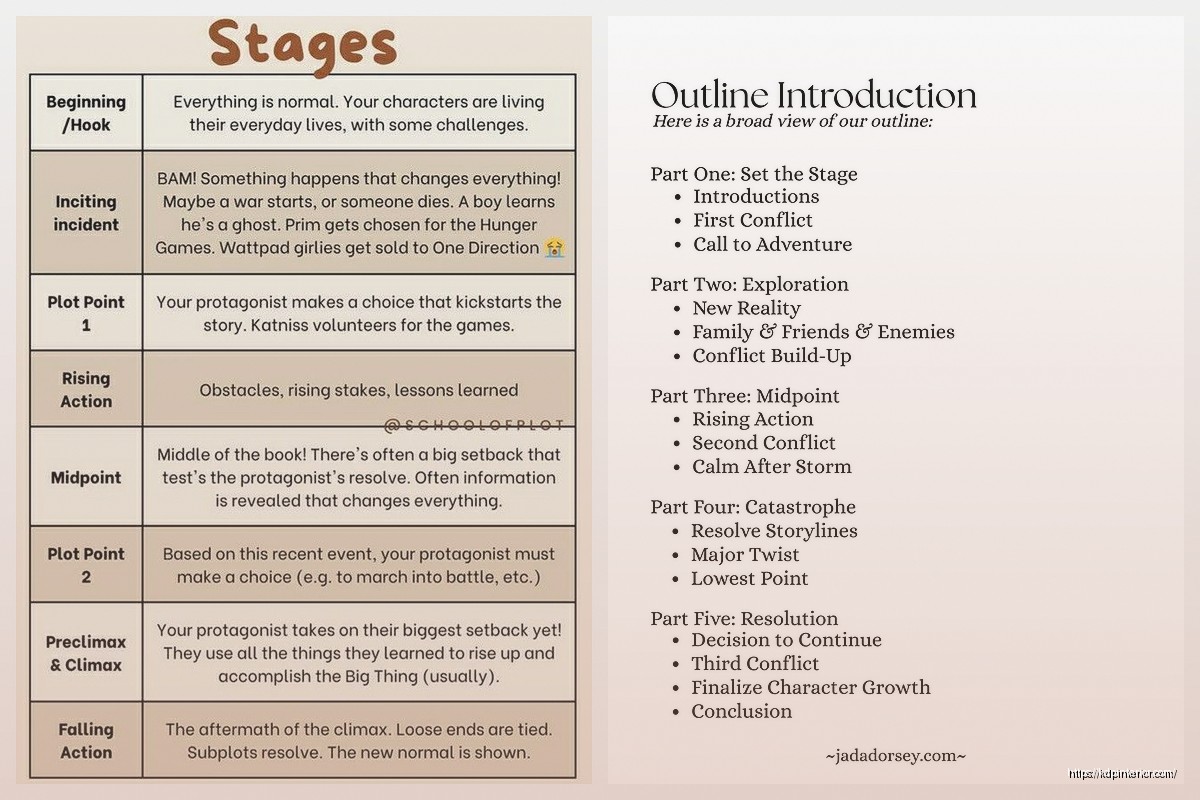
DISCOVER OUR FREE BEST SELLING PRODUCTS
Editable Canva Lined Journal: Express Your Thoughts – KDP Template
Lined Pages Journal 120 pages Ready to Upload PDF Commercial Use KDP Template 6×9 8.5×11 5×8 for Notebooks, Diaries, Low Content
Lined Pages Journal 120 pages Ready to Upload PDF Commercial Use KDP Template 6×9 8.5×11 5×8 for Notebooks, Diaries, Low Content
Cute Dogs Coloring Book for Kids | Activity Book | KDP Ready-To-Upload
Daily Planner Diary : Diary Planners for Everyday Productivity, 120 pages, 6×9 Size | Amazon KDP Interior
Wolf Coloring KDP interior For Adults, Used as Low Content Book, PDF Template Ready To Upload COMMERCIAL Use 8.5×11"
Coloring Animals Head Book for Kids, Perfect for ages 2-4, 4-8 | 8.5×11 PDF
Printable Blank Comic Book Pages PDF : Create Your Own Comics – 3 Available Sizes
Notes KDP interior Ready To Upload, Sizes 8.5×11 6×9 5×8 inch PDF FILE Used as Amazon KDP Paperback Low Content Book, journal, Notebook, Planner, COMMERCIAL Use
Black Lined Journal: 120 Pages of Black Lined Paper Perfect for Journaling, KDP Notebook Template – 6×9
Student Planner Journal 120 pages Ready to Upload PDF Commercial Use KDP Template 6×9" 8.5×11" for Low Content book
Recipe Journal Template – Editable Recipe Book Template, 120 Pages – Amazon KDP Interior