-
×
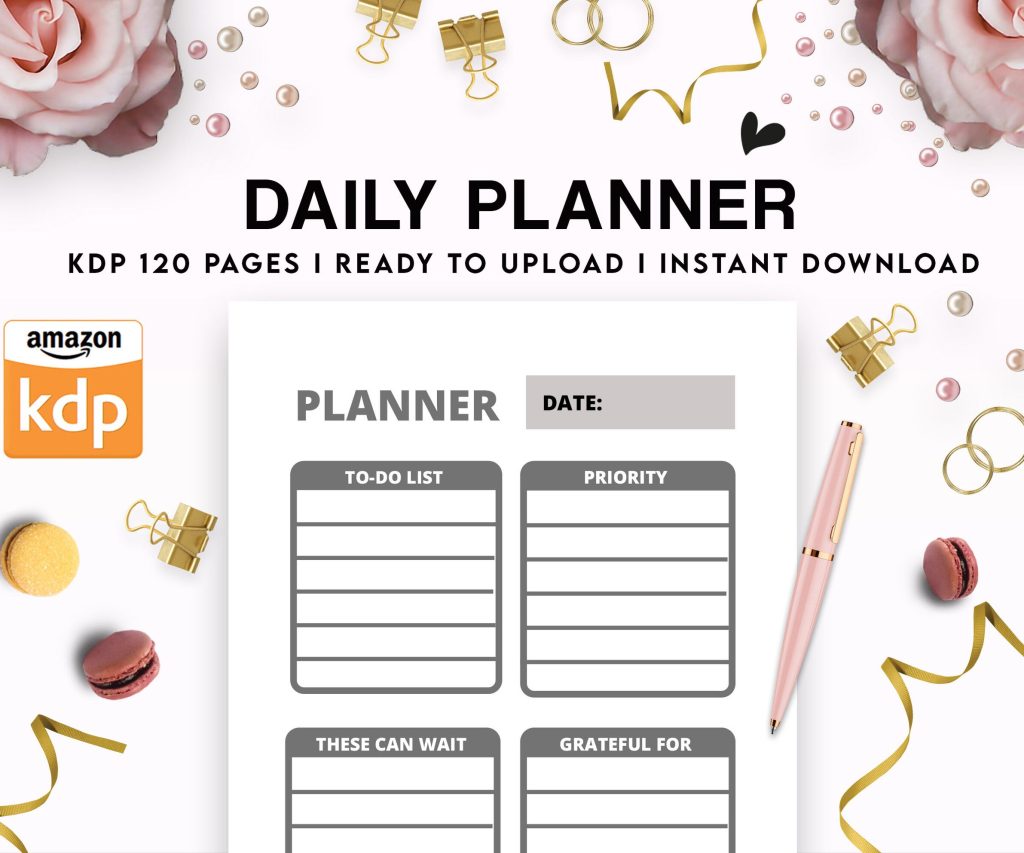 Daily Planner Diary : Diary Planners for Everyday Productivity, 120 pages, 6×9 Size | Amazon KDP Interior
1 × $0.00
Daily Planner Diary : Diary Planners for Everyday Productivity, 120 pages, 6×9 Size | Amazon KDP Interior
1 × $0.00
Subtotal: $0.00
 Daily Planner Diary : Diary Planners for Everyday Productivity, 120 pages, 6×9 Size | Amazon KDP Interior
1 × $0.00
Daily Planner Diary : Diary Planners for Everyday Productivity, 120 pages, 6×9 Size | Amazon KDP Interior
1 × $0.00 Subtotal: $0.00
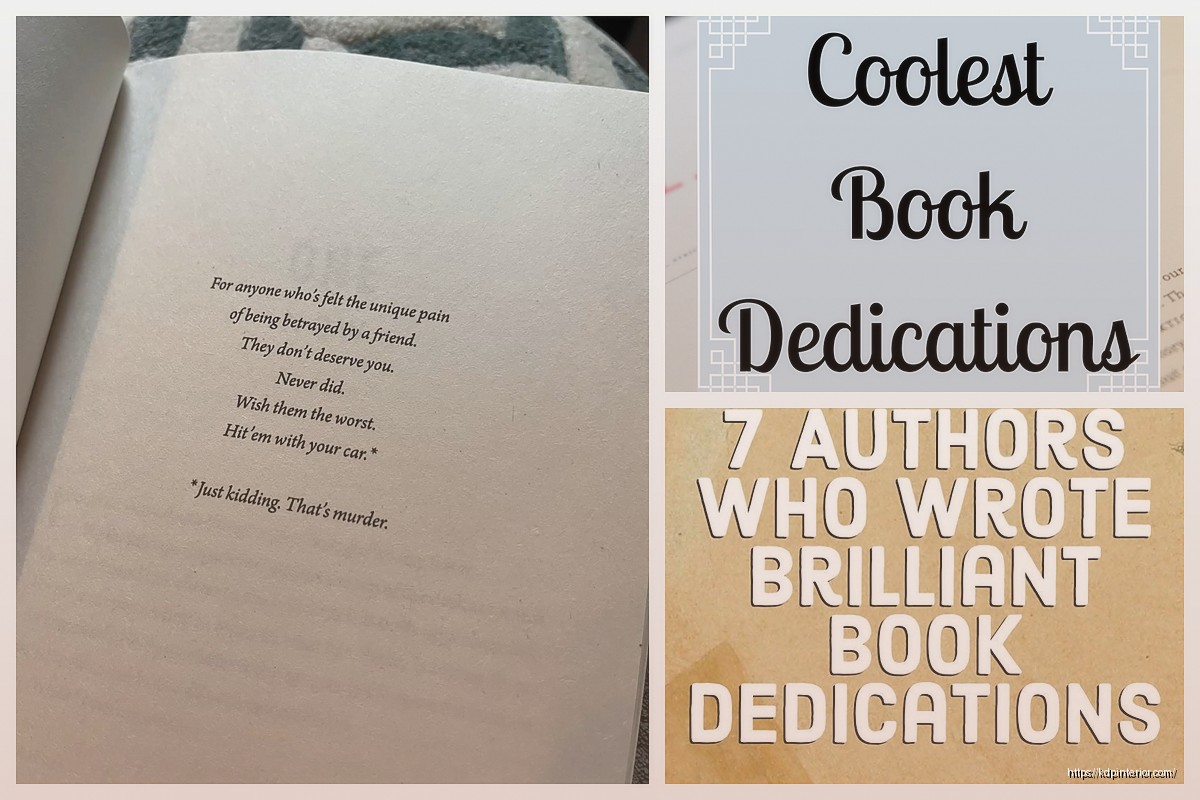
Okay so book dedications are one of those things people overthink way too much but also… they kinda matter? Like I spent my first year publishing on KDP just skipping them entirely because I thought low-content books didn’t need them, and honestly for journals and planners you can totally get away with that. But once I started doing more story-driven stuff and even some of my higher-end niche books, I realized dedications actually add this legitimacy that readers notice.
So here’s the deal with placement first – dedication goes right after the title page and copyright page. Sometimes before copyright if you want, but I usually go title > copyright > dedication > table of contents if there is one. For ebooks this matters less because people just skip around anyway, but for paperbacks it’s that front matter flow people expect.
The length thing is where people get weird. You don’t need a whole page of flowery prose unless you’re writing like… literary fiction or a memoir. Most of my dedications are one line. Maybe two. I’ve seen indie authors write entire paragraphs and it just feels self-indulgent? Your reader bought the book for the content, not to read your life story in the dedication.
Simple examples that work every single time:
For [name]
That’s it. Clean. Classic. I use this format probably 60% of the time.
For my kids, who remind me why I do this
To Sarah – thanks for believing in this project when I didn’t
For anyone who’s ever felt like giving up
See how that last one opens it up? I do this sometimes with self-help or motivational content. You’re dedicating to your target reader basically, which sounds cheesy but it actually connects.
Oh and another thing – you can get specific with humor if that matches your brand. I published a book about productivity hacks last year and dedicated it “To coffee, my real co-author” and people mentioned it in reviews. Not many, but like three people, which for a dedication is pretty good engagement honestly.
Wait I forgot to mention – you can totally skip names if you want privacy. I never put my actual family members’ names in dedications anymore after I had this whole thing where… okay so I dedicated a book to my sister using her full name, and she got annoyed because she didn’t want to be associated with the topic (it was about decluttering and she’s kinda messy, long story). Now I just use “my sister” or “my family” or whatever. Learned that lesson.
Here’s some category-specific approaches that I’ve tested:
You can get more creative here. Literary readers expect it.
For the dreamers and the night owls
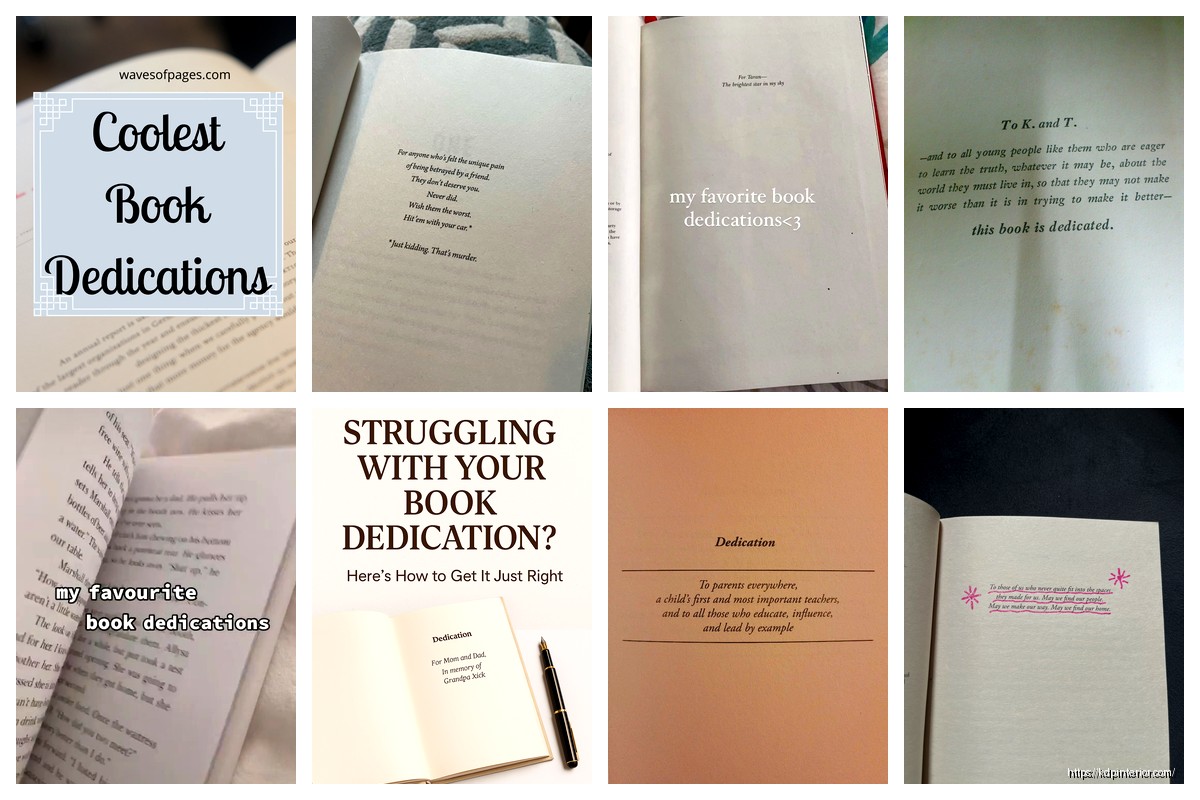
To my grandmother, who told me stories before I could read them
For everyone who’s ever loved someone they couldn’t have
That last one is very romance-novel energy but it works. I don’t write much fiction myself but I’ve consulted with enough fiction authors to know they go more emotional with dedications.
Keep it professional but warm. I usually tie it to the book’s purpose.
For the entrepreneurs who refuse to quit
To my mentor, who taught me everything this book contains
For my readers – your questions inspired every chapter
Honestly? Skip it or keep it super minimal. Like if I’m publishing a gratitude journal, sometimes I’ll do:
For you – may this book bring clarity and peace
But most of my planners and logbooks have no dedication at all. It’s not expected in that space.
Parents and grandparents buy these, so you can go sentimental:
For every child who’s ever wondered ‘what if?’
To my daughter Emma, my favorite storyteller
For the little ones who believe in magic
This is gonna sound weird but I actually A/B tested dedications once. Same book, two versions, different dedications in the Look Inside preview. The one with a dedication got like… maybe 2% better conversion? It’s not huge but it’s something. The dedication was “For anyone starting over” on a book about career changes. I think it helped people feel seen or whatever.
One mistake I see constantly – people making dedications too insider-y. Like “For J.K., remember that night in Portland? This wouldn’t exist without you.” Cool story but your reader has zero context and it just feels exclusionary. If you’re gonna reference something specific, give enough detail that strangers understand the sentiment.
Center-align your dedication. Always. Left-aligned dedications look like you forgot to format them properly.
Use italics sparingly – maybe for a book title if you’re referencing one, but don’t italicize the whole dedication. Just looks odd.
Keep it on its own page. Don’t cram it onto the copyright page to save space. That’s amateur hour.
Font size can match your body text or go slightly larger. I usually do 12pt when my body text is 11pt. Nothing crazy.
Oh wait, here’s something I literally just figured out last month – if you’re doing a series, you can have different dedications for each book OR do a series-wide dedication in book one and then skip it in the rest. I’ve done both. The series-wide approach in book one is like:
This series is dedicated to my father, who taught me to finish what I start
Then books 2-5 have no dedication. Saves space and avoids repetition.
My cat just knocked over my water bottle, hang on…
Okay back. So another approach that works surprisingly well – the anti-dedication? Sounds pretentious but hear me out:
This book is not dedicated to anyone. It exists for itself.
I used this exactly once on a philosophical essay collection and it matched the tone perfectly. Would I do it on a romance novel? Hell no. But for the right project it’s got impact.
Don’t apologize in your dedication. I’ve seen “For my family, sorry I spent so much time writing instead of with you” and it’s just… no. Keep it positive.
Don’t use the dedication to settle scores. “For everyone who said I’d never make it – look at me now” is bitter energy and readers pick up on it.
Don’t make it an advertisement. “Dedicated to my other books, available on Amazon” is tacky as hell. I’ve seen it. Don’t do it.
Don’t overthink the grammar. “For mom and dad” vs “For Mom and Dad” – capitalize if they’re used as names, don’t if they’re common nouns. But honestly most readers won’t even notice.
You can dedicate to more than one person/group but keep it concise:
For my wife, my anchor, and my kids, my inspiration
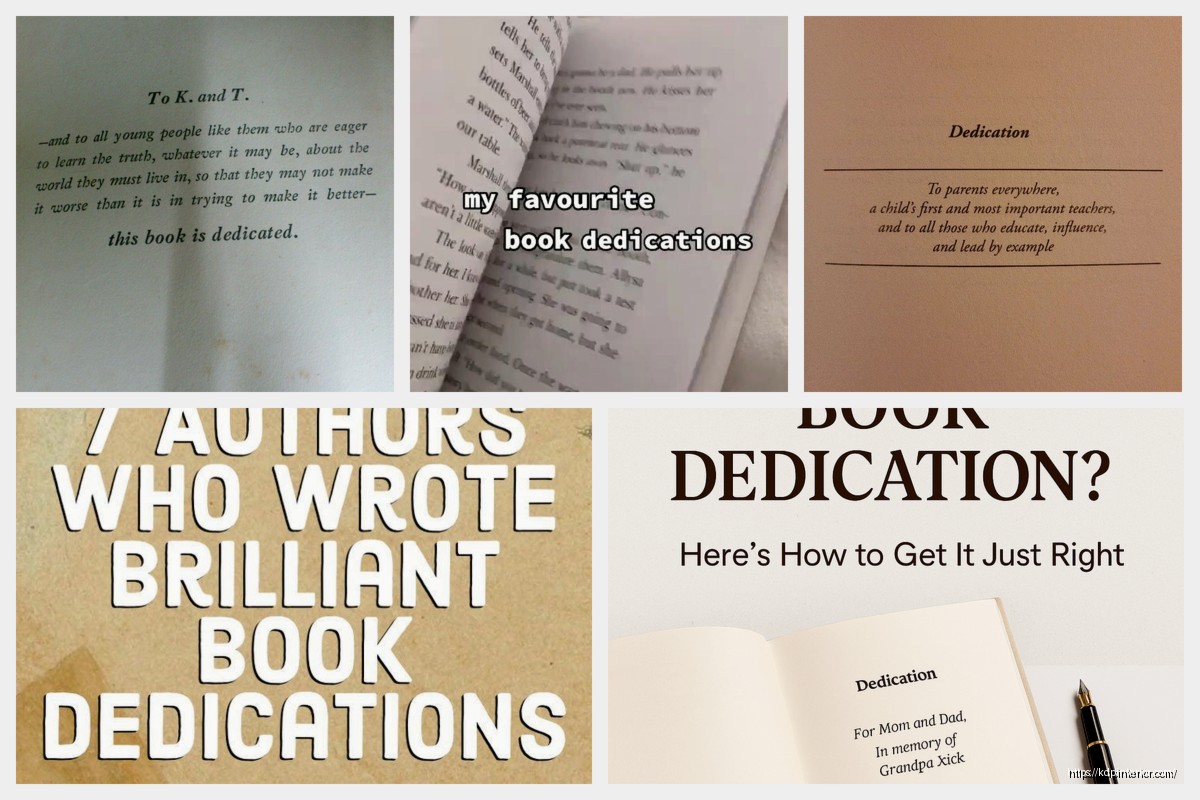
To the teachers who encouraged me and the doubters who motivated me
I try not to go beyond two groups though. Three or more starts feeling like an acceptance speech.
If your book’s tone is humorous, the dedication can be too:
For my dog, who sat through every draft without complaint
Dedicated to whoever invented coffee – you’re the real hero
For my kids, who provide endless material by doing exactly what I tell them not to
I used that last one in a parenting humor book and it got mentioned in like five reviews. People appreciate when front matter matches the book’s voice.
Real talk though – dedications are optional. I’ve published probably 40-50 books without them and it’s never hurt sales. They’re a nice touch when you have someone meaningful to acknowledge or when it reinforces your book’s theme, but if you’re staring at a blank page thinking “I have no idea what to write here,” just skip it. Spend that mental energy on your actual content or your marketing instead.
The dedication I’m probably most proud of was in a book about overcoming creative blocks: “For everyone who’s ever stared at a blank page and felt like a fraud – you’re not alone.” Short, targeted, empathetic. Got mentioned in a podcast review which was cool.
Last thing – you can change dedications between editions if you want. I’ve updated dedications when doing second editions of books, especially if circumstances changed. Just don’t do it constantly or for trivial reasons. But like if you dedicated a book to your mentor and they passed away, you might want to adjust the wording to honor their memory differently.
Anyway that’s basically everything I know about dedications after seven years of doing this. They’re simple, they’re personal, and they’re way less important than your actual book content but also… they add that human touch that reminds readers there’s a real person behind the words. Use them when they feel right, skip them when they don’t, and never spend more than ten minutes writing one because that’s just procrastination disguised as work.
DISCOVER OUR FREE BEST SELLING PRODUCTS
Editable Canva Lined Journal: Express Your Thoughts – KDP Template
Lined Pages Journal 120 pages Ready to Upload PDF Commercial Use KDP Template 6×9 8.5×11 5×8 for Notebooks, Diaries, Low Content
Lined Pages Journal 120 pages Ready to Upload PDF Commercial Use KDP Template 6×9 8.5×11 5×8 for Notebooks, Diaries, Low Content
Cute Dogs Coloring Book for Kids | Activity Book | KDP Ready-To-Upload
Daily Planner Diary : Diary Planners for Everyday Productivity, 120 pages, 6×9 Size | Amazon KDP Interior
Wolf Coloring KDP interior For Adults, Used as Low Content Book, PDF Template Ready To Upload COMMERCIAL Use 8.5×11"
Coloring Animals Head Book for Kids, Perfect for ages 2-4, 4-8 | 8.5×11 PDF
Printable Blank Comic Book Pages PDF : Create Your Own Comics – 3 Available Sizes
Notes KDP interior Ready To Upload, Sizes 8.5×11 6×9 5×8 inch PDF FILE Used as Amazon KDP Paperback Low Content Book, journal, Notebook, Planner, COMMERCIAL Use
Black Lined Journal: 120 Pages of Black Lined Paper Perfect for Journaling, KDP Notebook Template – 6×9
Student Planner Journal 120 pages Ready to Upload PDF Commercial Use KDP Template 6×9" 8.5×11" for Low Content book
Recipe Journal Template – Editable Recipe Book Template, 120 Pages – Amazon KDP Interior