-
×
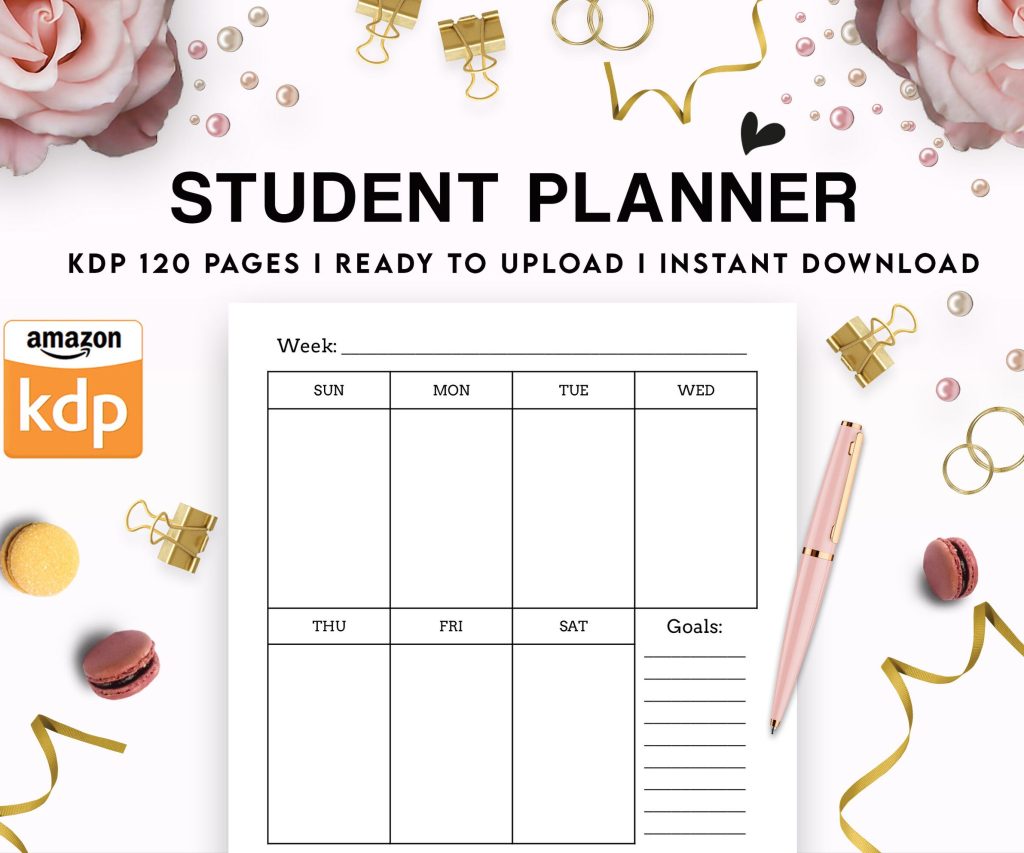 Student Planner Journal 120 pages Ready to Upload PDF Commercial Use KDP Template 6x9" 8.5x11" for Low Content book
1 × $0.00
Student Planner Journal 120 pages Ready to Upload PDF Commercial Use KDP Template 6x9" 8.5x11" for Low Content book
1 × $0.00
Subtotal: $0.00

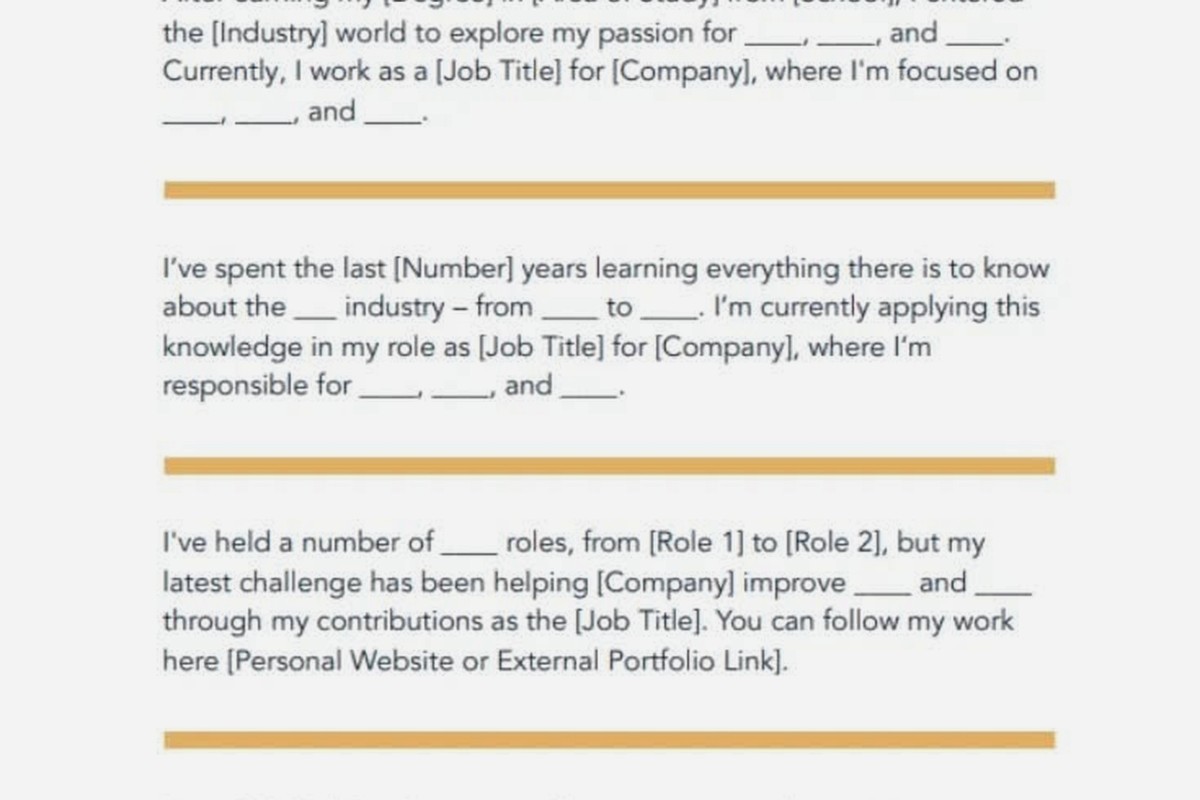
Okay so I was literally just working on this for a client last night while my dog kept barking at absolutely nothing, and biography examples are way more useful than people think when you’re trying to figure out your own book structure.
The thing is, most people overthink biographies. They think it needs to be this massive 400-page thing, but honestly some of the best bios I’ve seen are like 150 words max. Here’s what I mean:
Professional Bio (Third Person): “Sarah Chen is a pediatric nurse with over 15 years of experience in children’s hospitals across the Midwest. She graduated from Northwestern University in 2008 and has since specialized in neonatal care. When she’s not at the hospital, Sarah volunteers with local literacy programs and spends time with her three rescue dogs.”
See how that hits the key points without being dramatic? Experience, credentials, current work, personal touch at the end. That’s your formula right there.
Author Bio (First Person): “I’ve been writing thriller novels since my first book flopped spectacularly in 2015. Took me three more tries to figure out what readers actually wanted. Now I write about complicated women doing questionable things, usually involving corporate espionage or art theft. I live in Portland with too many plants and a cat who judges my plot choices.”
The first-person approach works better for creative fields because it sounds like you’re actually talking to someone instead of reading a resume.
Wait I should mention the longer format because that’s probably what you’re actually asking about. When I’m ghostwriting bios for clients or helping them structure their KDP books, here’s the framework that never fails:
Start with where they were born and like… the stuff that actually shaped them. Not just “born in 1975” but the context. Was it a small town? Big city? Military family that moved every two years?
Example: “Marcus Rodriguez was born in El Paso, Texas in 1982, the youngest of four kids in a family where everyone spoke Spanish at home and English everywhere else. His dad worked construction, his mom cleaned houses, and Marcus spent most afternoons at his abuela’s watching telenovelas and learning to cook tamales from scratch.”
That tells you way more than just dates and places. You get economic background, cultural identity, family dynamics—all the stuff that matters when you’re trying to understand someone’s path.
Every good biography has that moment where things shifted. Sometimes it’s obvious like a major event, sometimes it’s subtle. I was watching this documentary last week about chefs and literally every single one had a “the moment I knew” story.
For a business bio: “Everything changed during her junior year of college when the startup she’d joined as an intern got acquired for $40 million. She watched the founders—both college dropouts younger than her—walk away with enough money to never work again. That’s when she realized traditional career paths weren’t the only option.”
For a personal memoir: “The diagnosis came on a Tuesday. Stage 2 breast cancer at 34, no family history, perfectly healthy according to every doctor she’d ever seen. In the waiting room afterwards, scrolling through her phone in shock, she started a blog. Not because she thought anyone would read it, but because she needed somewhere to put all the fear and anger and confusion.”
This is where people get stuck because it’s just… life happening. Jobs, relationships, moves, failures, small wins. The trick is picking the details that build toward something.
I always tell clients to think about it like you’re explaining to a friend why you ended up where you are now. You wouldn’t list every job, right? You’d say “so I bounced around tech startups for a few years, learned a ton about marketing but hated the culture, then randomly got offered this position at a nonprofit that paid way less but actually felt meaningful.”
End with where they are now and what they’re working on. This part should feel current, like you could bump into them tomorrow and this would still be accurate.
Okay so funny story, I once had a client who wanted their bio written in like five different styles for different platforms and it was actually a genius idea because your LinkedIn bio should NOT sound like your Instagram bio.
These are dry on purpose. Credentials first, publications, research areas, current position.
“Dr. Jennifer Wu is Associate Professor of Environmental Science at UC Berkeley. She holds a PhD from MIT (2012) and has published over 40 peer-reviewed articles on climate adaptation strategies. Her research focuses on urban resilience and coastal ecosystem restoration. Dr. Wu serves on the advisory board for the National Ocean Council and consults for various governmental agencies on climate policy.”
No personality, just facts. That’s what academic contexts want.
Way more room to play here. These can be quirky, honest about failures, show actual personality.
“I’ve had 17 different jobs, lived in 8 cities, and been fired twice (both times deserved, honestly). Somewhere in there I started painting. Turns out spending your childhood moving every two years because your dad kept getting transferred makes you really good at observing new places quickly. Now I paint urban landscapes, specifically the in-between spaces—parking lots at dawn, empty subway platforms, the view from cheap hotel windows.”
See how that tells a story instead of just listing credentials?
These need to build credibility while still being readable. Nobody wants to read a boring CEO bio but they also need to trust you know what you’re doing.
“After spending a decade in corporate finance watching companies waste millions on inefficient processes, I started my own consulting firm in 2016. We’ve since worked with over 200 businesses to streamline operations and cut costs by an average of 30%. I’m a CPA, have an MBA from Wharton, and I’m obsessed with finding simple solutions to complicated problems. Based in Chicago, working with clients everywhere.”
This is gonna sound obvious but I see people mess this up constantly:
Oh and another thing—these are the errors I see all the time when editing:
Being Too Humble: Especially women, I notice this constantly. “I sort of helped with” instead of “I led.” Own your accomplishments, nobody else is gonna do it for you.
Including Irrelevant Details: Your high school achievements don’t matter if you’re 45. Unless there’s a specific reason it’s relevant, skip the old stuff.
Writing in Weird Tense: Pick past or present and stick with it. “She graduated in 2010 and works as a lawyer” is fine. “She graduated in 2010 and worked as a lawyer” makes it sound like she doesn’t anymore.
Being Too Vague: “Experienced professional” tells me nothing. “15 years managing restaurant operations for chains with 50+ locations” tells me everything.
“Mr. Jackson has taught 8th grade English at Roosevelt Middle School since 2015. He believes every student can become a strong writer with the right support and probably too much encouragement. Before teaching, he worked as a journalist and still thinks teaching students to question sources is the most important thing he does. He coaches the debate team and runs the creative writing club. His classroom is always too cold and he apologizes for that daily.”
“Started my first business at 19—a lawn care company that failed within six months because I hate waking up early and didn’t think that through. Second business at 23 lasted two years before I ran out of money. Third time’s the charm, right? My marketing agency is now seven years old, employs 12 people, and I finally figured out you gotta actually enjoy what you do. We specialize in helping local businesses dominate their Google rankings without spending a fortune.”
“Dr. Patel is a board-certified cardiologist practicing at Memorial Hospital. She completed her residency at Johns Hopkins and her fellowship in interventional cardiology at Cleveland Clinic. She sees patients four days a week and spends one day doing research on minimally invasive cardiac procedures. Dr. Patel is accepting new patients and speaks English, Hindi, and Gujarati.”
This depends entirely on context and I wish people would stop asking for a magic number but here’s my general breakdown:
Wait I forgot to mention—if you’re writing your own bio, write it in third person even if it feels weird. You can always convert it to first person later but having that third-person version is useful for so many situations.
The end of a bio is where you can get a little personal without making it weird. These work:
Example endings: “Lives in Austin with her husband and two kids who are constantly interrupting her Zoom calls.”
Or: “When he’s not in the lab, you can find him rock climbing, usually falling off things.”
Or: “Based in Seattle, addicted to coffee in a city that enables that problem.”
The key is keeping it light. Nobody needs your whole life story in the last sentence, just something that makes you seem like an actual human.
Set a reminder to update your bio every six months because I guarantee it’s outdated right now. New job? Update it. New certification? Update it. Changed cities? Update it. Your bio should never be more than a year old anywhere it appears publicly.
Also keep multiple versions saved somewhere. I have a folder with like 8 different lengths and styles of my own bio ready to copy-paste depending on what I need. Saves so much time.
DISCOVER OUR FREE BEST SELLING PRODUCTS
Editable Canva Lined Journal: Express Your Thoughts – KDP Template
Lined Pages Journal 120 pages Ready to Upload PDF Commercial Use KDP Template 6×9 8.5×11 5×8 for Notebooks, Diaries, Low Content
Lined Pages Journal 120 pages Ready to Upload PDF Commercial Use KDP Template 6×9 8.5×11 5×8 for Notebooks, Diaries, Low Content
Cute Dogs Coloring Book for Kids | Activity Book | KDP Ready-To-Upload
Daily Planner Diary : Diary Planners for Everyday Productivity, 120 pages, 6×9 Size | Amazon KDP Interior
Wolf Coloring KDP interior For Adults, Used as Low Content Book, PDF Template Ready To Upload COMMERCIAL Use 8.5×11"
Coloring Animals Head Book for Kids, Perfect for ages 2-4, 4-8 | 8.5×11 PDF
Printable Blank Comic Book Pages PDF : Create Your Own Comics – 3 Available Sizes
Notes KDP interior Ready To Upload, Sizes 8.5×11 6×9 5×8 inch PDF FILE Used as Amazon KDP Paperback Low Content Book, journal, Notebook, Planner, COMMERCIAL Use
Black Lined Journal: 120 Pages of Black Lined Paper Perfect for Journaling, KDP Notebook Template – 6×9
Student Planner Journal 120 pages Ready to Upload PDF Commercial Use KDP Template 6×9" 8.5×11" for Low Content book
Recipe Journal Template – Editable Recipe Book Template, 120 Pages – Amazon KDP Interior